
 Photo by FT
Photo credit: U.S. Army
- Army officials said financial readiness strengthens mission readiness by reducing stress and supporting long-term stability.
- Lt. Col. Anthony Osborne encouraged service members to invest at least 15% of their income in a TSP or IRA while avoiding unnecessary debt.
- The presentation highlighted financial literacy, retirement planning, and estate planning as essential components of long-term military preparedness.
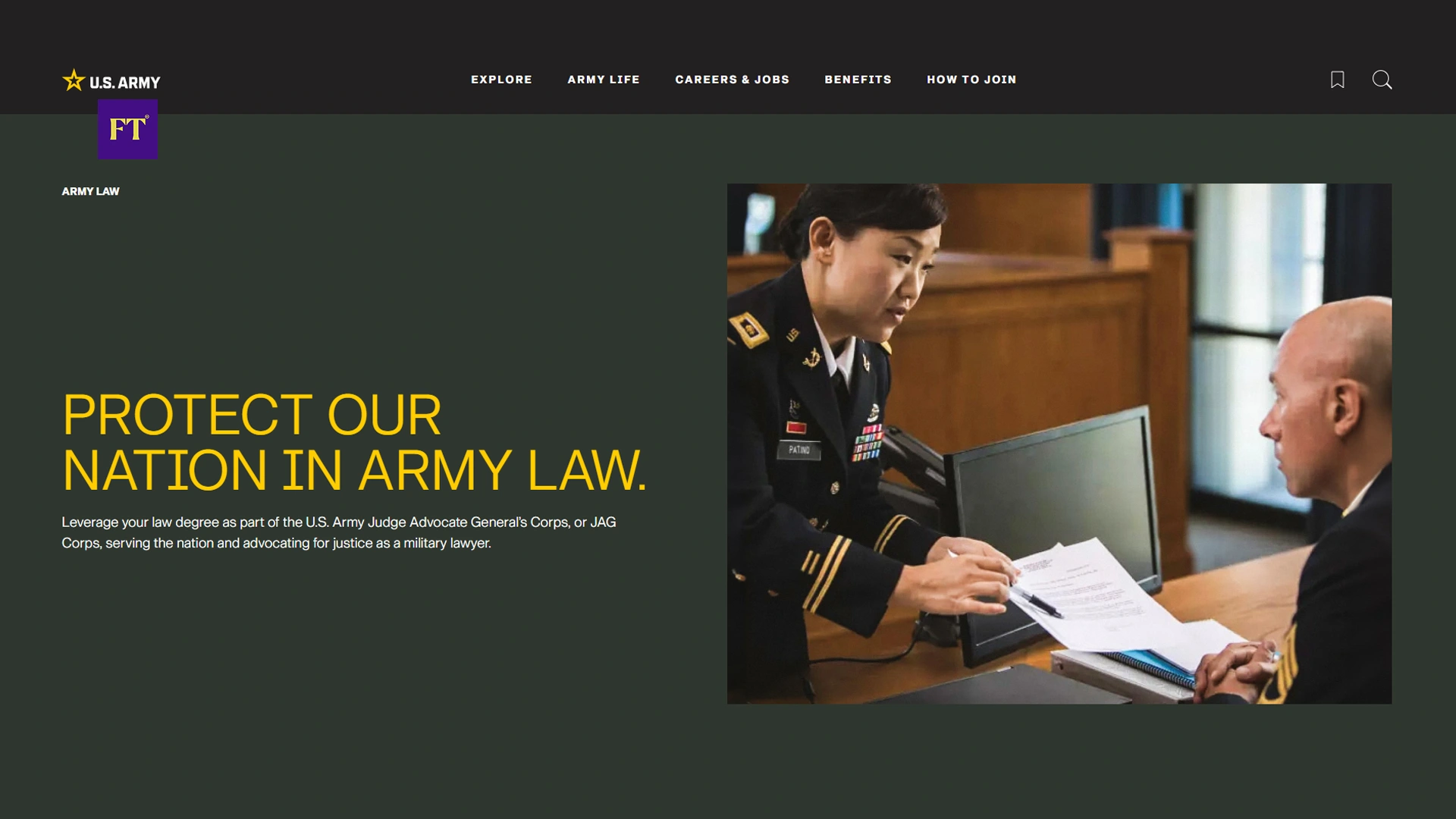
LANDSTUHL, Germany, August 4, 2026 — Financial readiness plays a significant role in supporting mission readiness, according to military officials who spoke during a Wealth Building and Estate Planning presentation held July 29 at Landstuhl Regional Medical Center’s Heaton Auditorium. The session brought together active-duty service members and civilian employees to discuss financial planning, retirement savings, and estate planning as part of long-term personal and professional preparedness. Organizers noted that sound financial habits can help military personnel reduce financial stress while maintaining greater focus on their duties.
U.S. Army Lt. Col. Anthony Osborne, command judge advocate for Medical Readiness Command, Europe, said his experience over two decades as a Judge Advocate General officer has shown that military personnel receive extensive mandatory training but comparatively little education on personal finance. He said greater understanding of retirement planning, investment strategies, and wealth creation can help service members make informed financial decisions throughout their careers. According to Osborne, stronger financial knowledge can be developed through education, planning, and individual commitment.
Financial Literacy Supports Long-Term Stability
Military officials noted that financial challenges at home can affect many aspects of a service member's life, including personal well-being, family relationships, workplace performance, and deployment readiness. Financial planning specialists have long maintained that unresolved debt and financial uncertainty create distractions that may reduce focus on military responsibilities while increasing stress for service members and their families.
Research from the RAND Corporation supports those observations, finding that financial strain is associated with lower well-being, higher stress levels, and reduced readiness among military personnel. The study also identified financial literacy as an important factor in strengthening long-term financial stability. Officials said understanding budgeting, saving, debt management, and retirement planning can help military families establish stronger financial foundations throughout their careers.

Photo credit: U.S. Army
Retirement Planning and Responsible Investing
During the presentation, Osborne highlighted the financial burden created by consumer debt, noting that the average American, including many service members, carries roughly $8,000 in credit card balances. He explained that compound interest has the potential to generate substantial long-term wealth when investments grow over time, yet many individuals instead spend significant amounts paying interest on consumer debt. Osborne encouraged attendees to prioritize retirement savings through the Thrift Savings Plan (TSP) and Individual Retirement Accounts (IRAs) while reducing unnecessary borrowing.
He advised service members to live within their means, avoid unnecessary debt, and contribute consistently to retirement accounts. Osborne recommended investing at least 15% of their income in a TSP or IRA and gradually increasing that percentage to the extent their budget reasonably supports. He also encouraged participants to establish measurable financial goals, review their finances regularly, consult knowledgeable financial professionals when appropriate, and create long-term plans that support sustained financial security.
Wealth Extends Beyond Financial Assets
Osborne said wealth should not be measured solely by financial resources. He described lasting wealth as including financial security alongside mental wellness, physical health, meaningful relationships, spiritual well-being, and quality time with family. Developing each of these areas, he said, contributes to a stronger and more balanced life while supporting long-term personal success.
Military officials concluded that financial readiness is developed through consistent daily financial decisions rather than one-time actions. They encouraged service members and their families to make use of available Army financial education resources, strengthen responsible spending and saving habits, and seek professional guidance when necessary. According to Osborne, stronger financial habits reduce personal stress, support family stability, and allow military personnel to remain prepared for future assignments and responsibilities.
He advised service members to live within their means, avoid unnecessary debt, and contribute consistently to retirement accounts. Osborne recommended investing at least 15% of their income in a TSP or IRA and gradually increasing that percentage to the extent their budget reasonably supports.
Related Topics

Emerging Markets Rely on Online Resources as Financial Planners Remain Scarce
Technology is bridging gaps in financial literacy, giving people in emerging markets the tools to make informed investment decisions despite fewer financial advisors.
By

What Family Financial Planning Means for Long-Term Household Money Decisions
Careful planning makes it possible for families to give timely support without jeopardizing future financial stability.
By

Bankers Nationwide Mark Teach Children to Save Day
Financial literacy fuels the American Dream, and initiatives like Teach Children to Save help equip the next generation with the knowledge to unlock both opportunity and long-term financial security.
By
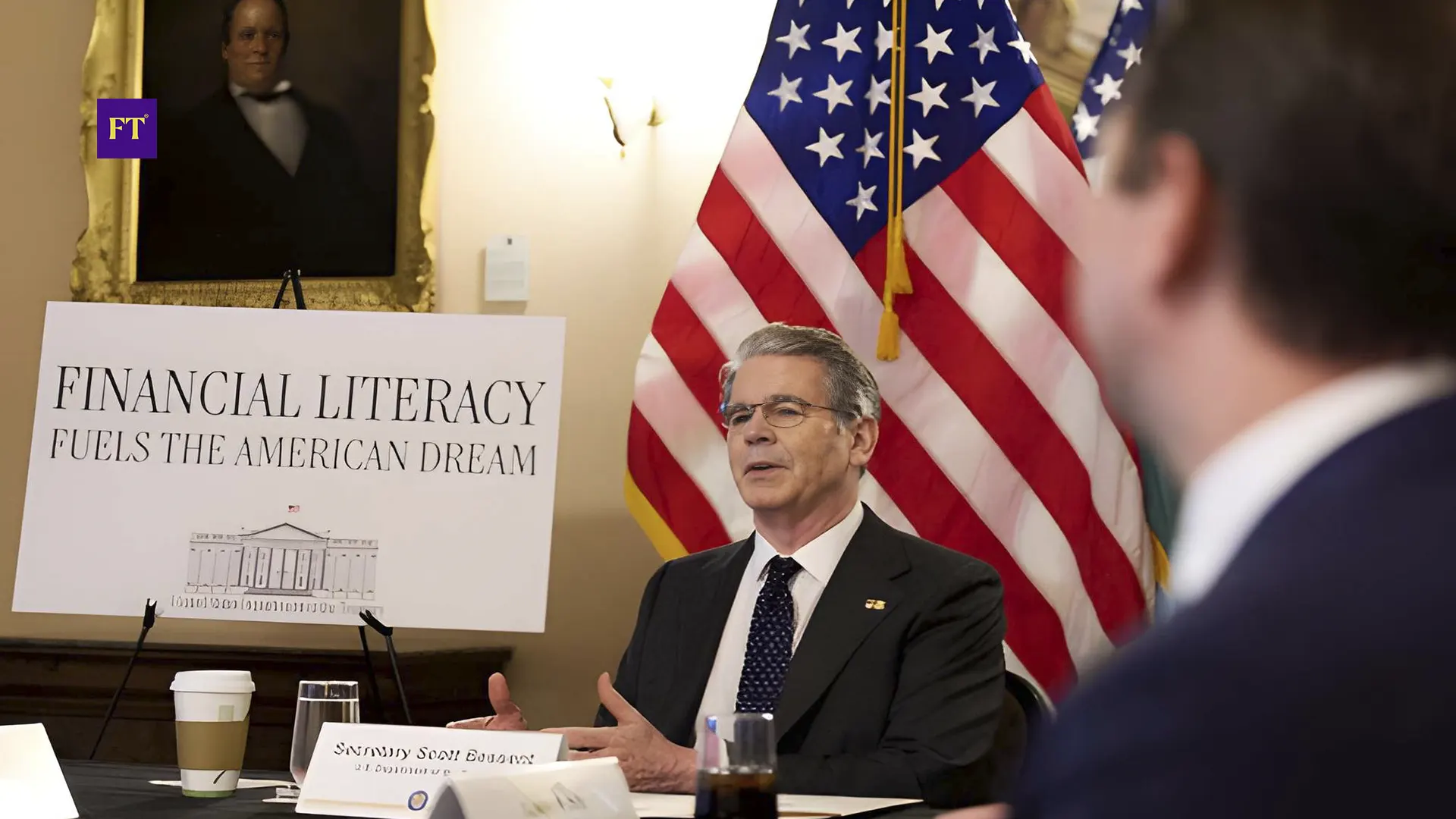
Financial Literacy Slides to 10-Year Low in the United States
Women answered 44% of the questions correctly, while men achieved an average score of 50%. Generation Z adults between the ages of 18 and 29 recorded the lowest score of any age group, answering only 38% of questions correctly.
By