
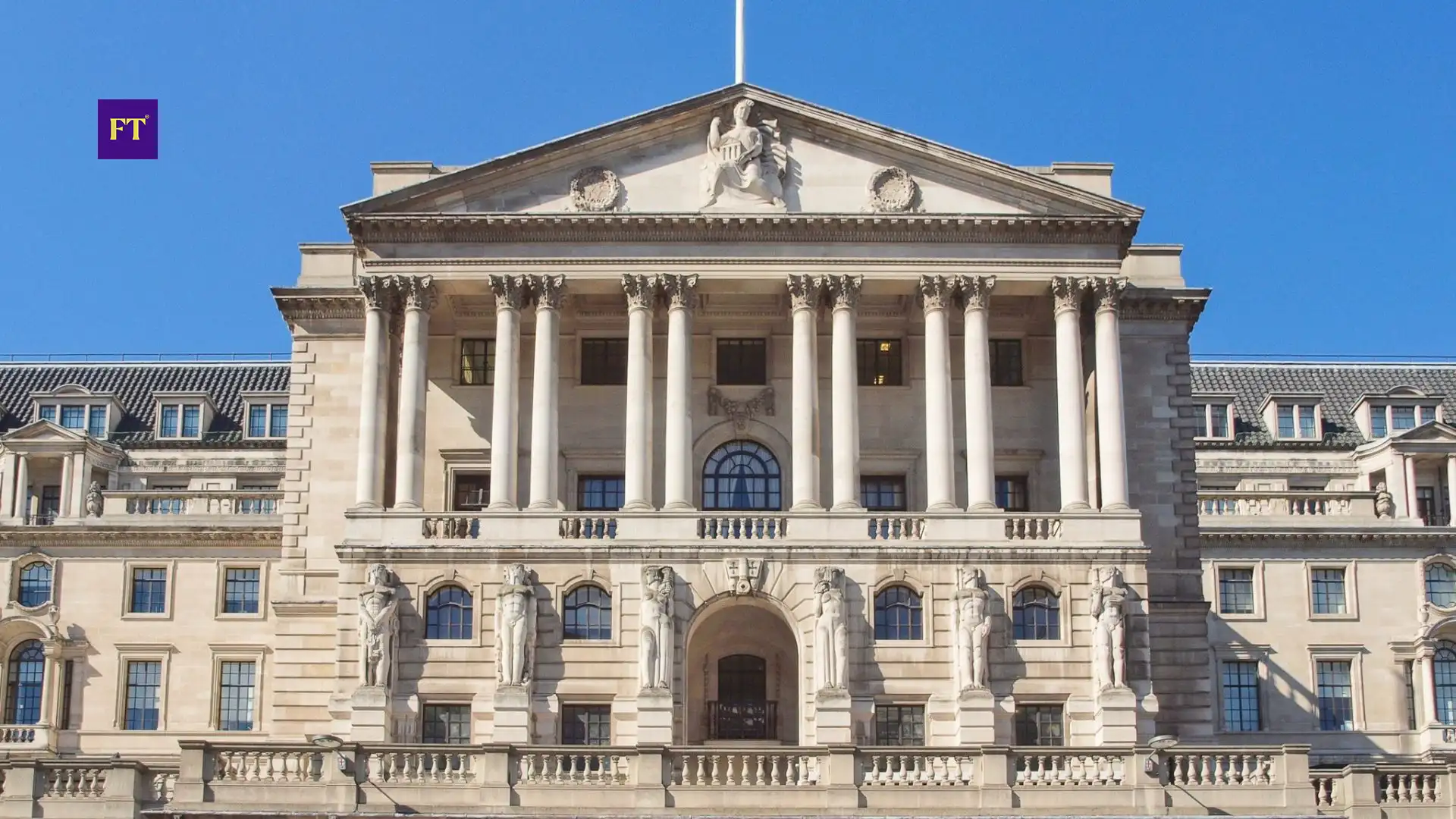
 Photo by FT
Photo credit: Pexels
- Mortgage rates remained above 6%, with the average 30-year purchase rate at 7.217% and the 15-year rate at 6.44%.
- Mortgage rates can move differently from the federal funds rate because they are influenced more directly by longer-term Treasury yields.
- Refinance and purchase mortgage rates remain well above pandemic-era lows, with future rates dependent on inflation, Treasury yields and Federal Reserve policy.
NEW YORK, Sept. 18, 2026 — The average 30-year purchase mortgage rate fell to 7.217% from 7.257% a day earlier, while borrowing costs remained above 6% as Treasury yields stayed elevated.
The 15-year purchase mortgage rate was 6.44%, according to Zillow. The average 30-year refinance rate was 7.323%, while the 15-year refinance rate was 6.413%.
Mortgage Rates Dip After Fed Rate Hike
Mortgage rates fell slightly after the Federal Reserve raised its benchmark interest rate. The move shows why mortgage rates do not necessarily move in the same direction as the federal funds rate from one day to the next.
The federal funds rate is the interest rate the Fed targets for overnight borrowing between banks. Mortgage rates are influenced more directly by longer-term borrowing costs in the bond market, particularly the yield on the 10-year U.S. Treasury note. The Fed influences mortgage-rate trends through monetary policy but does not directly set the rates offered by mortgage lenders.
Treasury Yields Keep Mortgage Rates Elevated
The 10-year Treasury yield reached its highest level since 2007 this week as investors assessed inflation, oil prices and the outlook for Federal Reserve policy. Mortgage rates tend to move with longer-term Treasury yields because both reflect expectations for inflation, interest rates and economic growth.
Oil prices have added to inflation concerns. Brent crude rose above $100 a barrel in September as the conflict involving Iran continued. Higher energy costs can increase transportation and manufacturing costs and can contribute to higher prices for goods and services. Higher inflation can lead investors to expect higher interest rates, which can raise Treasury yields and mortgage rates.

Photo credit: Pexels
Purchase and Refinance Rates Remain Above 6%
The latest purchase mortgage rates included 7.216% for a 20-year fixed mortgage, 6.423% for a 10-year fixed mortgage, 7.046% for a seven-year adjustable-rate mortgage and 6.238% for a five-year ARM. The three-year ARM rate was 8.25%. Jumbo mortgages were at 7.046%, while VA and FHA mortgage rates were 6.482% and 5.99%, respectively.
For refinancing, the average 20-year fixed rate was 7.338%, and the 10-year fixed rate was 6.425%. Refinance rates generally follow the same market trends as purchase mortgage rates, although the rates can differ because lenders use different pricing for refinance loans and purchase loans.
Mortgage Rates Remain Above Pandemic Lows
Mortgage rates remain far above the levels recorded during the pandemic. The average 30-year fixed mortgage rate fell to 2.65% in January 2021, according to Freddie Mac data cited by U.S. News. The rate later rose to nearly 8% in October 2023. Freddie Mac's historical data shows a median mortgage rate of 7.23% since the agency began collecting the data in 1971.
The 30-year mortgage rate was near 7% in the latest data. Future mortgage rates will depend on inflation, Treasury yields, economic data, and Federal Reserve policy. A change in the federal funds rate does not automatically produce an equal change in mortgage rates.
Mortgage rates are influenced more directly by longer-term borrowing costs in the bond market, particularly the yield on the 10-year U.S. Treasury note. The Fed influences mortgage-rate trends through monetary policy but does not directly set the rates offered by mortgage lenders.
Related Topics

Emerging Markets Rely on Online Resources as Financial Planners Remain Scarce
Technology is bridging gaps in financial literacy, giving people in emerging markets the tools to make informed investment decisions despite fewer financial advisors.
By

What Family Financial Planning Means for Long-Term Household Money Decisions
Careful planning makes it possible for families to give timely support without jeopardizing future financial stability.
By

Bankers Nationwide Mark Teach Children to Save Day
Financial literacy fuels the American Dream, and initiatives like Teach Children to Save help equip the next generation with the knowledge to unlock both opportunity and long-term financial security.
By

Financial Literacy Slides to 10-Year Low in the United States
Women answered 44% of the questions correctly, while men achieved an average score of 50%. Generation Z adults between the ages of 18 and 29 recorded the lowest score of any age group, answering only 38% of questions correctly.
By