
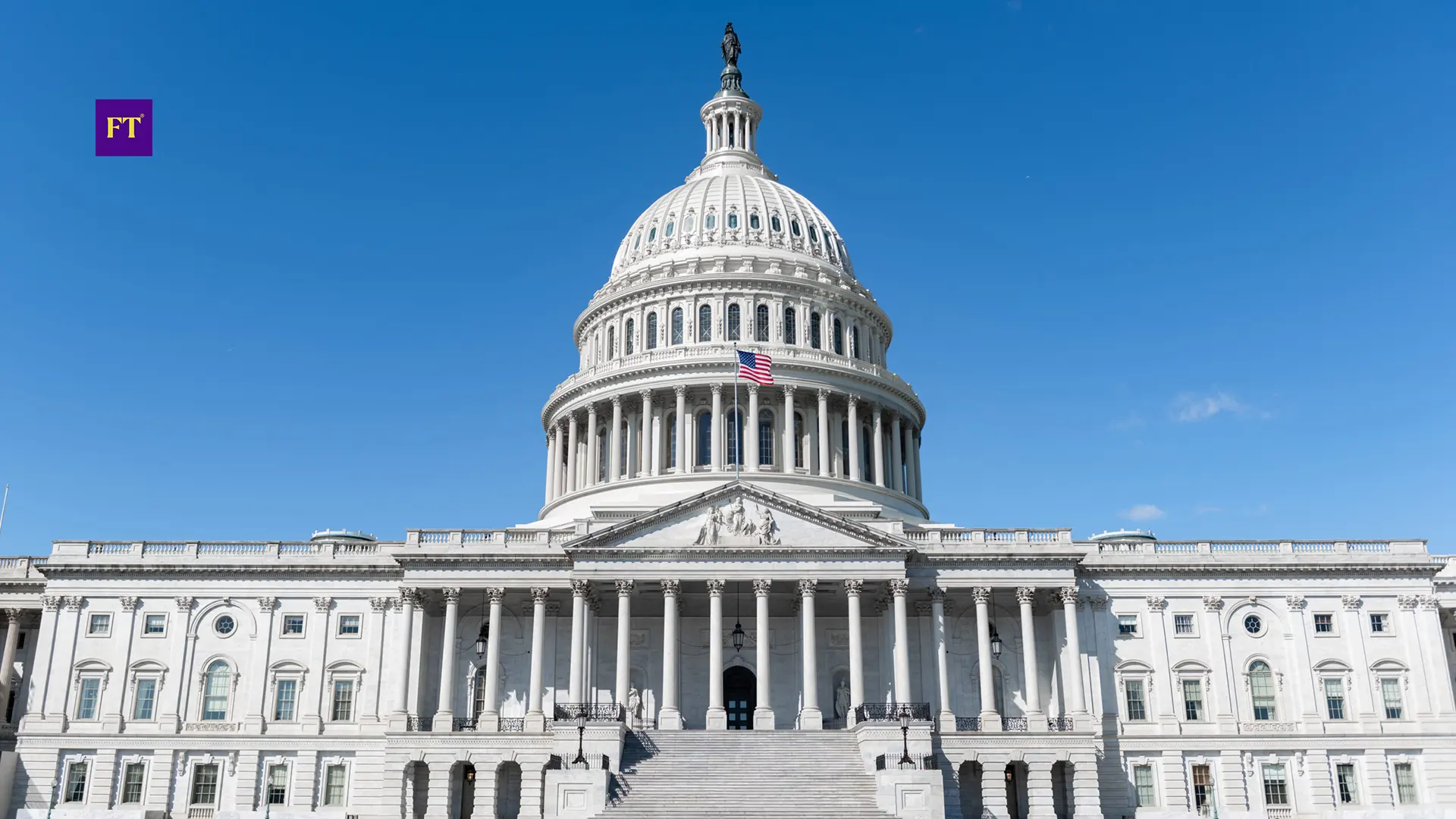
 Photo by FT
- The Federal Insurance Office, or FIO, monitors the U.S. insurance sector to complement state regulation and inform federal policy.
- It tracks systemic risks, insurer solvency, market trends, and coverage gaps to identify vulnerabilities affecting financial stability.
- FIO advises policymakers and engages internationally to align U.S. strategies with global developments while supporting equitable access.
WASHINGTON, Feb. 13, 2026 — The United States has long relied on state regulators to oversee insurance, with each jurisdiction managing policies, pricing, solvency, and consumer protections. While this system addresses local needs effectively, nationwide or global developments can expose gaps that exceed state oversight. To address these challenges, Congress established the Federal Insurance Office, or FIO, in 2010 within the U.S. Department of the Treasury under the Dodd‑Frank Wall Street Reform and Consumer Protection Act. The office does not regulate insurance directly but provides research, analysis, and guidance that connects sector developments to broader federal financial considerations.
Foundation and Role
The Federal Insurance Office serves as the federal focal point for monitoring the insurance industry, analyzing emerging risks, and advising policymakers. Its mandate excludes health insurance, most long-term care coverage, and federal crop insurance, focusing instead on life insurance, property and casualty coverage, annuities, and reinsurance. By examining these areas, FIO identifies trends, vulnerabilities, and developments that may not be apparent at the state level. The director, appointed by the Secretary of the Treasury, coordinates research and reporting that informs both domestic and international insurance decisions, complementing state oversight.
Monitoring Risks and Sector Activity
FIO actively observes the insurance sector to detect vulnerabilities that could affect financial stability. The office gathers information from insurers and state regulators to analyze solvency, coverage availability, pricing, and other factors that influence sector stability. It also examines exposure to natural disasters, economic shocks, and other extraordinary events that could affect insurers’ ability to meet obligations.
Systemic Risks and Solvency Analysis: One of FIO’s key responsibilities is identifying risks that could affect the broader financial system. This includes monitoring insurers’ capital positions, potential exposure to catastrophic events, and emerging vulnerabilities such as cyber threats or climate-related losses. Insights from solvency analysis also inform recommendations to the Financial Stability Oversight Council, which can designate certain insurers for enhanced federal supervision.
Tracking Market Behavior and Sector Activity: Beyond systemic risks, FIO examines patterns in sector activity, including product availability, pricing trends, and changes in consumer participation. By tracking these developments, the office identifies areas where coverage may be limited or where market conditions could reduce accessibility for underserved populations. This analysis allows federal decision-makers to consider policies that maintain sector stability while supporting equitable access to insurance.
Advising Policymakers
FIO produces detailed reports, briefings, and recommendations for the Treasury, Congress, and other federal agencies. These analyses cover regulatory gaps, trends in insurer behavior, and challenges facing consumers, particularly in underserved communities. By highlighting these issues, the office provides evidence that informs policy decisions aimed at ensuring affordability, access, and sector resilience without supplanting state authority.
Reports from FIO include insights on insurer financial health, sector developments, and potential vulnerabilities that could influence the broader financial system. By providing a structured overview of sector activity, the office equips lawmakers and federal officials to make informed decisions that support both stability and consumer protection.
International Engagement
Insurance markets are global, and FIO represents the United States in international discussions on regulatory standards and cross-border activity. FIO collaborates with foreign regulators and global organizations to coordinate prudential practices, reduce duplicative reporting requirements, and support U.S. insurers operating abroad. Participation in these forums allows the office to monitor international developments that may affect domestic insurers and ensures policymakers consider global trends when shaping national strategies.
By maintaining these connections, the office ensures that federal officials remain informed about external factors influencing the sector, from cross-border solvency concerns to international regulatory changes, helping to maintain a resilient and competitive insurance system.
Access and Coverage Gaps
FIO examines how insurance coverage reaches underserved populations, including low-income and minority communities. The office studies coverage gaps, affordability challenges, and participation barriers, providing insights that inform federal and state discussions.
These analyses help identify opportunities to improve access and support equitable participation in the insurance sector. By monitoring where coverage is limited, the office provides policymakers with actionable data to consider adjustments that increase availability while supporting sector stability.
Connecting Analysis to Policy
The Federal Insurance Office functions as a bridge between state oversight and federal policy. Its research and reporting track domestic and international sector activity, emerging risks, and consumer access issues. By analyzing trends in solvency, coverage, and participation, FIO provides policymakers with the perspective necessary to respond to sector developments and maintain financial resilience.
Through monitoring, reporting, and advising, the Federal Insurance Office ensures that federal decision-makers remain aware of risks and developments in the insurance sector. Its presence reinforces the importance of federal insight alongside state regulation, helping sustain both stability and access across the country.
Insurance markets are global, and FIO represents the United States in international discussions on regulatory standards and cross-border activity.