
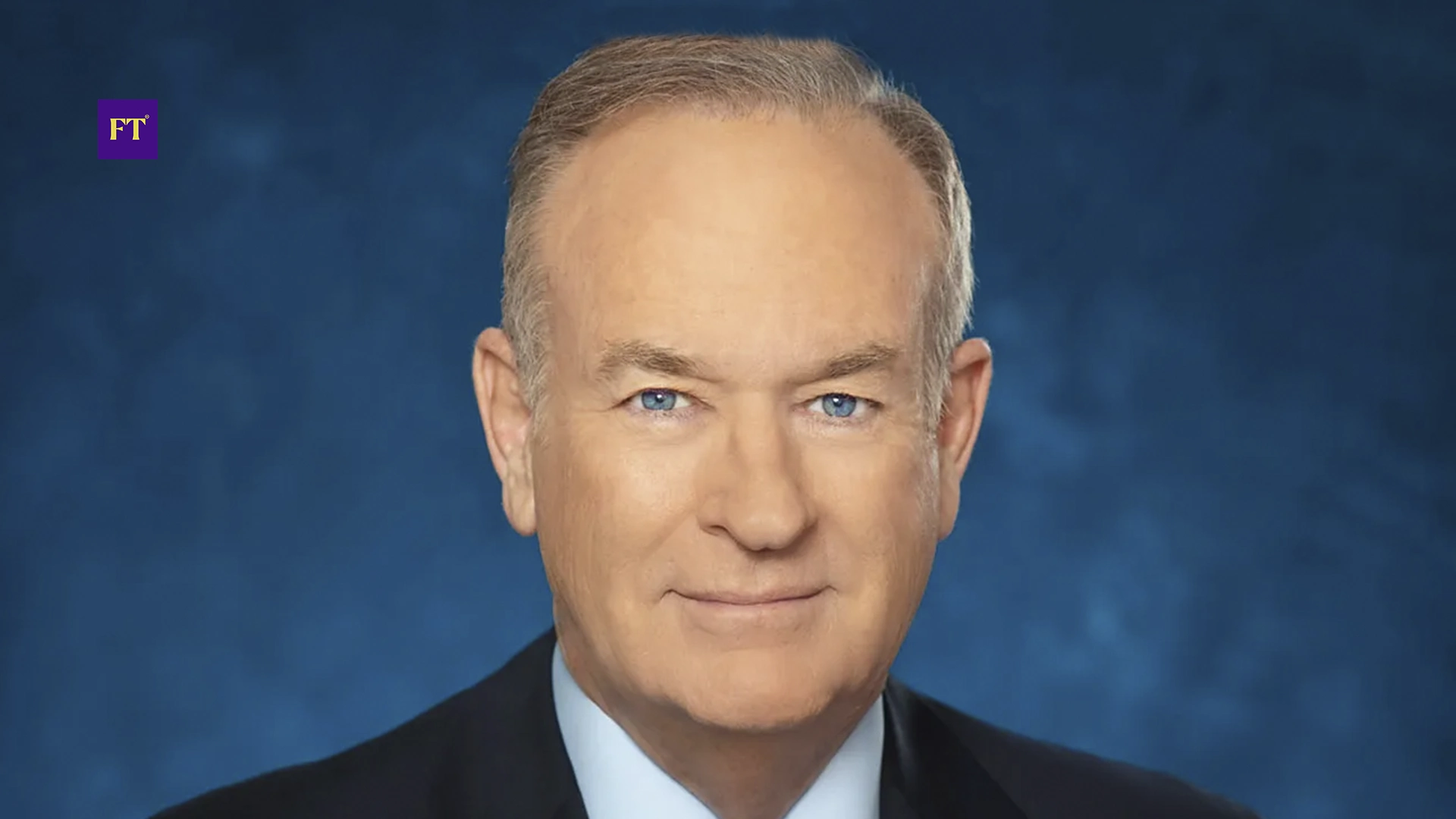
 Photo by FT
Bill O’Reilly
- Bill O’Reilly has raised concerns about younger generations’ financial habits, encouraging greater participation in saving, investing, and long-term wealth planning.
- Younger Americans face financial challenges linked to housing costs, student debt, inflation, and changing work patterns, increasing the focus on financial education.
- The discussion highlights the importance of investment knowledge, money management skills, and preparing for future financial needs.
WASHINGTON, July 7, 2026 — Bill O’Reilly has raised concerns about the financial habits of younger generations, arguing that many young Americans are not taking enough steps to build wealth and prepare for their financial futures. The former television host said younger people need to become more involved in investing, saving, and learning how money works. During recent comments on personal finance, O’Reilly criticized what he views as a lack of participation among many Americans in financial markets and investment vehicles. He pointed to the importance of building assets over time and encouraged younger generations to consider long-term financial planning.
His remarks reflect a wider discussion about financial literacy among younger adults, many of whom face challenges involving housing costs, student debt, inflation, and changing employment patterns. Financial experts have also highlighted the need for stronger education around saving, investing, credit management, and retirement planning. The conversation has gained attention as younger workers seek ways to manage income, handle expenses, and prepare for future financial needs.
Younger Americans Face New Financial Challenges
Many young adults entering the workforce today encounter financial obstacles that differ from those experienced by previous generations. Higher education expenses, housing affordability concerns, and everyday living costs have changed the way younger workers manage their income. At the same time, access to financial information has expanded through digital platforms, online courses, and investment applications. However, access to information does not always translate into effective money management, with many individuals still facing difficulties with budgeting, building emergency savings, and understanding investment choices.
O’Reilly’s comments focus on personal responsibility and the need for individuals to take greater ownership of their financial decisions. He has previously spoken about teaching younger people the value of work, earning money, and understanding financial discipline. Financial literacy advocates often argue that early education can help young adults make informed decisions before they develop costly financial habits. Understanding concepts such as compound growth, diversification, taxes, and retirement accounts can influence financial outcomes over decades.
Investing Participation Remains a Major Discussion
One of O’Reilly’s main points involved participation in investments. He criticized the number of Americans who do not own stocks, mutual funds, retirement accounts, or similar financial assets. He argued that younger people should consider investing as part of building long-term wealth. For many younger adults, investing can appear intimidating because of market volatility and limited personal experience. However, financial professionals often encourage individuals to understand basic investment principles and begin as soon as possible.
Small contributions made over long periods can grow through compounding. Retirement accounts, employer-sponsored plans, and diversified investment portfolios are often viewed as tools that can help individuals prepare for future financial needs. The discussion also highlights a gap between earning income and building wealth. A salary alone does not always create financial security. Saving portions of income, managing expenses, and making informed investment decisions are important parts of long-term financial planning.
Financial Education Gains Greater Attention
The debate surrounding youth finances has increased attention toward financial education. Schools, employers, and financial institutions have expanded efforts to teach younger generations about money management. Financial education programs often cover topics such as credit scores, debt management, budgeting, investing, and retirement preparation. Supporters argue that these lessons should begin early because financial decisions made during young adulthood can affect future opportunities.
O’Reilly has previously written about issues affecting young people, including money, work, and personal responsibility. His book The O’Reilly Factor for Kids included discussions about money habits and the importance of understanding how earning and spending work. While opinions differ on the causes behind financial struggles among younger generations, there is broad agreement that financial knowledge plays an important role in personal economic outcomes.
Debate Continues Over Responsibility and Economic Reality
O’Reilly’s comments have contributed to a larger conversation about the balance between individual responsibility and economic circumstances. Critics of his perspective argue that younger generations face financial challenges created by factors beyond personal choices, including housing costs, education expenses, and wage growth. Supporters argue that developing financial discipline remains important regardless of economic conditions and believe learning about investing, saving, and responsible spending can help individuals improve their financial situation over time.
The discussion reflects a wider question facing younger Americans: how to build financial stability during a period marked by economic uncertainty and changing expectations. As younger generations continue entering adulthood, financial education and access to investment opportunities will remain important topics. O’Reilly’s message focuses on encouraging young people to participate more actively in managing their money through investing, saving, and improving financial knowledge.
One of O’Reilly’s main points involved participation in investments. He criticized the number of Americans who do not own stocks, mutual funds, retirement accounts, or similar financial assets. He argued that younger people should consider investing as part of building long-term wealth.
Related Topics

How Smart Devices Help You Understand Money and Reach Your Financial Goals
Smart devices give you a clear picture of your spending, energy use, and health costs, making it easier to stay on top of your money and build savings.
By

Money and Mindset Go Hand in Hand
Financial success isn’t just about the money you earn. It’s about the way you think, plan, and act with it every day.
By

Why Half of Americans Struggle with Everyday Money
Many adults lack the basic skills needed to budget, save, and plan for the future, leaving them unprepared for life’s financial challenges.
By

Money & Mindset: 6 Steps to Create a Positive Mindset
A positive mindset does not eliminate challenges. It equips you to respond to them with clarity and purpose.
By