
 Photo by FT
Photo credit: Pexels
- FLEC’s 2026 strategy identifies four priorities: youth financial capability, saving and investing, digital financial literacy, and scams and fraud education.
- The commission recommends financial education tailored to different life stages, timely instruction, hands-on learning and program evaluation.
- The strategy was developed through consultation with federal agencies, public input, and independent research on financial literacy and education.
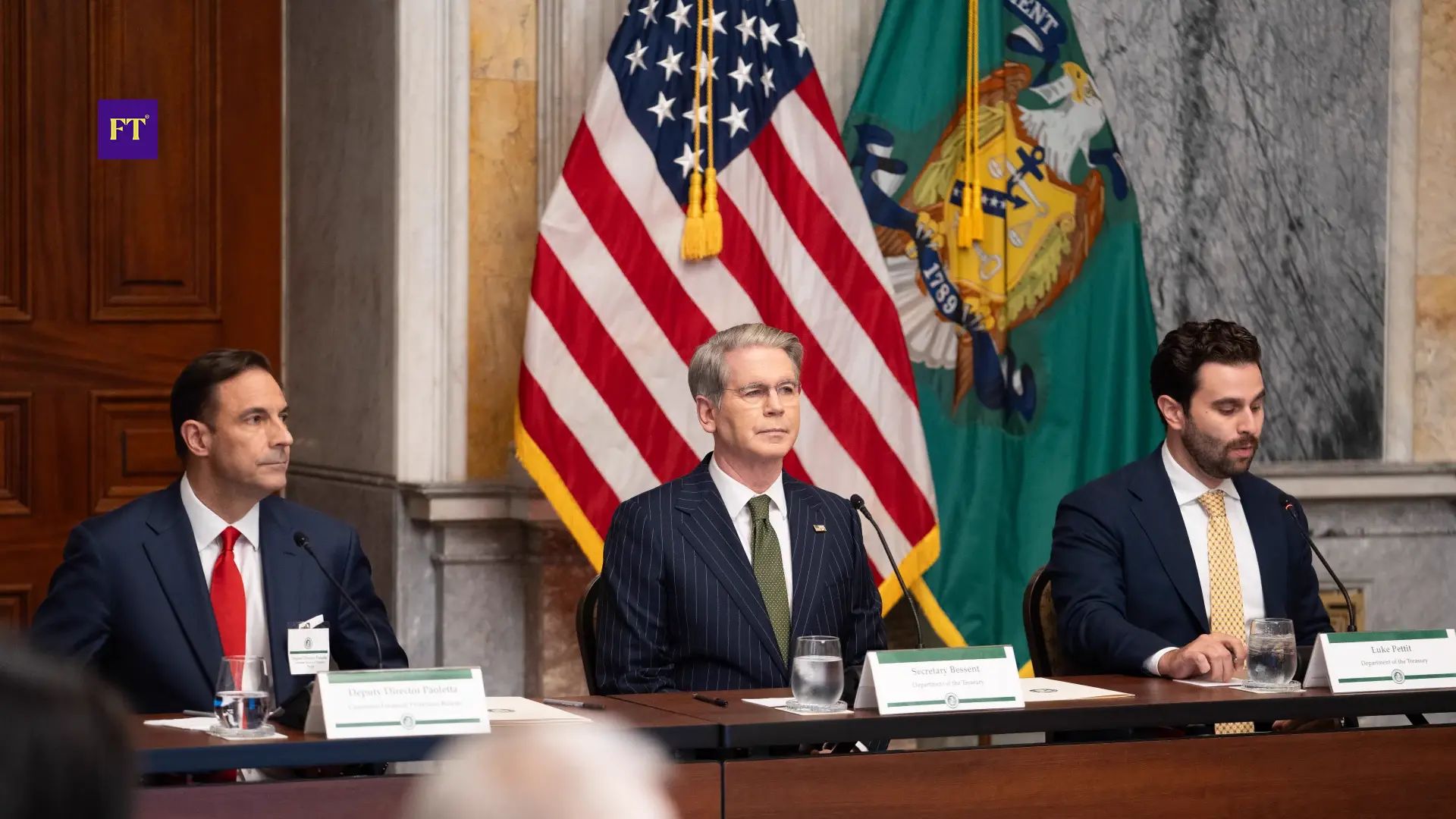
WASHINGTON, Nov. 10, 2026 — The Financial Literacy and Education Commission (FLEC) has released an updated national strategy identifying four priorities for financial education — youth financial capability, saving and investing, digital financial literacy, and scams and fraud education.
Chaired by the Treasury Secretary, FLEC comprises the heads of 23 federal agencies and the White House Domestic Policy Council. The strategy outlines the commission’s priorities and recommended practices for financial education across the United States.
Treasury Secretary Scott Bessent called the strategy “a roadmap to help every American build the knowledge and skills needed to achieve financial security for themselves and their families.” He also cited the administration’s Trump Accounts initiative, which encourages saving and investing among children.
Four Priorities
The first priority, youth financial capability, calls for basic financial skills to be taught during childhood and young adulthood. The commission identifies early financial education as a way to improve financial outcomes for the next generation.
The second priority focuses on saving and investing. The strategy calls for greater consumer knowledge of savings and investment options, including new vehicles such as Trump Accounts for children. It links this education to financial security and the ability to pursue personal financial goals.
Digital financial literacy is the third priority. The commission seeks to improve consumers’ knowledge and decision-making skills when using digital financial products and services, with particular attention to safe use.
The fourth priority addresses scams and fraud education. The strategy calls for consumer education that enables people to recognize and avoid fraudulent schemes and understand how to mitigate potential losses.
Read Secretary Bessent’s letter as Chair of the Financial Literacy and Education Commission available here.
Read the full 2026 Update to the U.S. National Strategy for Financial Literacy available here.
Financial Education
The strategy also outlines practices for financial education. The commission recommends providing timely instruction when people face financial decisions, tailoring education to different life stages and personal circumstances, and reinforcing concepts over time.
Other recommendations include experiential and hands-on learning, high-quality instruction, and evaluation of education programs. These recommendations address how financial education can be adapted to the decisions people face at different stages of life.

Photo credit: Pexels
Federal Agencies
Congress established FLEC under the Financial Literacy and Education Improvement Act, Title V of the Fair and Accurate Credit Transactions Act of 2003. The commission provides a forum for its member agencies to coordinate financial literacy and education initiatives and improve access to financial services.
FLEC member agencies produce consumer education materials, conduct public outreach, coordinate research, and develop financial education policies. The commission developed the 2026 strategy after consulting its member agencies, considering public input, and reviewing independent research on financial literacy and education.
The first priority, youth financial capability, calls for basic financial skills to be taught during childhood and young adulthood. The commission identifies early financial education as a way to improve financial outcomes for the next generation.
Related Topics

How Smart Devices Help You Understand Money and Reach Your Financial Goals
Smart devices give you a clear picture of your spending, energy use, and health costs, making it easier to stay on top of your money and build savings.
By

Money and Mindset Go Hand in Hand
Financial success isn’t just about the money you earn. It’s about the way you think, plan, and act with it every day.
By

Why Half of Americans Struggle with Everyday Money
Many adults lack the basic skills needed to budget, save, and plan for the future, leaving them unprepared for life’s financial challenges.
By

Money & Mindset: 6 Steps to Create a Positive Mindset
A positive mindset does not eliminate challenges. It equips you to respond to them with clarity and purpose.
By