
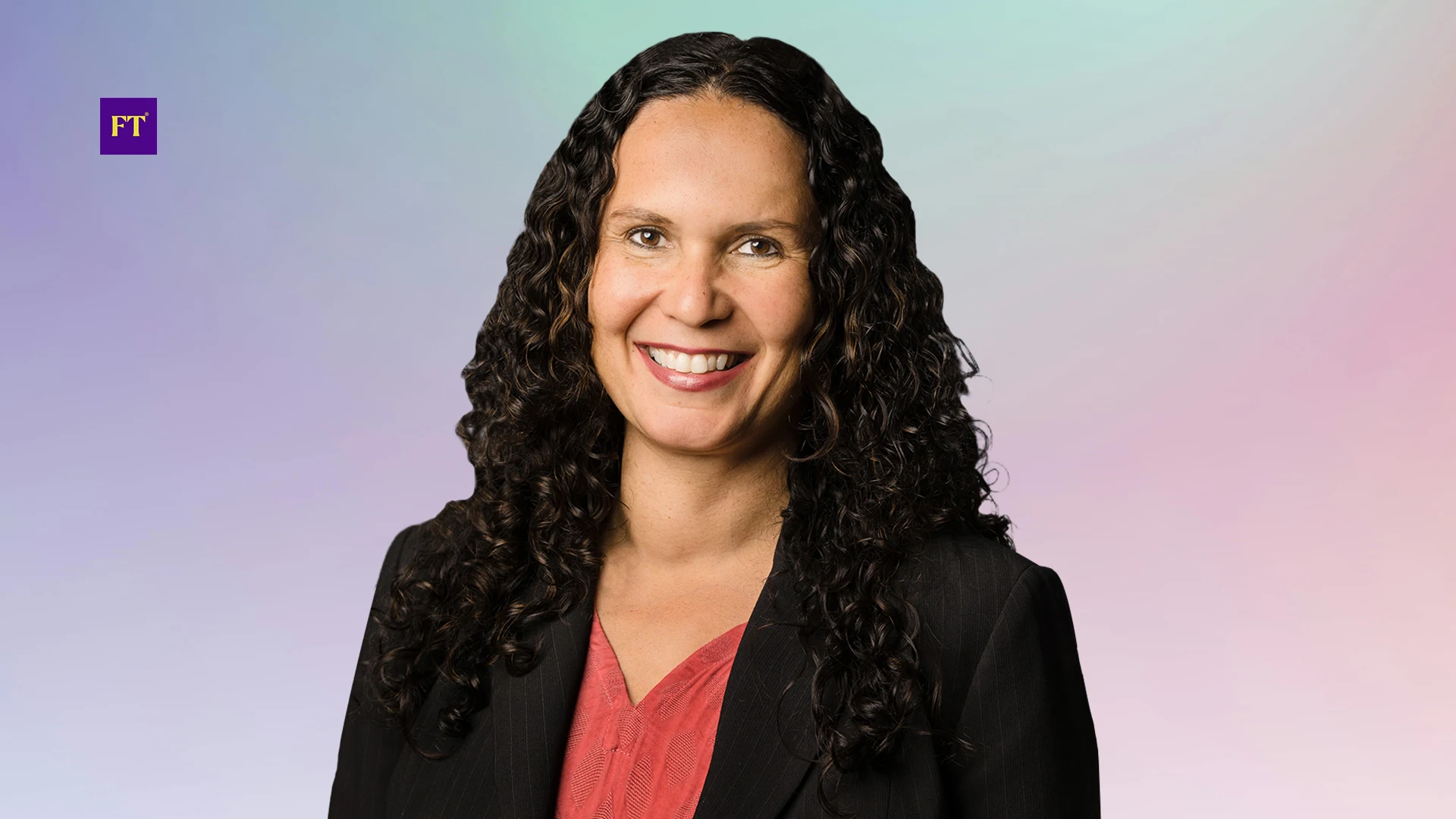
 Photo by FT
Tanya Van Court, Founder & CEO, Goalsetter
For decades, financial literacy has been treated as an optional add-on rather than a fundamental life skill. Students graduate with a working knowledge of algebra and literature, yet many step into adulthood without understanding how interest accumulates, how credit works, or why saving early matters. This disconnect is no longer a minor oversight but a structural weakness that shapes long-term economic outcomes.
The absence of financial education in earlier years leaves young adults vulnerable to costly mistakes. Credit card debt, poor saving habits, and limited exposure to investing are not random patterns. They reflect a system that delays essential money lessons until it is already too late. By the time individuals recognize the consequences, habits have already formed, making course correction far more difficult than it needs to be.
This is where Goalsetter introduces a different model. Rather than treating financial literacy as a last-minute intervention, it embeds it within the school experience itself. The idea is to teach students how money works while they are still forming their worldview. Timing, in this case, is everything, and early exposure changes how financial decisions are made later in life.
Making Money Lessons Engaging Rather Than Abstract
One of the longstanding challenges in financial education is engagement. Traditional methods often rely on static textbooks or theoretical explanations that fail to resonate with younger audiences. Concepts such as compound interest or risk management can feel distant when detached from real-life relevance, leaving students disengaged before the lesson even begins.
Goalsetter addresses this through interactivity. Lessons move beyond passive instruction and into participation. Students engage with quizzes, simulations, and activities that mirror real financial decisions. Instead of being told what saving means, they encounter scenarios where choices lead to outcomes, making the learning process more immediate and memorable.
This shift changes how information is absorbed. When learners experience the results of their decisions, the lessons stay with them. Mistakes become part of the learning cycle rather than something to avoid, allowing students to experiment without real-world consequences.
Equally important is how the platform fits within existing school systems. Teachers are not required to rebuild their lesson plans from scratch. The structure aligns with educational standards while remaining adaptable to different classroom styles. This reduces friction for educators and makes consistent adoption more realistic across schools.
Bridging Inequality Through Early Exposure
Financial literacy is not evenly distributed, and this imbalance begins early. Students from households where money is openly discussed often receive informal education long before entering the workforce, while others lack the same exposure. This disparity shapes financial outcomes in ways that extend far beyond the classroom.
Introducing structured financial education in schools creates a more level starting point. When all students gain access to the same foundational knowledge, the gap begins to narrow. While it does not eliminate inequality, it addresses one of its most persistent drivers, the lack of access to information.
Goalsetter’s reported outcomes suggest that students achieve a strong level of mastery when engaged through structured programs. While numbers alone do not capture the full picture, they indicate that students respond when financial concepts are presented in a relatable and consistent manner.
The implications extend beyond individual success. A generation equipped with knowledge about saving, investing, and responsible spending contributes to a more resilient economy. Poor financial decisions at scale can strain systems, while informed choices support long-term stability. Education, in this sense, becomes an economic safeguard as much as a personal benefit.
Preparing Students for a Financial World That Keeps Evolving
The financial world that today’s students will enter is not static. Digital payments, new investment models, and shifting economic conditions are reshaping how money is managed. Without early education, young adults risk being overwhelmed by choices they do not fully understand.
Teaching financial literacy at a younger age does more than explain current systems. It builds a framework for adaptation. Students learn how to evaluate risk, assess opportunities, and make informed decisions even as financial tools continue to change.
Goalsetter’s model supports this adaptability by focusing on foundational concepts rather than short-term trends. Understanding how interest works or how credit scores are calculated remains relevant regardless of technological shifts. These principles provide a stable base in an environment that rarely stands still.
From Classroom Lessons to Lifelong Habits
The platform's flexibility allows it to function across different learning formats. Whether in-person, remote, or blended, the delivery remains consistent, ensuring that disruptions in traditional schooling do not halt financial education altogether. This consistency reinforces the idea that money skills are essential knowledge that should be accessible at all times.
Beyond functionality, there is a broader cultural shift embedded in this model. Financial literacy is no longer treated as a niche subject but has become part of everyday learning, much like mathematics or language. When money discussions are introduced early, they become less intimidating and more routine, shaping how students think about financial decisions throughout their lives.
Building Consistency Through Repetition: Habits do not form through one-time lessons. They take shape through repeated exposure and reinforcement over time. When students revisit financial concepts across different grades and contexts, those ideas begin to feel familiar rather than foreign.
Goalsetter’s structure supports this repetition by embedding financial learning into ongoing classroom activity rather than isolating it within a single module. Students encounter similar principles in varied scenarios, allowing them to connect ideas and apply them more naturally. Over time, this repetition shifts financial thinking from something learned to something instinctive.
Closing the Gap Between Learning and Financial Decisions: Understanding a concept is only part of the process. Applying it in real life is what ultimately matters. Students who learn about saving, spending, and risk in a classroom setting need opportunities to connect those ideas to everyday choices.
Interactive tools play a key role here by linking theory with experience. When students simulate decisions such as budgeting or investing, they begin to see how abstract ideas translate into real outcomes. This connection helps bridge the gap between knowledge and behavior, making it more likely that lessons learned in school carry forward into adulthood.
The growing emphasis on financial literacy reflects a broader realization that education must evolve alongside societal needs. Academic knowledge alone does not guarantee stability or success. Without an understanding of how to manage money, even highly educated individuals can face financial insecurity.
Programs like Goalsetter challenge traditional boundaries by suggesting that schools have a responsibility not just to inform but to prepare students for real-world decisions. This perspective may seem obvious, yet it has taken time to gain widespread recognition.
There are valid concerns about adding financial education to already full curricula. However, integration within existing frameworks offers a viable path forward. Rather than introducing an entirely separate subject, financial literacy can be embedded within what schools already teach, making it part of a cohesive learning experience.
Another factor to consider is retention. Teaching concepts is only one step. Ensuring that students apply them later in life is the real test. Early exposure increases the likelihood that these lessons become habits rather than temporary knowledge.
The societal implications are difficult to ignore. Financial literacy influences debt levels, saving behavior, and long-term financial security. When large segments of the population lack these skills, the effects ripple outward, shaping economic conditions in ways that affect everyone.
Goalsetter’s focus on engagement and accessibility addresses part of this challenge by making financial education relatable. Students are more likely to engage when the material connects to their everyday experiences, making the learning process both meaningful and relevant.
At the same time, the success of such initiatives depends on adoption at scale. No single platform can resolve a systemic issue alone. Schools, policymakers, and education providers must work together to ensure that financial literacy becomes a standard part of education rather than an exception.
There is also an opportunity for cultural change. When financial education becomes normalized, conversations about money become more open. This openness can lead to better decision-making not only among students but within families and communities as well.
Ultimately, the case for early financial education extends beyond individual benefit. It is about redefining what education should deliver. Knowledge that cannot be applied in everyday life has limited value. Financial literacy bridges that gap, connecting learning with real-world outcomes.
The emergence of platforms like Goalsetter reflects a shift in priorities. Schools are beginning to recognize that preparing students for adulthood requires more than academic instruction. It requires equipping them with the tools to manage one of the most fundamental aspects of life.
This shift is still developing, but its direction is difficult to ignore. As financial systems continue to evolve, the need for early education will only grow stronger. The question is no longer whether financial literacy belongs in schools, but how effectively it can be integrated into the learning experience.
In that sense, Goalsetter represents more than a platform. It reflects a broader movement toward aligning education with real-world demands. Whether this movement reaches its full potential will depend on how widely it is embraced, but the urgency of the issue leaves little room for delay.
Tanya Van Court, Founder & CEO, Goalsetter
Goalsetter’s reported outcomes suggest that students achieve a strong level of mastery when engaged through structured programs. While numbers alone do not capture the full picture, they indicate that students respond when financial concepts are presented in a relatable and consistent manner.