
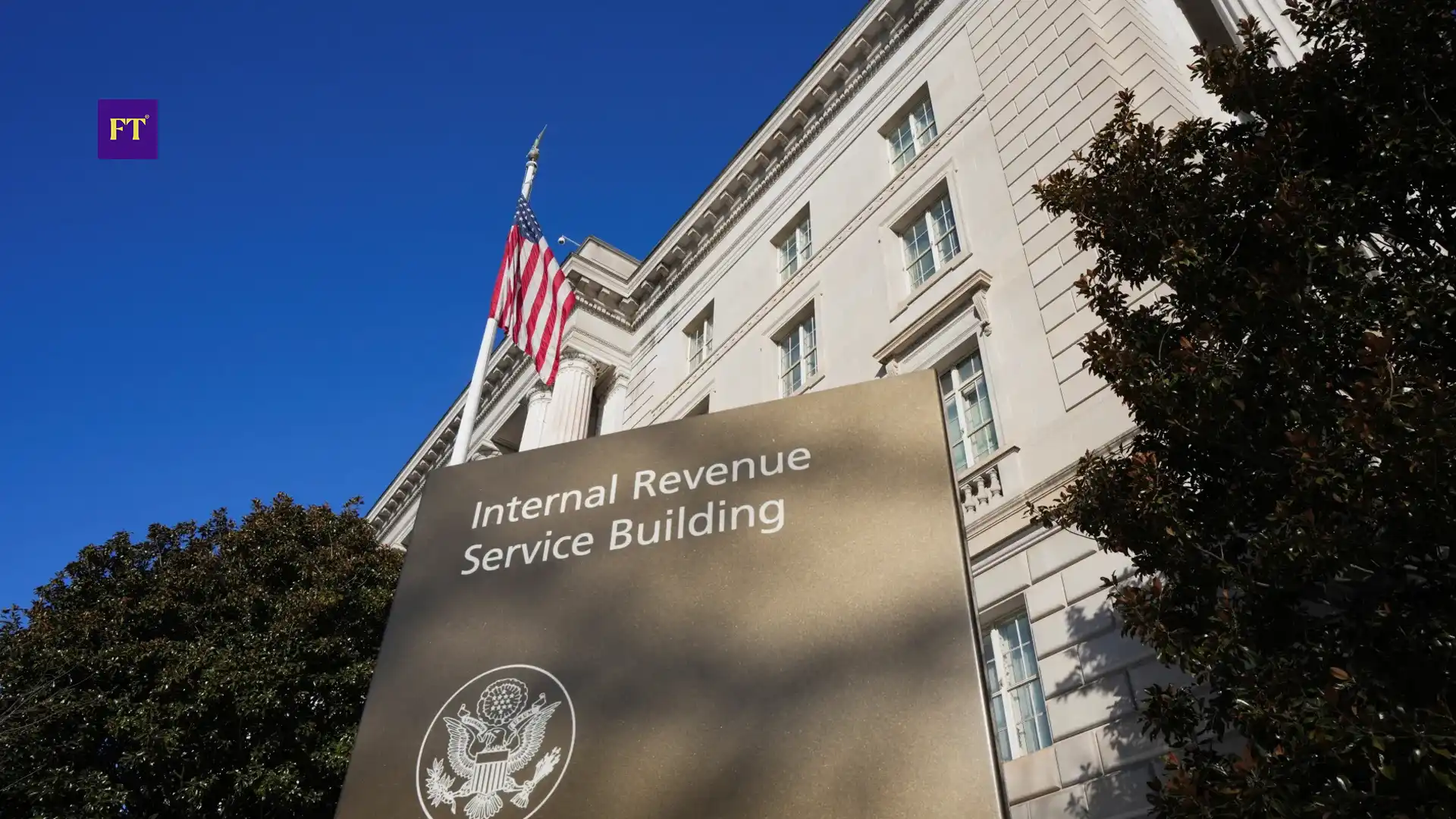
 Photo by FT
- Assess your finances and plan early by calculating income, expenses, debts, and future costs, then set savings goals that supplement Social Security to ensure retirement readiness.
- Maximize employer-sponsored retirement plans by contributing enough to capture matches, managing investments according to your goals, and understanding pension benefits and legal protections.
- Track and adjust savings regularly, supplement with IRAs or other accounts, and develop a retirement income strategy to convert savings into sustainable income while maintaining financial stability.
NEW YOKR, Feb. 20, 2026 — Retirement preparation is one of the most important financial tasks Americans face. It affects income, lifestyle, and security for decades after leaving the workforce. Effective preparation requires careful planning, consistent saving, understanding available resources, and knowing the legal protections that secure retirement benefits. By taking deliberate steps, workers can create a strategy that ensures financial stability, maintains lifestyle choices, and reduces stress after leaving the workforce.
Assess Your Current Financial Situation
The first step in preparing for retirement is understanding your financial situation. Workers should calculate income, monthly expenses, outstanding debts, and current savings. Understanding cash flow and net worth provides a baseline for retirement planning. Consider future costs for housing, healthcare, and emergencies. Social Security provides foundational income, but usually replaces only part of pre-retirement earnings. Estimating benefits and combining them with personal savings goals gives a clearer picture of retirement readiness.
Maximize Employer-Sponsored Retirement Plans
Employer-sponsored retirement plans are a cornerstone of retirement preparation for many Americans. Making full use of these plans can significantly increase retirement savings.
Contribute Enough to Capture Employer Matches: Many employers offer matching contributions in 401(k), 403(b), and SIMPLE IRA plans. Workers should contribute at least enough to take full advantage of these matches because unmatched contributions are effectively leaving free money on the table. Consistently contributing over time allows accounts to grow, leveraging both personal contributions and employer support.
Manage Investments According to Goals: Defined contribution plans provide participants with investment options such as stocks, bonds, and target-date funds. Younger workers can allocate more to equities for potential growth, while those closer to retirement may shift toward conservative options to preserve capital. Regular reviews and rebalancing of investments ensure the account stays aligned with retirement goals. Understanding risk tolerance and adjusting allocations over time is critical to managing long-term growth while minimizing unnecessary losses.
Understand Pension Benefits and Legal Protections
Some workers have access to defined benefit pension plans that guarantee monthly income based on salary and years of service. Reviewing plan documents to understand vesting schedules, payout options, survivor benefits, and cost-of-living adjustments is essential. Federal protections under ERISA ensure plan administrators act in the best interest of participants, provide essential documents, and establish grievance procedures if benefits are denied. The Pension Benefit Guaranty Corporation protects certain pensions, ensuring income if an employer cannot meet obligations.
Track, Adjust, and Supplement Savings
Retirement preparation is ongoing. Life events such as job changes, marriage, or caring for dependents may require adjusting contributions or investment allocations. Regular reviews of retirement accounts help track progress toward goals. Supplemental savings through IRAs, taxable investment accounts, or health savings accounts provide additional flexibility and security. Consolidating old retirement accounts simplifies management and ensures savings are working efficiently.
Develop a Retirement Income Strategy
As retirement approaches, workers should plan how savings will be converted into sustainable income. Decisions include when to claim Social Security benefits, how to withdraw from accounts, and whether to purchase annuities. A structured plan reduces the risk of depleting savings too early and provides stability for daily expenses and healthcare. Consulting a financial planner or retirement specialist can help optimize withdrawals, manage taxes, and create a strategy that aligns with personal goals.
Start Early and Stay Consistent
Starting early and contributing consistently is the most effective way to build retirement savings. Compounding growth over decades can significantly increase the value of contributions. Small, regular contributions often outperform sporadic large contributions. Beginning early also allows workers to recover from market fluctuations or unexpected life events without derailing retirement plans.
Ensuring Retirement Readiness
Preparing for retirement requires a structured approach that combines financial assessment, savings, legal protections, and ongoing review. Americans who take control of their retirement accounts, maximize employer-sponsored plans, supplement with individual savings, and create a sustainable income strategy are better positioned to achieve financial security. Early planning, consistent contributions, and informed decision-making give workers a path to enter retirement with stability and peace of mind.
Small, regular contributions often outperform sporadic large contributions. Beginning early also allows workers to recover from market fluctuations or unexpected life events without derailing retirement plans.
Related Topics

401k Charity Rules Make Retirement Donations Less Direct Than Expected
Donor-advised funds allow contributors to take a tax deduction at the time of contribution, then recommend grants to charities over time. This separates the tax event from the charitable distribution and gives donors more control over timing.
By

America’s Financial Literacy Divide is Redrawing the Boundaries of Retirement Security
At a national level, uncertainty around retirement remains widespread. More than two-thirds of adults express doubt about their ability to retire securely. While wider economic factors contribute to this concern, the data show that financial knowledge has a direct bearing on retirement preparedness.
By
How Workers Can Use a 401(k) and IRA to Build Retirement Savings
Workers without access to a workplace 401(k) can make tax-deductible contributions to a traditional IRA regardless of income.
By

What to Have Ready Before Filing for Social Security Retirement Benefits
A Social Security card or another record showing the applicant’s Social Security number is among the information used during the application process. The SSA may also request an original birth certificate, a copy certified by the issuing agency, or another acceptable record establishing the applicant’s age.
By