
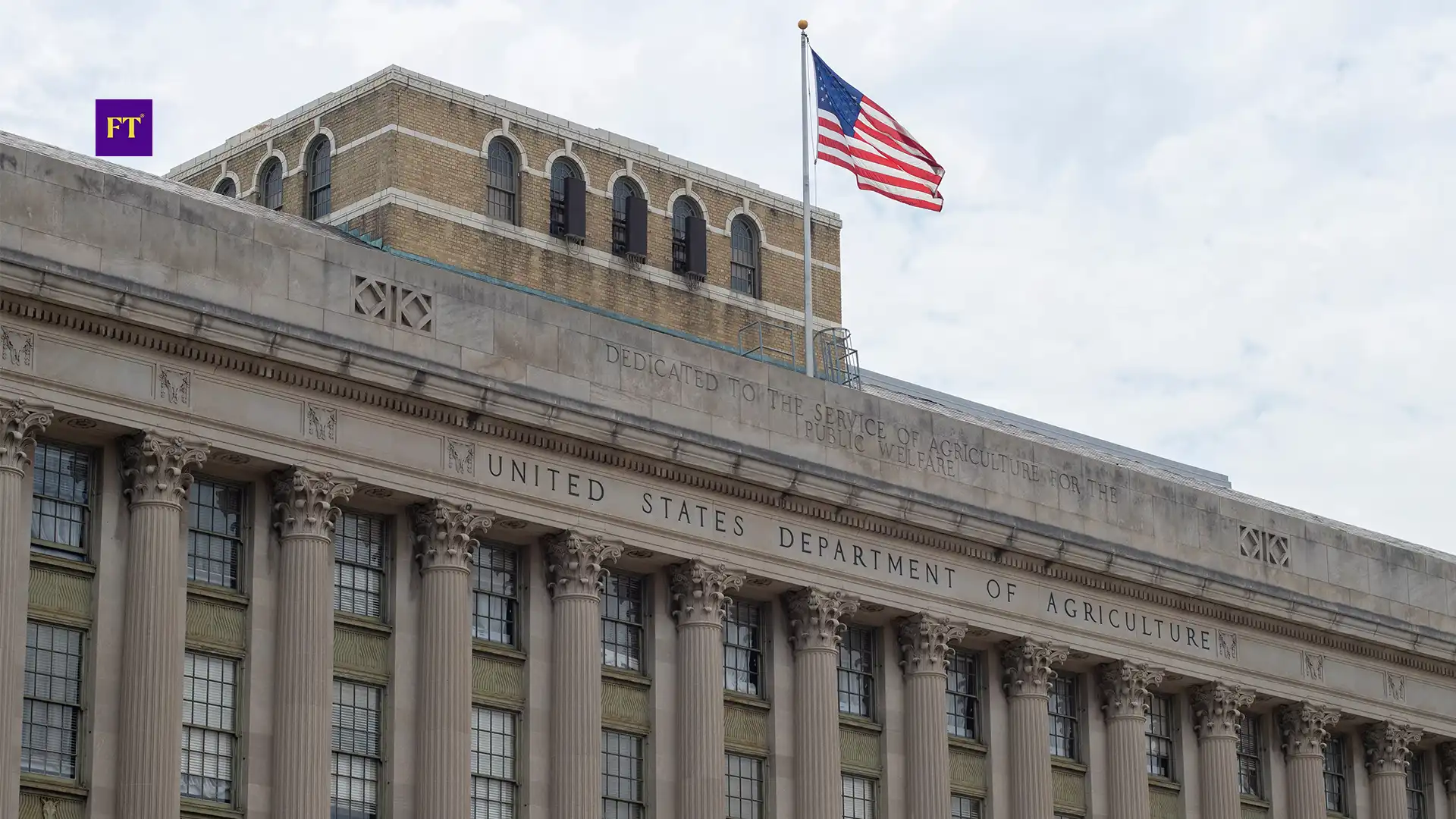
 Photo by FT
- The Community Facilities Program, administered by the United States Department of Agriculture through its rural development offices, provides loans, grants and loan guarantees to help eligible rural communities build and improve facilities that support essential public services.
- Local governments, tribal entities and qualifying non-profit organizations can use program funding to construct or upgrade hospitals, schools, fire stations and other infrastructure that delivers health care, education and public safety services.
- The program offers flexible financing options, including direct loans with structured repayment terms and grants that can be combined with loans, enabling rural communities to complete infrastructure projects that support long term access to essential services.
WASHINGTON, March 5, 2026 — The Community Facilities Program administered by the United States Department of Agriculture through its rural development offices provides financial assistance to help rural communities build, renovate and improve facilities that support essential public services. The program offers loans, grants and loan guarantees for projects that serve eligible rural areas across the country.
Local governments, tribal entities and qualifying non-profit organizations may apply for funding to construct or upgrade buildings that deliver health care, education and public safety services. The program focuses on infrastructure and equipment that enable communities to maintain access to essential services.
Loans, Grants and Loan Guarantees
The program offers multiple financing options to match different community needs and financial capacities. Each option is designed to help rural applicants complete projects that might otherwise be difficult to fund through local resources alone.
Direct Loans and Repayment Terms
Direct loans allow eligible applicants to borrow funds for construction, renovation or equipment purchases. These loans typically include structured repayment terms that help communities manage long term infrastructure investments. By spreading repayment over time, communities can move forward with projects while maintaining financial stability.
Grants and Leveraged Financing: Grants are available to qualifying communities, particularly those with smaller populations or limited financial resources. In many cases, grants may be combined with loans to reduce overall borrowing needs. This blended structure allows communities to complete larger projects while balancing federal assistance with local contributions.
Supporting Health Care and Education Facilities: Hospitals, clinics and nursing homes are among the facilities eligible for support. Funding may be used to build new medical centers, expand existing facilities or purchase equipment that allows providers to serve local residents effectively.
Educational institutions also qualify for assistance. Public schools, libraries and other community learning centers may use program funds for renovation, expansion or construction. These investments help maintain accessible education resources within rural areas.
Access to local healthcare and education facilities supports community stability. When residents can rely on nearby institutions, they are better able to meet essential needs without traveling long distances.
Public Safety and Civic Buildings
The program also supports fire stations, emergency response facilities and other public safety buildings. Funding may help communities construct new stations, modernize existing structures or purchase equipment necessary for emergency response.
Civic buildings such as town halls and community centers may also be eligible when they serve public functions. These facilities often host meetings, provide administrative services and support local governance.
Eligibility and Community Use
Eligibility depends on population thresholds and rural area definitions established in program guidelines. Public bodies and qualifying non-profit organizations typically submit applications through regional offices. Projects must serve eligible rural communities and meet federal requirements.
Each application undergoes review to determine feasibility and community benefit. Approved projects receive financing structured to support construction, renovation or equipment purchases that meet local needs.
Through loans, grants and guarantees, the Community Facilities Program supports infrastructure that enables rural hospitals, schools and public institutions to operate effectively. By focusing on facilities and equipment, the program helps communities maintain access to essential services and sustain local civic life.
Direct loans allow eligible applicants to borrow funds for construction, renovation or equipment purchases. These loans typically include structured repayment terms that help communities manage long term infrastructure investments.