
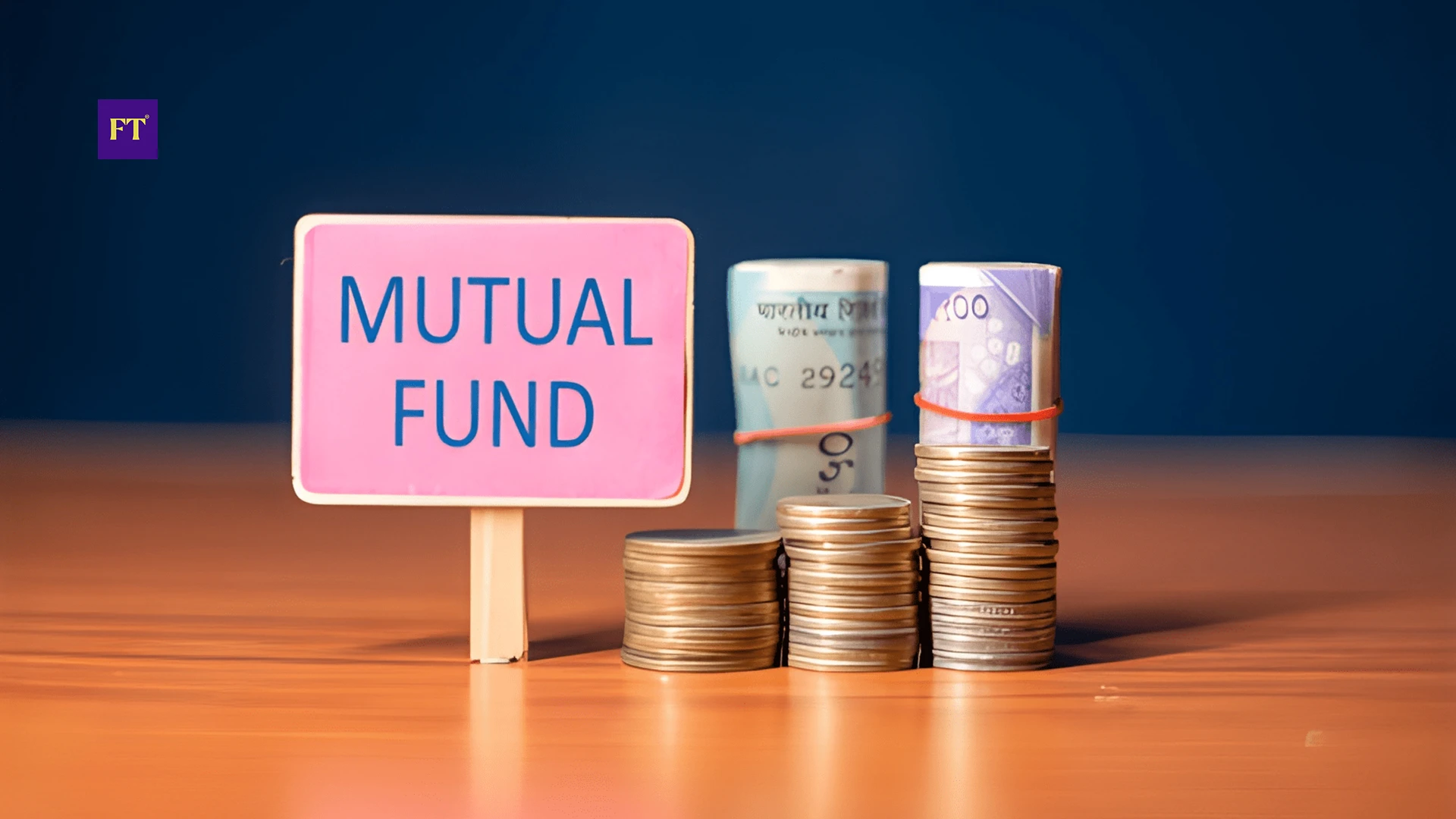
 Photo by FT
Mutual Fund Screener
- Mutual fund screeners help investors filter thousands of funds by category, returns, expenses, risk levels, and portfolio details, making fund research more organized.
- Investors can compare important factors such as historical performance, expense ratios, assets under management, volatility measures, and fund management details before selecting funds.
- Advanced screening tools allow side-by-side fund comparisons, custom searches, and deeper analysis to help investors evaluate options before making investment decisions.
NEW YORK, July 14, 2026 — Selecting a mutual fund can be challenging because thousands of funds are available across categories such as equity, debt, hybrid, sector-specific, index, and international funds. Although many funds may appear similar, they can differ significantly in historical returns, portfolio holdings, expense ratios, volatility levels, investment strategies, and fund management styles. A mutual fund screener helps investors narrow their choices by applying specific filters based on their investment preferences. Instead of manually reviewing every available fund, investors can search according to factors such as asset class, category, fund size, expense ratio, risk level, and historical performance. The screener then generates a list of funds that match the selected requirements, making the research process more organized.
Mutual fund screeners are available on financial websites, investment platforms, and brokerage services. Basic screeners usually provide information such as fund category, returns, fees, and ratings, while advanced platforms may offer deeper analysis, portfolio comparisons, risk measurements, and historical data. A screener does not select investments on behalf of investors or guarantee future results, but it helps create a structured list of funds for further evaluation. Investors can use the results as a starting point before reviewing fund documents, understanding investment strategies, and assessing whether a particular fund fits their financial goals.
Important Filters That Matter Most
The fund category is one of the first filters investors review because it separates funds based on their investment purpose. Equity funds focus primarily on stocks, debt funds invest in fixed-income securities, hybrid funds allocate money across multiple asset classes, and index funds track specific market benchmarks. Selecting the right category allows investors to compare funds with similar objectives. Historical returns are another commonly used filter because investors often review one-year, three-year, five-year, or ten-year performance records. Although past returns do not predict future outcomes, long-term performance data can provide information about how a fund performed during different market cycles. Expense ratio is another important factor because annual fund costs directly affect investor returns over time. Funds with lower expenses may allow investors to retain more of their investment gains during long holding periods.
Investors also review assets under management (AUM) when screening funds. A larger fund may provide greater liquidity, while a smaller fund may have more flexibility depending on its investment strategy. However, fund size alone does not determine quality, so it should be reviewed alongside other financial information. Risk measurements such as standard deviation, beta, Sharpe ratio, and downside capture ratio help investors understand volatility and risk-adjusted performance. Additional screening options may include minimum investment requirements, dividend history, tax efficiency, portfolio turnover ratio, and fund manager tenure. These filters allow investors to create a more detailed comparison based on their financial objectives and risk preferences.
Understanding Fund Performance Beyond Numbers
Many investors begin their search by identifying funds with the highest recent returns, but performance figures require careful analysis. A fund with exceptional short-term gains may have experienced higher volatility or taken greater risks compared with similar funds. Another fund with slightly lower returns may have demonstrated stronger consistency across different periods. The better choice depends on factors such as investment goals, risk tolerance, and expected holding period. Comparing funds within the same category is also important because different fund types serve different purposes. For example, comparing a technology-focused equity fund with a short-term bond fund would not provide a meaningful evaluation because their investment strategies and risk characteristics are different.
A mutual fund screener also allows investors to review information beyond returns. Fund manager tenure can show whether past performance was achieved under the current management structure or under a previous manager. Portfolio holdings provide additional details about the companies, industries, and regions where a fund invests. Reviewing these holdings helps investors understand whether a fund adds diversification or creates overlap with existing investments. Many screeners also display ratings from independent research organizations, which can provide additional information during the evaluation process. However, ratings should be considered alongside other financial details, including fees, risk statistics, portfolio composition, and investment objectives.
Using Fund Comparison Tools More Effectively
A major advantage of mutual fund screeners is the ability to compare multiple funds at the same time. Instead of reviewing separate documents for each fund, investors can view important information in a single comparison table. These tables often include historical returns, expense ratios, risk statistics, asset allocation, dividend yield, portfolio turnover, manager tenure, and assets under management. Reviewing these details together helps investors identify differences between funds that may not be visible when examining performance figures alone. For example, two large-cap equity funds may have similar five-year returns. Still, one may have lower expenses, lower turnover, and different portfolio holdings, which can influence long-term suitability.
Many screening platforms allow investors to save custom filters for future research. This feature is useful for investors who regularly monitor specific categories, such as dividend, index, international, or ESG-focused funds. Advanced screening tools may also include filters based on environmental, social, and governance factors, sector exposure, income generation, and investment themes. Financial professionals also use these platforms when reviewing funds for portfolios because analyzing thousands of available options manually requires significant time. While a screener cannot predict future market results, it provides investors with a structured method for comparing funds, identifying suitable options, and conducting more detailed research before investing.
The fund category is one of the first filters investors review because it separates funds based on their investment purpose. Equity funds focus primarily on stocks, debt funds invest in fixed-income securities, hybrid funds allocate money across multiple asset classes, and index funds track specific market benchmarks.
Related Topics

Financial Tools to Plan, Track, and Grow Your Money
An expense tracker records and categorizes daily spending across different categories such as food, transport, rent, utilities, subscriptions and discretionary expenses.
By

What is an SIP Calculator and Why It Matters
An SIP calculator helps convert regular saving behavior into a structured financial projection. Many investors find it difficult to understand how small monthly contributions can result in large accumulated values over long periods. The tool provides a numerical estimate that connects present contributions with future value.
By

What is an EMI Calculator
An EMI calculator uses a standard loan formula based on the principal amount, interest rate, and loan tenure. When these values are entered, the tool calculates a fixed monthly installment that remains constant throughout the repayment period.
By

What is a Retirement Calculator
Consider a person who saves a fixed amount every month and continues this pattern until retirement age. The calculator estimates how these contributions may grow over time based on an assumed rate of return.
By