
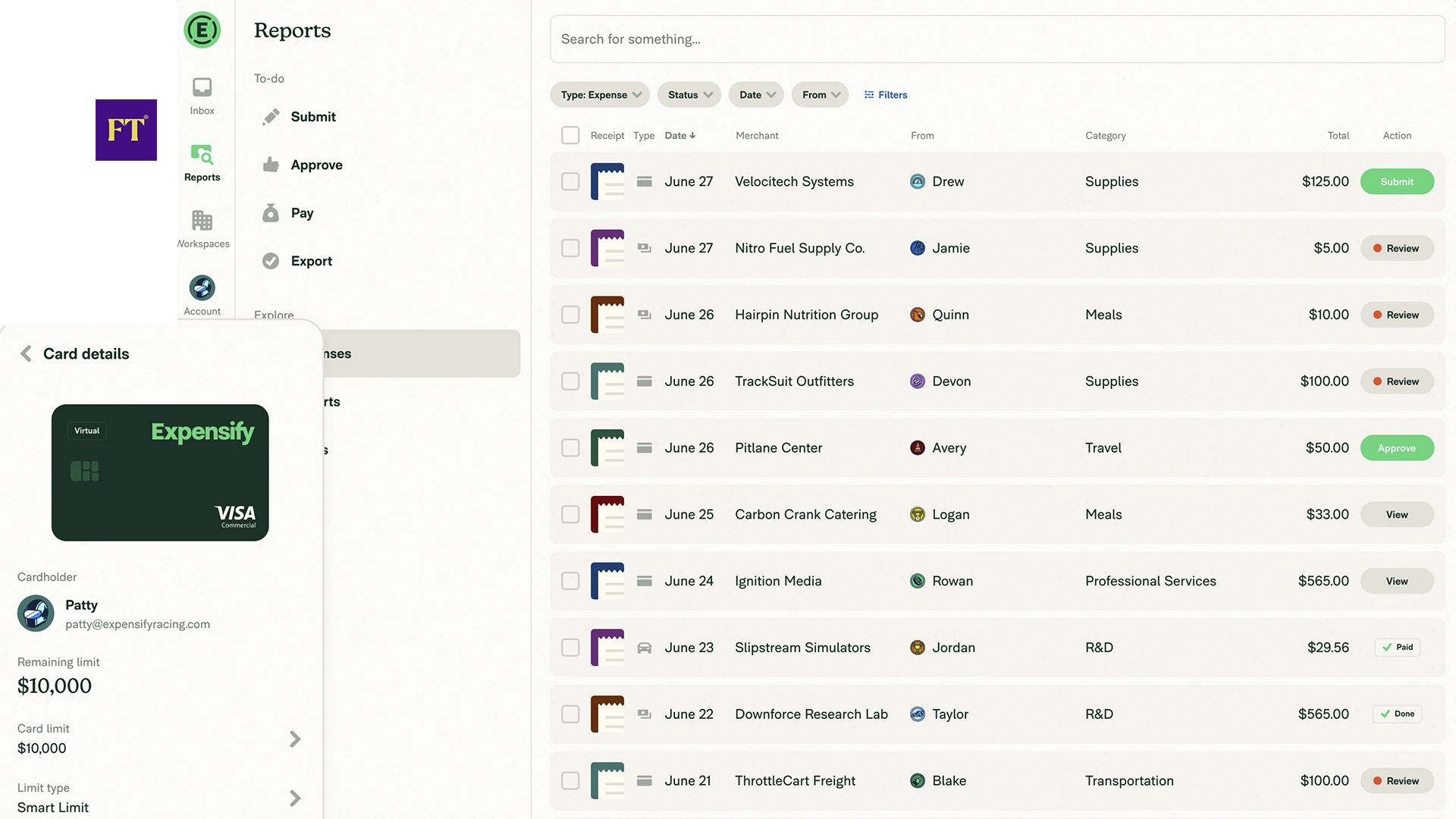
 Photo by FT
Expense Tracker
- An expense tracker records money spent over time in an organized format using notebooks, spreadsheets, or apps.
- Regular logging creates a chronological record of spending that helps track how money is used across categories.
- Digital tools can automate entries, group expenses, and protect data through security features like authentication.
NEW YORK, June 26, 2026 — An expense tracker is a system that records money spent over time in an organized format. It can take the form of a notebook, spreadsheet, or digital application. Each entry generally records details such as date, amount, category, and payment method. Categories often include essentials like housing, food, transport, utilities, and discretionary purchases.
The value of such a system lies in its ability to store financial activity in one place rather than relying on memory. When records are maintained regularly, they form a chronological history of spending that can be reviewed at any time. This allows users to see how money moves through different areas of daily life without relying on estimates or assumptions. The same dataset also supports long-term review, since repeated entries build a reliable reference for how spending patterns evolve over time.
Daily Expense Recording Practices
Expense recording usually happens through repeated daily actions. Every purchase is noted soon after it takes place or logged later during the same day. Some individuals prefer writing entries manually, while others use mobile applications that store transaction data automatically once linked to a bank account or card.
Consistency plays an important role in maintaining reliable records. When entries are missed, the overall record becomes incomplete and less useful for later review. Many users also attach receipts or digital confirmations to entries, especially for larger purchases or business-related spending. Over time, these daily records build a detailed timeline of financial activity that can be traced back for verification or review purposes. This continuous logging also reduces gaps in financial history and supports a more accurate reflection of spending behavior.
Financial Insights from Expense Data and Organization
Expense records allow spending patterns to be reviewed across different time periods. When grouped into categories, they show how money is distributed across needs such as housing, food, transport, and leisure. This breakdown helps users understand which areas absorb more resources and how spending changes over weeks or months.
Recurring payments such as subscriptions, insurance charges, and utility bills often become more visible through structured records. These repeated costs form a stable part of monthly spending and can be reviewed when deciding whether they remain necessary. Comparing records from different months also helps identify variations in spending during holidays, seasonal changes, or lifestyle adjustments. The same records can also be used to cross-check financial summaries and ensure that no recurring charge goes unnoticed in overall calculations.
Digital Tools for Expense Management
Digital tools used for expense tracking include mobile applications, online platforms, and spreadsheet systems. Mobile applications often allow quick entry of transactions and may link directly with financial accounts to import spending data automatically. This reduces the need for manual entry and keeps records updated as transactions occur.
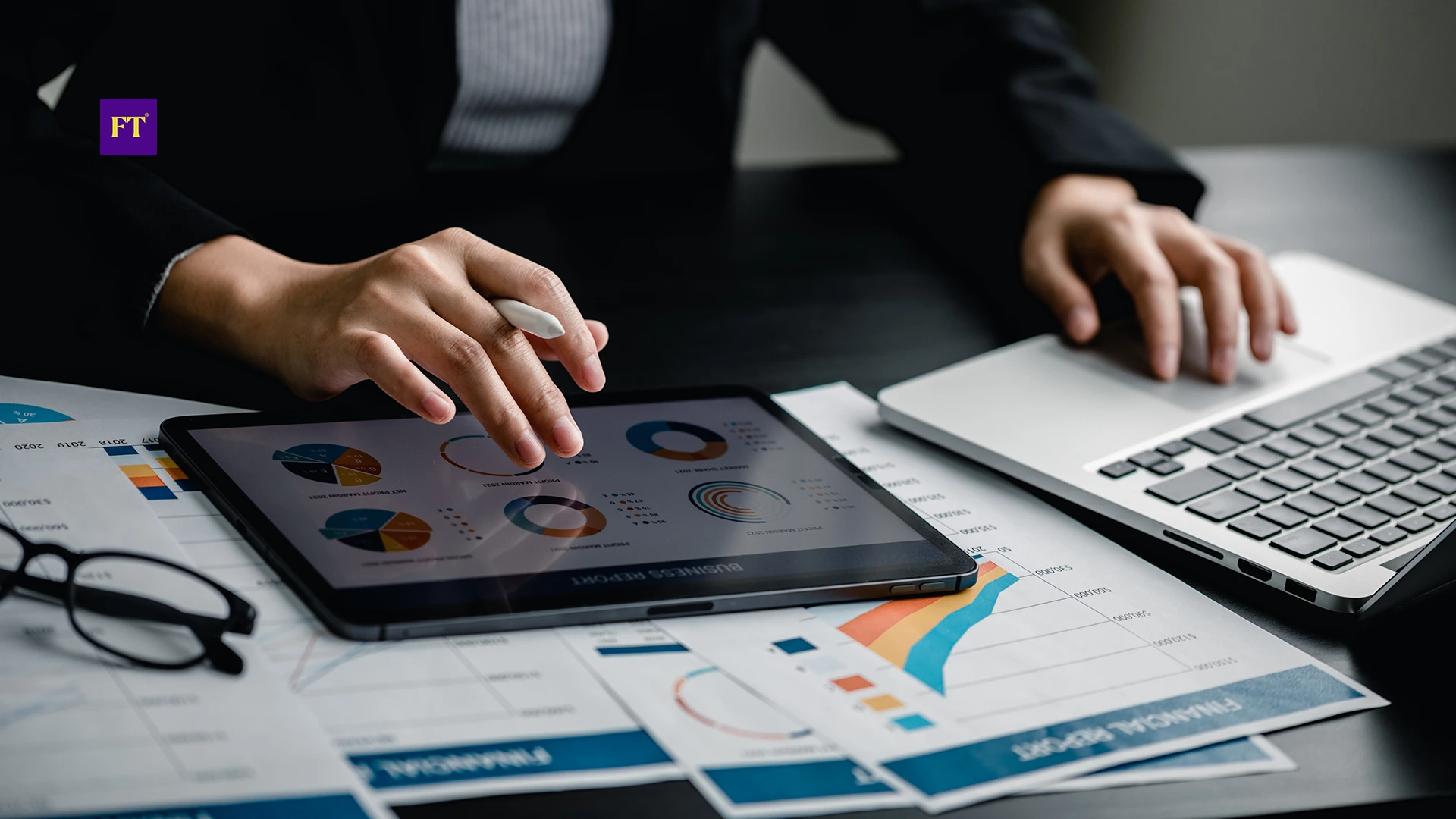
Spreadsheet systems offer more control over layout and categorization. Users can design columns for date, amount, description, and category based on personal preference. Some tools also generate visual summaries, such as charts that show how spending is divided across categories. These visual records make it easier to review financial data without scanning each entry individually. In many cases, these tools also allow export of data for external review or backup purposes.
Security is also considered in digital systems. Many applications use authentication methods and encrypted storage to protect financial information. Users are often advised to review permissions before connecting bank accounts or sharing access with third-party tools. This helps maintain control over sensitive financial records while still allowing automation features where needed.
Expense recording usually happens through repeated daily actions. Every purchase is noted soon after it takes place or logged later during the same day. Some individuals prefer writing entries manually, while others use mobile applications that store transaction data automatically once linked to a bank account or card.
Related Topics
Financial Tools to Plan, Track, and Grow Your Money
An expense tracker records and categorizes daily spending across different categories such as food, transport, rent, utilities, subscriptions and discretionary expenses.
By

What is an SIP Calculator and Why It Matters
An SIP calculator helps convert regular saving behavior into a structured financial projection. Many investors find it difficult to understand how small monthly contributions can result in large accumulated values over long periods. The tool provides a numerical estimate that connects present contributions with future value.
By

What is an EMI Calculator
An EMI calculator uses a standard loan formula based on the principal amount, interest rate, and loan tenure. When these values are entered, the tool calculates a fixed monthly installment that remains constant throughout the repayment period.
By

What is a Retirement Calculator
Consider a person who saves a fixed amount every month and continues this pattern until retirement age. The calculator estimates how these contributions may grow over time based on an assumed rate of return.
By