
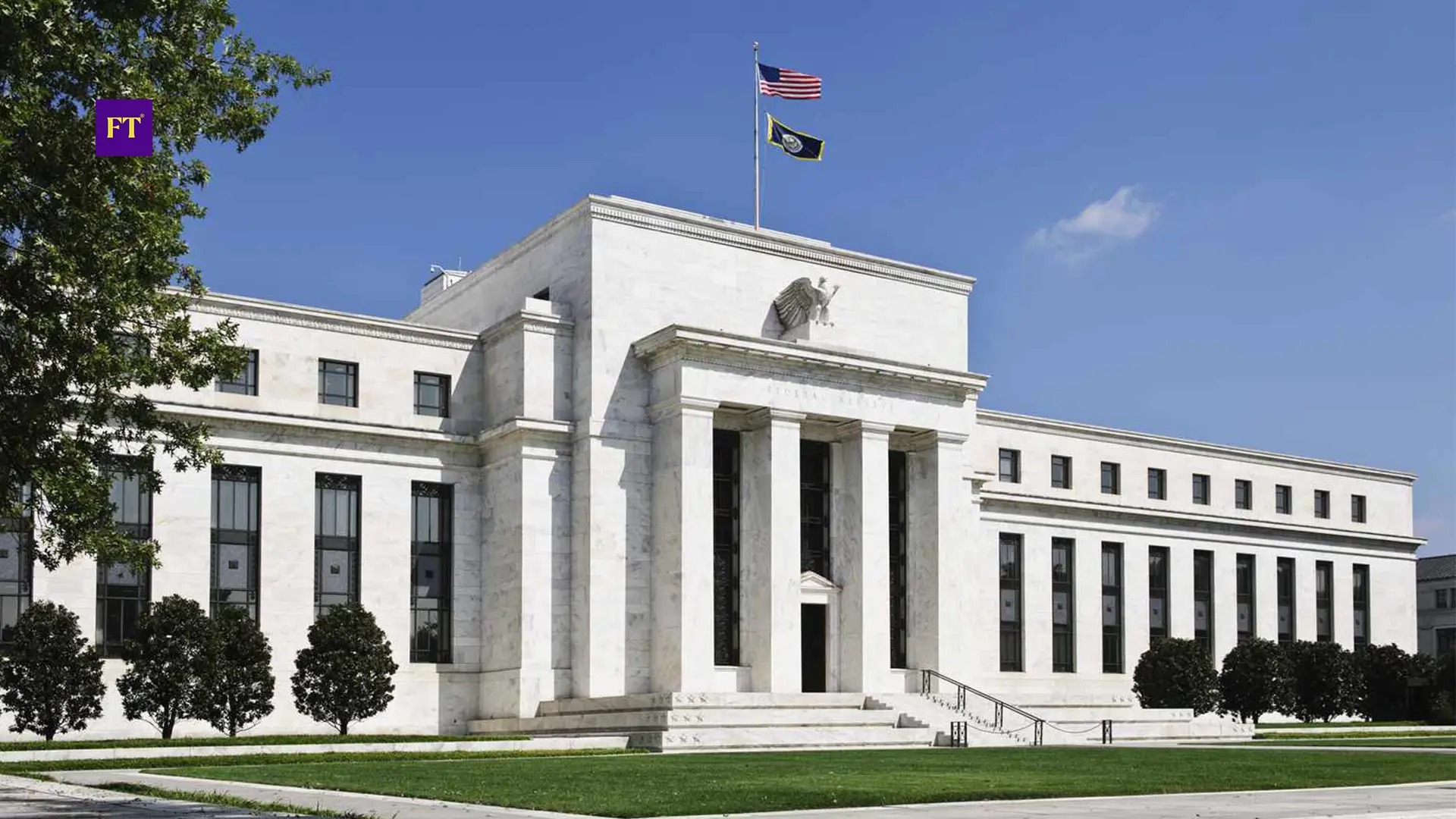
 Photo by FT
- The Federal Reserve keeps money moving across the U.S., handling everything from cash and checks to electronic transfers, so payments reach their destinations reliably.
- Small-value payments, like bills and payroll, are processed through automated systems, while high-value transfers between banks use Fedwire networks to maintain stability.
- The Fed safeguards currency, supports banks and the government, and develops faster payment services like FedNow to ensure the system remains reliable and accessible.
WASHINGTON, March 17, 2026 — Money flows through the United States every day, linking people, businesses, and banks in countless transactions. From buying groceries to receiving paychecks, these payments move across a network that must operate reliably and securely. The Federal Reserve plays a central role by supplying currency and running the systems that process these payments, making sure funds reach their destinations on time. Its work touches nearly every financial activity, helping the economy function smoothly and supporting the operations of households, businesses, and government agencies.
Moving Money Across the Country
Everyday payments take many forms, from cash and checks to debit cards and electronic transfers. Federal Reserve notes serve as the backbone of the nation’s currency, circulating widely among banks, businesses, and households. Banks deposit checks with Reserve Banks, which collect and process them, making sure funds move from one account to another without unnecessary delays.
Small-Value Payments and Electronic Transfers: Small-value payments, such as recurring bills, payroll deposits, and online purchases, pass through automated clearinghouse systems. These systems batch and process transactions efficiently, allowing households and businesses to complete routine payments without delays. The automated clearinghouse network connects financial institutions across the country, ensuring that even small transfers reach the correct accounts promptly.
Large-Value Payments and Bank-to-Bank Transfers: High-value transfers between banks or businesses rely on Fedwire Funds and Fedwire Securities, which settle payments quickly and securely. These systems handle transactions that could affect financial markets if delayed, including interbank transfers and large corporate payments. By providing reliable settlement for high-value transactions, the Federal Reserve helps maintain stability across the banking system and ensures that money moves where it is needed without interruption.
Protecting Currency and Public Trust
The Federal Reserve issues nearly all U.S. currency in circulation. Safeguarding its integrity involves collaboration with the Treasury Department, the Bureau of Engraving and Printing, and the Secret Service. Notes are periodically redesigned to prevent counterfeiting while remaining easy for the public to authenticate. Security features include watermarks, color-shifting ink, and embedded threads that help people and businesses verify authenticity before accepting cash.
Public education campaigns play an important role by showing how these features work. Reserve Banks also monitor the quality of notes in circulation, removing damaged or worn currency and replacing it with new bills. These measures help maintain confidence in the nation’s money, ensuring that both individuals and businesses can trust the funds they use every day.
Supporting Banks and the Government
Reserve Banks act as a bank for other banks, offering services that allow financial institutions to operate efficiently. They distribute coins and notes, collect deposits, and return unpaid checks. By handling these transactions, the Federal Reserve helps banks provide services to their customers, including cash withdrawals, payroll deposits, and routine payments.
Since 1915, the Federal Reserve has served as the fiscal agent for the U.S. government. This role includes issuing and redeeming government securities, managing Treasury deposits, and supporting programs that help fund government operations. Historical examples, such as the issuance of Series E savings bonds during World War II, illustrate how Reserve Banks have supported government financing while maintaining efficient operations for banks and the public. These services ensure that the financial system functions smoothly and that public confidence remains strong.
Innovating for Faster Payments
The Federal Reserve continues to modernize the payment system to keep up with technology and changing customer needs. The FedNow Service, launched in 2023, enables instant payments, allowing households and businesses to move money immediately. This service gives banks and credit unions the ability to offer faster, more convenient payment options for their customers.
Research, collaboration with Congress, private institutions, and international partners guide these modernization efforts. The goal is to make the system safer, more accessible, and more reliable for everyone who depends on it. By adopting new technology, the Federal Reserve helps ensure that U.S. payment systems can meet the demands of both consumers and businesses in a digital economy.
Keeping the System Reliable
Every financial transaction depends on the trustworthiness of the payment system. By managing currency, processing checks, providing electronic transfers, and settling large-value payments, the Federal Reserve supports nearly every aspect of daily commerce. These operations help businesses pay employees, allow individuals to shop or pay bills, and enable government agencies to distribute funds efficiently.
The network of services provided by the Federal Reserve sustains confidence in the U.S. currency and the institutions that handle it. By continuously monitoring and improving these systems, the Fed helps ensure that money moves safely and efficiently, keeping the economy functioning smoothly for everyone who relies on it.
The Federal Reserve issues nearly all U.S. currency in circulation. Safeguarding its integrity involves collaboration with the Treasury Department, the Bureau of Engraving and Printing, and the Secret Service.
Related Topics
How Modern Banking and Payments are Changing Everyday Finance
From digital apps to online transfers, everyday banking is becoming faster, easier, and more accessible for everyone.
By

Paystack Reorganizes as It Expands Beyond Payments
The company handles transactions for over 300,000 merchants, many of whom have requested access to credit and other financial products.
By
Bank of America to Host Thousands of Scam Education Sessions to Help Public Recognize Fraud Attempts
Bank of America will review impersonation scams where criminals pose as representatives of banks, government agencies, or trusted companies. These scams often request sensitive information such as account details, passwords, or verification codes.
By

How Heartland Bank and Trust Builds on Generations of Trust and Service
The Illinois-based bank draws on more than a century of experience, providing individuals, families, and businesses with relationship-based banking and financial solutions.
By