
 Photo by FT
- Banks have shifted from physical branches to digital platforms, offering accounts, cards, and online transfers that shape how people save, spend, and manage money while emphasizing trust, security, and convenience.
- Digital payments and mobile banking enable instant transactions, spending tracking, and business support, but require vigilance against fraud and literacy in using apps and financial tools.
- Access to banking fosters financial inclusion, healthy money habits, and economic participation, with innovations like mobile accounts, microloans, and personalized insights helping individuals and small businesses manage finances effectively.
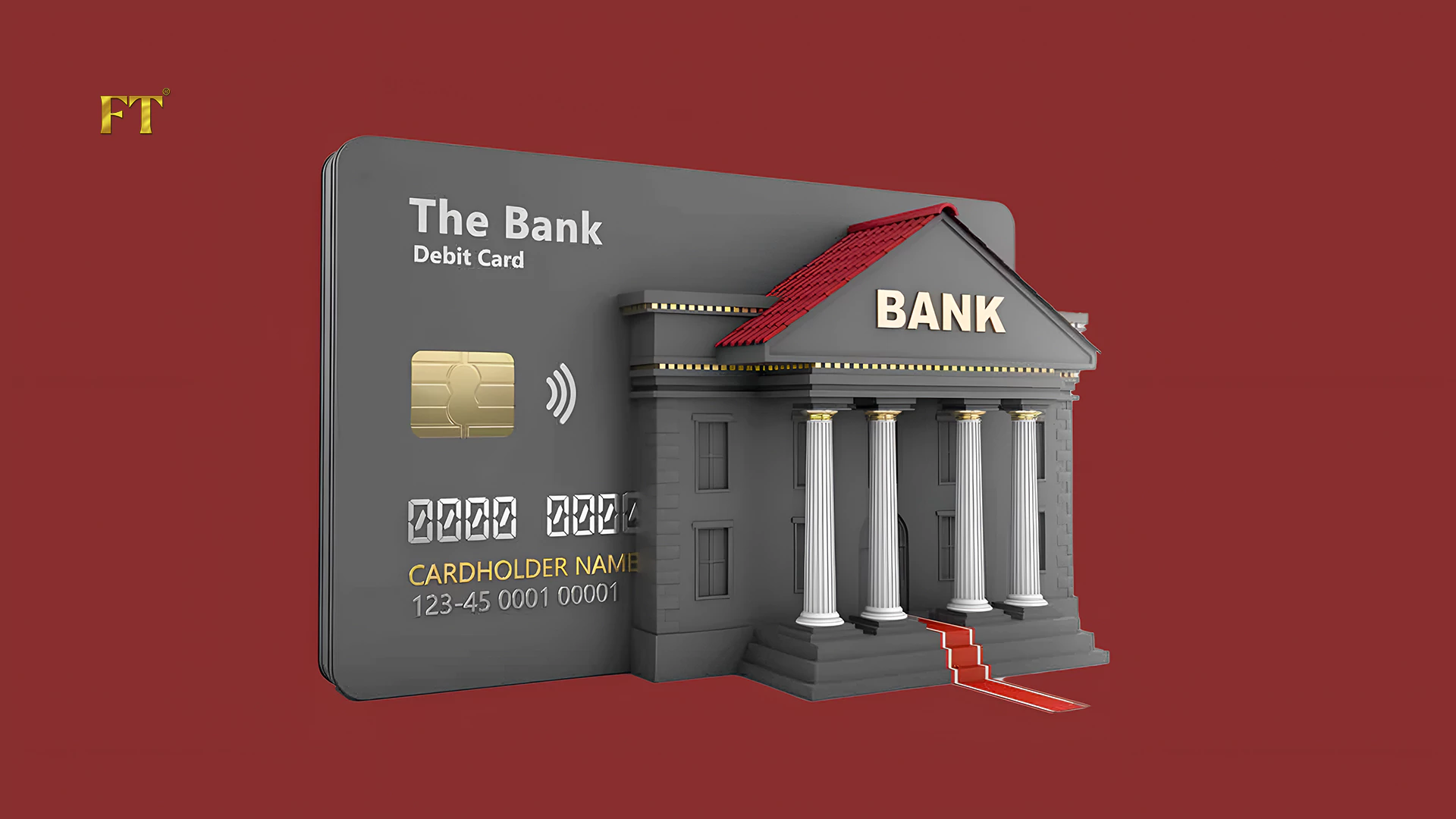
NEW YORK, Sept. 26, 2025 — Banks influence how people save, spend, and move money. They store funds, provide loans, and handle payments. Over time, they have evolved from brick-and-mortar institutions to digital-first platforms. Checking and savings accounts, debit and credit cards, and online transfers form the backbone of daily financial life.
Trust is critical. People choose banks for security, convenience, and reliability. Timely access to funds and clear account management matters. Modern banking goes beyond physical branches. Mobile apps and online platforms let individuals deposit checks, track spending, and transfer money without visiting a branch. The convenience has changed expectations for how quickly and easily transactions should occur.
How are Payments Evolving?
Payments have changed dramatically in the last decade. Cash is still used, but digital payments dominate in many areas. Debit cards, credit cards, and contactless payments allow people to pay for goods and services almost instantly. Peer-to-peer apps enable friends and family to send money without handling cash. Digital wallets store multiple cards and even cryptocurrencies in one place, giving users flexibility and control.
Speed is just one benefit. Tracking spending has become simpler. Every transaction leaves a record, which helps with budgeting and understanding habits. Businesses also benefit. Payment processing is faster, reducing the time it takes to receive funds. Mobile and online platforms support small businesses by handling sales, invoicing, and even subscriptions without the need for a traditional point-of-sale system.
Security remains a concern. With instant payments comes the risk of fraud. Banks and payment providers have invested heavily in fraud detection and prevention. Alerts for unusual activity, two-factor authentication, and secure encryption protect both consumers and businesses. Even as technology advances, users must stay vigilant, checking statements regularly and reporting suspicious transactions promptly.
Digital Banking and its Benefits
Mobile Access: Digital banking allows users to check balances, pay bills, transfer money, and even apply for loans from anywhere. This shift has made banking accessible to people in rural areas and those who cannot easily visit a branch.
Personalization Tools: Accounts can be linked to spending habits, and insights can help individuals manage budgets, save for goals, and avoid overdraft fees. Alerts for low balances or upcoming bills prevent surprises. Banks use these tools to improve customer relationships while promoting responsible money management.
Digital banking requires literacy. Users must understand how to navigate apps, protect their information, and read transaction histories accurately. Those who are less familiar with technology can face barriers, highlighting the need for education and support alongside innovation.
Financial Inclusion Through Banking
Banking and payments are more than tools for convenience. They are pathways to financial inclusion. People with access to reliable banking can save safely, receive wages, pay bills, and participate in the broader economy. Those without access face higher costs and limited options.
Digital banking has expanded access in many regions. Mobile accounts allow people to deposit, transfer, and withdraw money without ever visiting a branch. Microloans and digital credit assessments give individuals and small businesses opportunities that were previously unavailable. By providing tools for secure transactions, banks and payment providers enable communities to grow economically and participate in everyday commerce.
Building Healthy Financial Habits
Using banking and payment tools effectively requires discipline and planning. Regularly reviewing statements, setting spending limits, and automating savings are small actions that compound over time. Making thoughtful choices about when and how to borrow, pay, or transfer funds prevents unnecessary fees and stress.
Banks can support these habits through clear information, alerts, and educational resources. Customers benefit when they understand the costs and benefits of different payment methods, interest rates, and account features. Over time, these habits strengthen financial stability and allow people to make informed decisions about major purchases, investments, and life goals.
The Future of Banking and Payments
Payments continue to evolve. Contactless cards and mobile wallets are common, but new methods continue to emerge. Biometric verification, such as fingerprints or facial recognition, is being used for added security. Cryptocurrencies and blockchain technologies offer alternative ways to transfer value, although adoption remains limited for now.
Businesses are adapting to changing consumer behavior. Retailers, restaurants, and online services integrate multiple payment options to meet expectations. Subscriptions, recurring payments, and instant transfers are becoming standard. Banks and payment companies are responding by creating seamless experiences that combine speed, convenience, and security.
Regulation plays a key role. Ensuring that new technologies are safe, compliant, and transparent protects consumers while encouraging innovation. Payment systems must operate smoothly across borders, particularly as e-commerce and global transactions increase.
Managing money today goes beyond visiting a branch. People deposit checks, track spending, and move money in seconds while staying in control of their finances.
Related Topics

Paystack Reorganizes as It Expands Beyond Payments
The company handles transactions for over 300,000 merchants, many of whom have requested access to credit and other financial products.
By
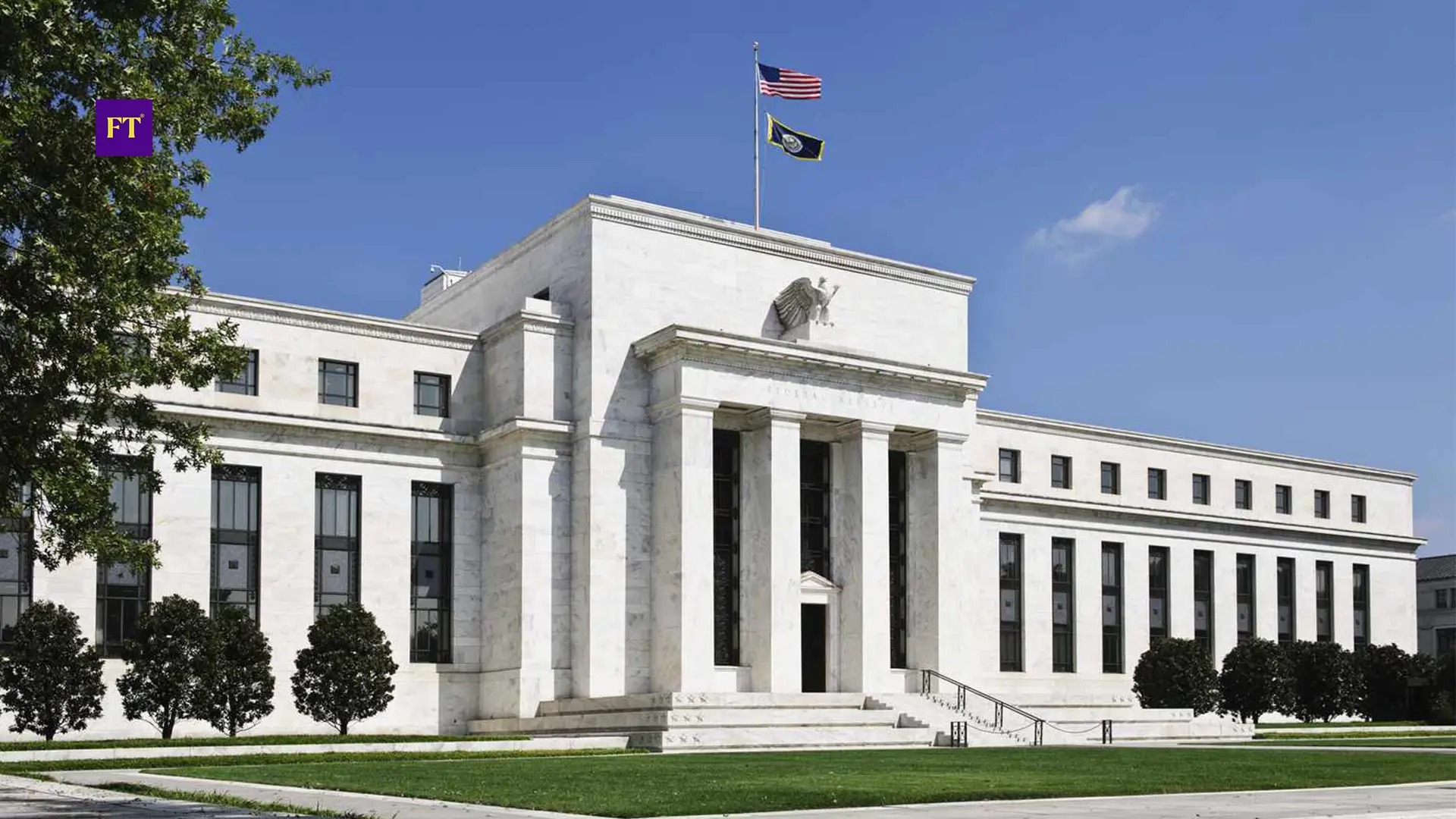
How the Federal Reserve Keeps U.S. Payments Moving
Reserve Banks act as a bank for other banks, offering services that allow financial institutions to operate efficiently. They distribute coins and notes, collect deposits, and return unpaid checks. By handling these transactions, the Federal Reserve helps banks provide services to their customers, including cash withdrawals, payroll deposits, and routine payments.
By
Bank of America to Host Thousands of Scam Education Sessions to Help Public Recognize Fraud Attempts
Bank of America will review impersonation scams where criminals pose as representatives of banks, government agencies, or trusted companies. These scams often request sensitive information such as account details, passwords, or verification codes.
By

How Heartland Bank and Trust Builds on Generations of Trust and Service
The Illinois-based bank draws on more than a century of experience, providing individuals, families, and businesses with relationship-based banking and financial solutions.
By