
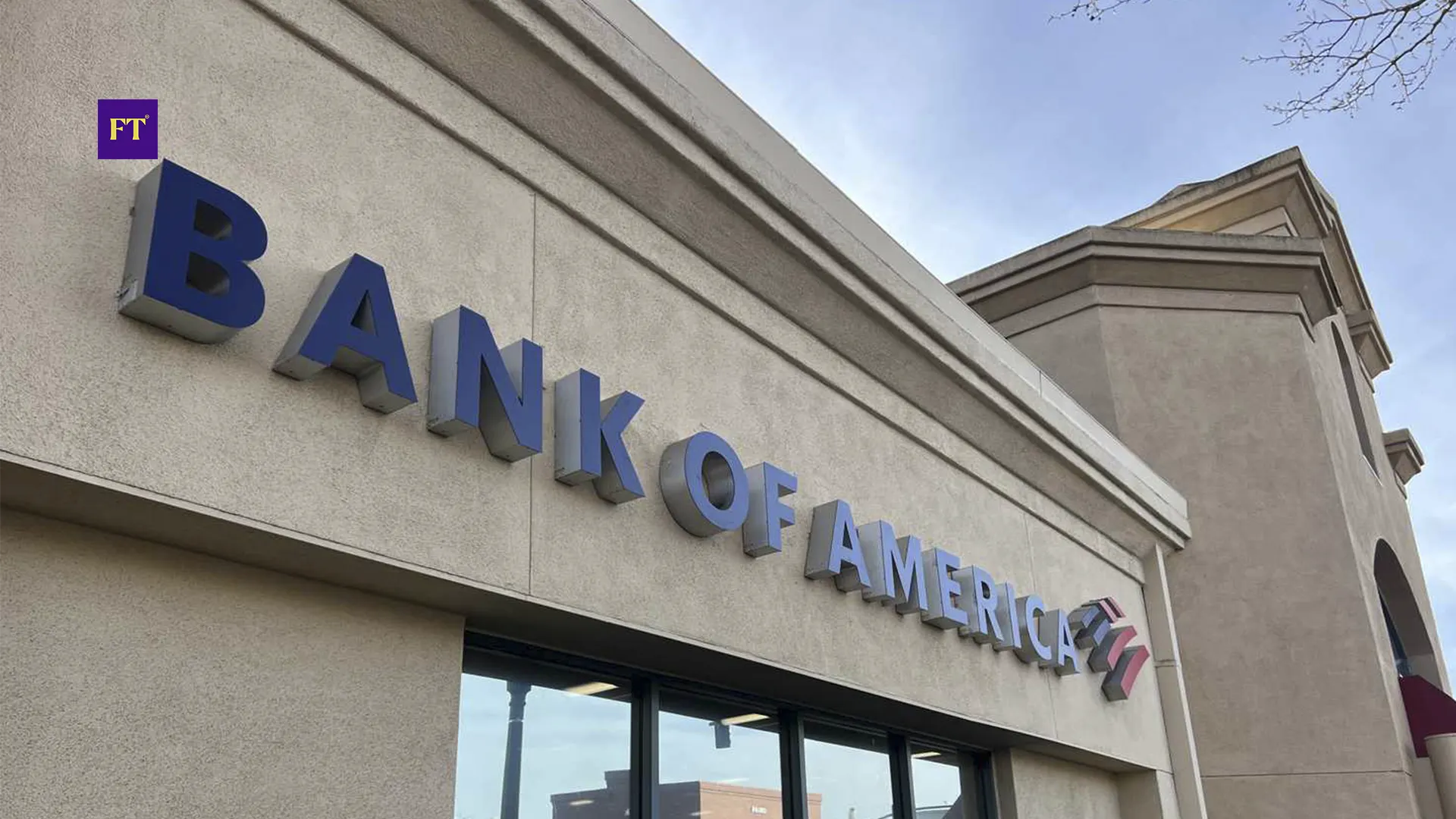
 Photo by FT
Small Banks and Financial Literacy
- Small and regional banks across the United States are expanding financial literacy through classroom programs, community partnerships, digital resources, and educational initiatives that reach students, families, entrepreneurs, and underserved communities.
- Banks such as NBT Bank, TS Bank, Sunflower Bank, Montecito Bank & Trust, BayCoast Bank, Northwest Bank, Wintrust Bank, Cambridge Savings Bank, The Victory Bank, and OneUnited Bank have developed programs covering budgeting, saving, credit management, fraud awareness, and financial planning.
- While major institutions like Bank of America are investing in fraud-prevention education through initiatives such as its nationwide ‘Scaminars,’ community banks continue to play a significant role in delivering financial education at the local level.
NEW YORK, June 23, 2026 — Financial literacy remains one of the most important contributors to personal financial well-being. From budgeting and saving to credit management and fraud prevention, financial knowledge influences decisions that affect individuals throughout their lives. Banks have become active participants in financial education, recognizing that informed consumers are better equipped to make sound financial choices.
Recent initiatives from larger institutions demonstrate the growing importance of financial education across the banking sector. Bank of America, for example, recently announced plans to host thousands of fraud-awareness seminars, known as Scaminars, designed to help consumers identify scams, protect personal information, and respond effectively to fraud attempts. Such programs highlight how financial education now extends beyond traditional topics to include digital security and fraud awareness.
Yet many smaller institutions have been engaged in financial literacy efforts for years, often working directly within local communities. Through partnerships with schools, colleges, nonprofit organizations, churches, and civic groups, these banks continue to make financial knowledge accessible to a diverse range of audiences.
Community Banks as Financial Education Partners
Community and regional banks have long maintained close relationships with the areas they serve. Financial education fits naturally within that relationship. Beyond offering deposits, loans, and other banking services, many institutions devote resources to helping individuals better understand personal finance.
Financial literacy programs frequently address budgeting, saving, debt management, credit scores, homeownership, retirement planning, fraud awareness, and investment fundamentals. For younger audiences, lessons often focus on developing responsible financial habits before major financial decisions arise.
Many small banks also work alongside educators and community organizations to deliver programs where people already gather and learn. Such partnerships help financial education reach audiences that may have limited access to reliable financial information.
Notable Financial Literacy Initiatives Across the United States
Several community and regional banks have developed programs that deserve recognition for their contribution to financial education.
NBT Bank has established the Strive Financial Literacy Program, which serves students, parents, educators, and young adults. Educational resources cover budgeting, saving, responsible borrowing, and financial planning, helping participants develop stronger money-management skills.
TS Bank promotes financial wellness education through the TS Institute. Programs include classroom instruction, workshops, and community outreach activities that introduce participants to budgeting, saving, spending decisions, and personal financial responsibility.
Sunflower Bank offers financial education through schools, colleges, senior centers, and community organizations. Educational sessions address financial topics relevant to different stages of life, helping participants better understand personal finance and long-term planning.
Montecito Bank & Trust has offered community financial education for more than two decades. The bank conducts workshops for both youth and adults, while bilingual programming helps make financial information accessible to wider audiences.
BayCoast Bank maintains free financial literacy programs designed to help students, families, and residents strengthen their understanding of personal finance. By removing cost barriers, educational opportunities become available to a larger segment of the community.
Northwest Bank reaches thousands of students annually through classroom-based financial education initiatives. Students learn about saving, budgeting, and responsible financial habits that can support better decision-making throughout adulthood.
Wintrust Bank supports financial literacy through the FDIC's Money Smart curriculum. Programs delivered through schools, nonprofit organizations, churches, and community groups help expand financial education across diverse populations.
Cambridge Savings Bank has developed financial education courses geared toward entrepreneurs and small business owners. These programs help participants better understand business finances, financial planning, and financial management.
The Victory Bank contributes through partnerships that provide digital financial literacy resources. Online learning opportunities allow individuals to access educational materials in a flexible and convenient format.
OneUnited Bank has gained recognition for wealth-building and financial empowerment initiatives designed to support underserved communities. Educational efforts focus on strengthening financial knowledge while encouraging long-term financial participation and economic opportunity.
Supporting Different Communities and Generations
One of the most notable aspects of these programs is their diversity. Financial literacy is not limited to one demographic group, and the educational needs of participants vary significantly.
Students may require introductory lessons on saving and budgeting. Young adults often seek information about credit, debt management, and first-time financial decisions. Entrepreneurs benefit from business finance education, while seniors may focus on retirement planning and fraud prevention.
Community banks frequently tailor educational content to meet these varying needs. Such flexibility allows financial education to remain relevant and useful for participants at different stages of life.
Accessibility also plays an important role. Bilingual workshops, digital learning platforms, community-based seminars, and school partnerships help ensure that financial information reaches a wider audience. These efforts contribute to greater financial awareness and understanding throughout local communities.
Why These Efforts Matter
Financial literacy can influence decisions involving spending, borrowing, saving, investing, and long-term financial planning. Individuals with stronger financial knowledge are often better prepared to evaluate financial products, identify fraud risks, and manage their financial obligations responsibly.
The contributions of NBT Bank, TS Bank, Sunflower Bank, Montecito Bank & Trust, BayCoast Bank, Northwest Bank, Wintrust Bank, Cambridge Savings Bank, The Victory Bank, and OneUnited Bank demonstrate how smaller institutions continue to play an important role in financial education across the United States.
While large institutions such as Bank of America often attract headlines for national initiatives, community and regional banks frequently deliver education at the local level, where personal interaction can make a meaningful difference. Through classroom instruction, community workshops, digital resources, and specialized programs, these institutions help strengthen financial knowledge among individuals, families, and businesses alike.
Their efforts deserve recognition not only for the number of people reached but also for their commitment to helping communities build stronger financial futures through education.
NBT Bank has established the Strive Financial Literacy Program, which serves students, parents, educators, and young adults. Educational resources cover budgeting, saving, responsible borrowing, and financial planning, helping participants develop stronger money-management skills.
Related Topics

Financial Literacy Becomes a Graduation Requirement in 39 U.S. States as Standalone Economics Courses are Replaced by Personal Finance Mandates
While the expansion of personal finance education continues, questions have emerged about the reduced emphasis on standalone economics courses. Economics education traditionally covers broader topics such as market systems, public policy, inflation, employment trends, and national income.
By

Financial Literacy Shortfall Leaves Millions of Americans Exposed to Economic Strain, Says Milken Institute
Younger adults enter working life carrying student loans while also facing high housing costs and slow wage growth, creating financial realities that require immediate decision-making without strong prior preparation in personal finance.
By

City of Mobile Partners with Local Organizations to Host Financial Literacy Bootcamp
Money Moves events are designed to help residents improve their personal finances through guidance from local experts.
By

Scott Bessent Invokes the American Dream in Academy Acceptance Speech
He said the circumstances of a person’s upbringing should never define future opportunity and argued that every generation deserves the chance to pursue a similar path.
By