
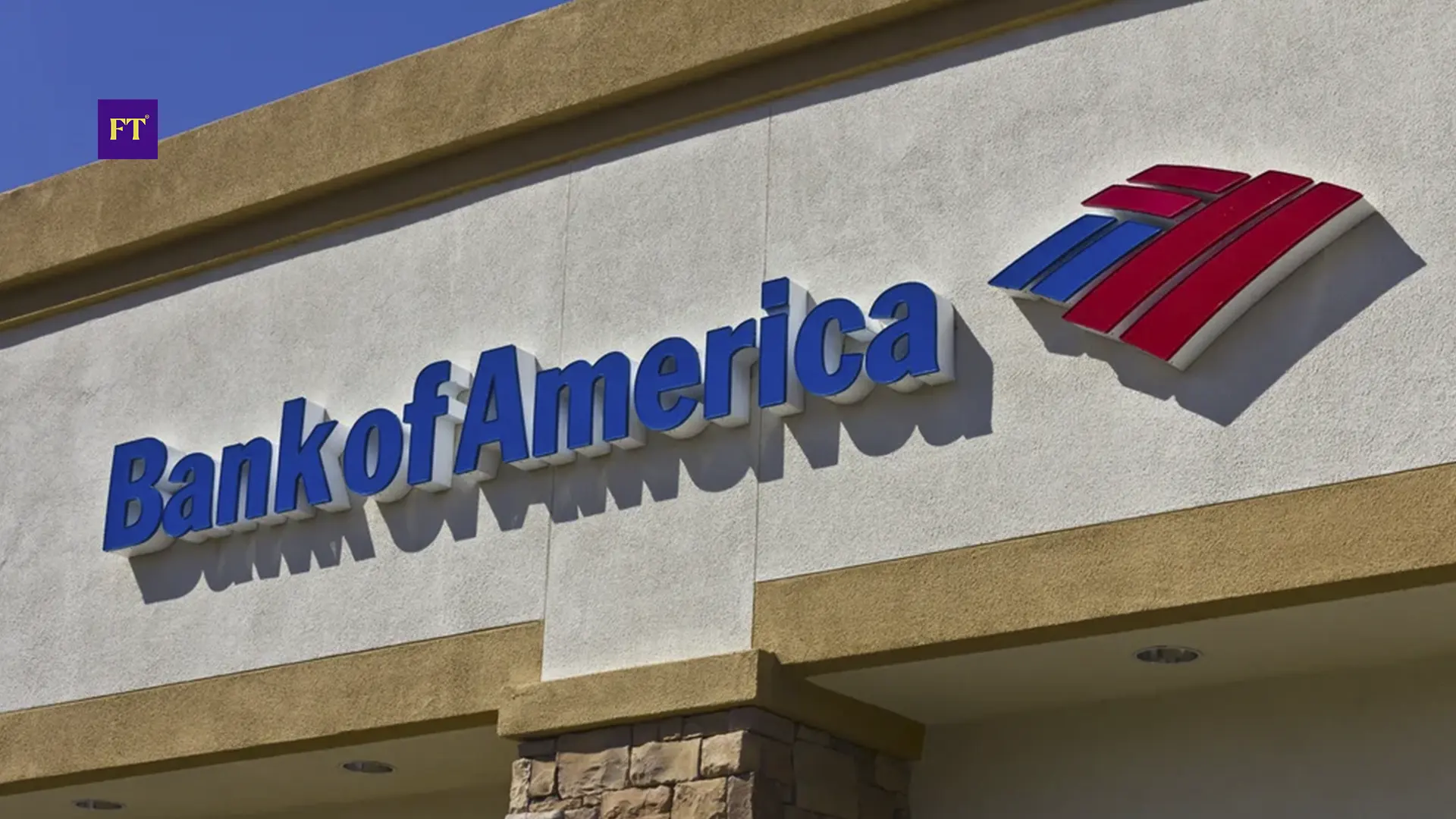
 Photo by FT
Bank of America
- Bank of America will run thousands of scam education sessions across the United States, called scaminars, delivered both in person and online to help people recognize fraud attempts in everyday communication channels like calls, texts, emails, and social media.
- The sessions will explain common scam methods such as impersonation, payment diversion, and digital deception tactics, including fake websites, email spoofing, and urgency-based messages designed to push quick financial action without verification.
- Supporting materials, interactive discussions, and reporting guidance will help participants identify suspicious activity, verify requests through official channels, and share fraud awareness, with sessions hosted through community centers, libraries, schools, and online platforms.
CHARLOTTE, N.C., June 15, 2026 — Bank of America will conduct thousands of scam education sessions across the United States to help individuals identify fraud attempts and understand how scams operate. These sessions, referred to as ‘scaminars,’ will be delivered in person and through online formats so more people can participate regardless of location.
The sessions will focus on everyday fraud situations that often begin with phone calls, text messages, emails, or social media contact. Many of these messages are designed to appear legitimate and can include branding or language that resembles official communication.
Facilitators will explain how fraudsters often create urgency to prompt fast responses. Participants will learn how pressure tactics are used to discourage verification and increase the likelihood of immediate action. The sessions also show how scams may be tailored to different individuals based on their digital habits and financial activity.
Community organizations, schools, libraries, and local partners will support the delivery of these sessions. This structure helps extend participation beyond regular banking customers and reaches individuals with limited exposure to digital financial tools.
Fraud Tactics and Common Scam Patterns Under Review
Impersonation and Payment Diversion Methods Examined: Bank of America will review impersonation scams where criminals pose as representatives of banks, government agencies, or trusted companies. These scams often request sensitive information such as account details, passwords, or verification codes.
Participants will learn how these messages are designed to appear credible. Fraudsters often use official-sounding language, familiar branding, and urgent instructions to reduce suspicion. Requests for secrecy or immediate action are common warning signs highlighted during the sessions.
Payment diversion scams are also covered. These involve attempts to change payment instructions so funds are sent to fraudulent accounts. Examples include altered invoice details or last-minute changes to banking information during transfers. Attendees are encouraged to confirm all payment instructions through verified channels before sending money.
Digital Deception Techniques Across Online Channels: The sessions also examine fraud activity across digital platforms such as email, messaging applications, and social media. Criminals often replicate the appearance of trusted organizations by copying logos, formatting, and writing styles.
Email spoofing techniques are explained, where sender addresses are altered to make messages appear legitimate. Fake websites are also reviewed, showing how fraudulent pages can closely resemble real banking or service websites while collecting personal information.
Bank of America explains that many scams rely on creating urgency through warnings such as account suspension or payment failure. These messages are designed to prompt quick responses without verification.
Participants are advised to avoid clicking links in unexpected messages and instead verify any request through official contact methods. The sessions emphasize checking details independently before taking action.
Public Education Materials and Reporting Guidance Introduced
Bank of America will provide supporting materials that extend learning beyond the sessions. These resources explain how to identify suspicious messages, verify requests, and respond when fraud is suspected.
The materials guide individuals to pause communication when something appears unusual and confirm details using official contact channels. They also explain how to save messages, call records, or emails that may be useful for reporting or investigation.
Reporting instructions are included so individuals know how to report suspected fraud. This includes contacting financial institutions directly and sharing relevant information with appropriate authorities when needed.
The materials also encourage participants to share what they learn with family members and peers. This is especially important for individuals who may have limited experience with online banking or digital communication tools.
Printed and digital formats are provided so users can revisit guidance whenever needed.
Digital Awareness Efforts Expand Across In-Person and Online Formats
The scam education sessions will be available through both physical and online formats. In-person sessions will be held in community centers, libraries, and partner locations. Online sessions will allow participation from individuals who prefer remote access or cannot attend in person.
Each session includes interactive discussions that present real fraud scenarios. Participants examine how scams often begin with simple messages and escalate into requests for money or sensitive information.
Facilitators explain how fraudsters adapt methods based on available communication tools. Messaging apps, email systems, and social media platforms are commonly used to distribute fraudulent content.
Some sessions also explore cases where multiple communication channels are used together. For example, a message may be followed by a phone call reinforcing the same false claim. Participants are encouraged to verify such claims independently before responding.
Real examples are used to show how fraudulent messages can closely resemble legitimate communication. This includes imitation of logos, tone, and formatting, which makes verification important.
Growing Focus on Public Education and Fraud Awareness
The expansion of scam education sessions reflects a wider effort to reduce fraud losses through public awareness. Education is used to help individuals recognize suspicious activity before financial damage occurs.
Bank of America continues to support repeated learning sessions across different regions. The program is designed so that new participants can access information at any time.
Fraud methods continue to evolve with changes in communication technology. Scams often shift between email, messaging platforms, and phone calls depending on what channels are available.
Offering both in-person and online sessions allows wider participation across different communities, including rural areas and individuals with limited access to physical venues.
Through continued outreach and education, the program supports individuals in identifying suspicious patterns, verifying requests through official channels, and responding appropriately when faced with potential fraud.
The scam education sessions will be available through both physical and online formats. In-person sessions will be held in community centers, libraries, and partner locations. Online sessions will allow participation from individuals who prefer remote access or cannot attend in person.
Related Topics
How Modern Banking and Payments are Changing Everyday Finance
From digital apps to online transfers, everyday banking is becoming faster, easier, and more accessible for everyone.
By

Paystack Reorganizes as It Expands Beyond Payments
The company handles transactions for over 300,000 merchants, many of whom have requested access to credit and other financial products.
By
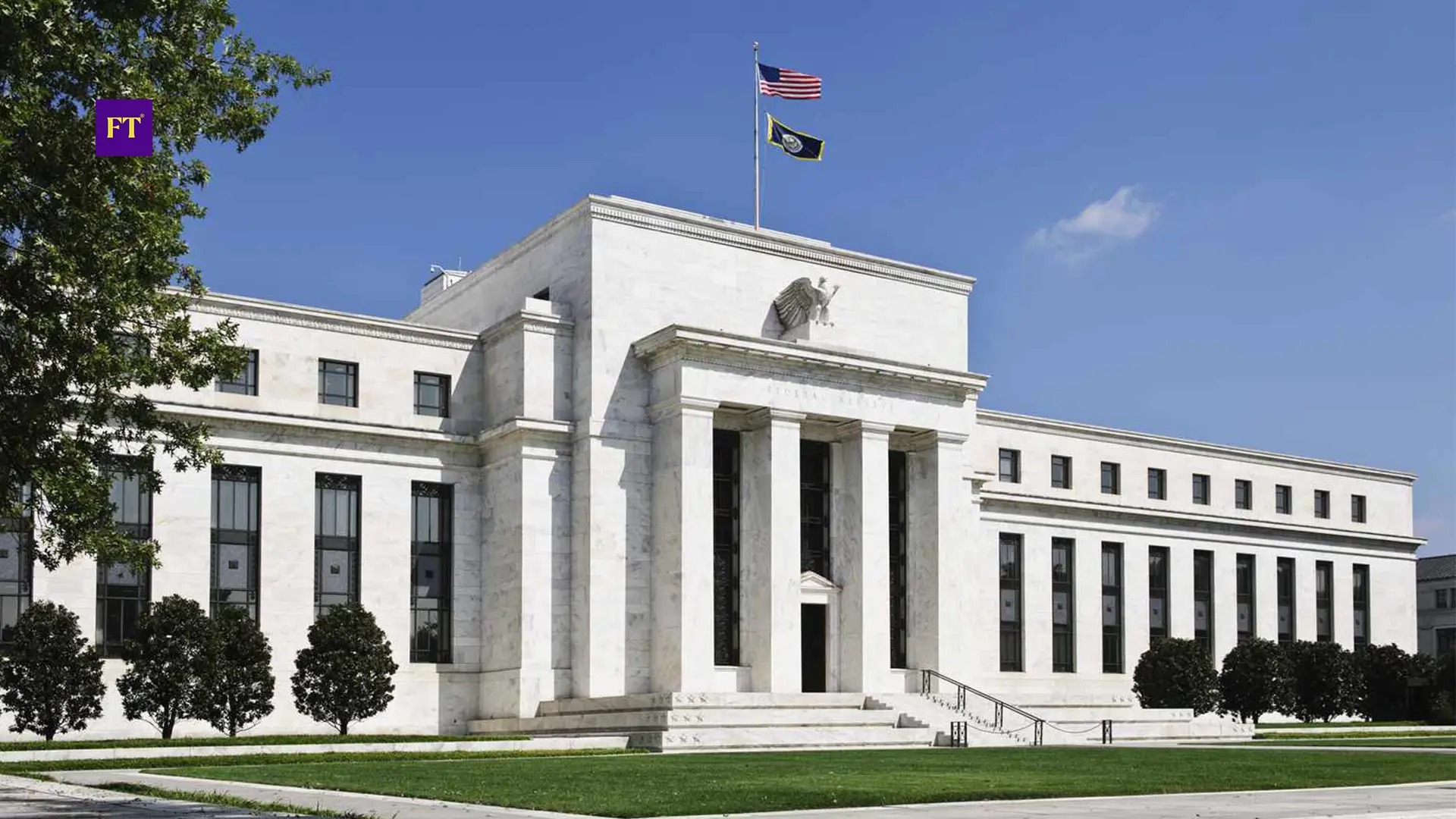
How the Federal Reserve Keeps U.S. Payments Moving
Reserve Banks act as a bank for other banks, offering services that allow financial institutions to operate efficiently. They distribute coins and notes, collect deposits, and return unpaid checks. By handling these transactions, the Federal Reserve helps banks provide services to their customers, including cash withdrawals, payroll deposits, and routine payments.
By
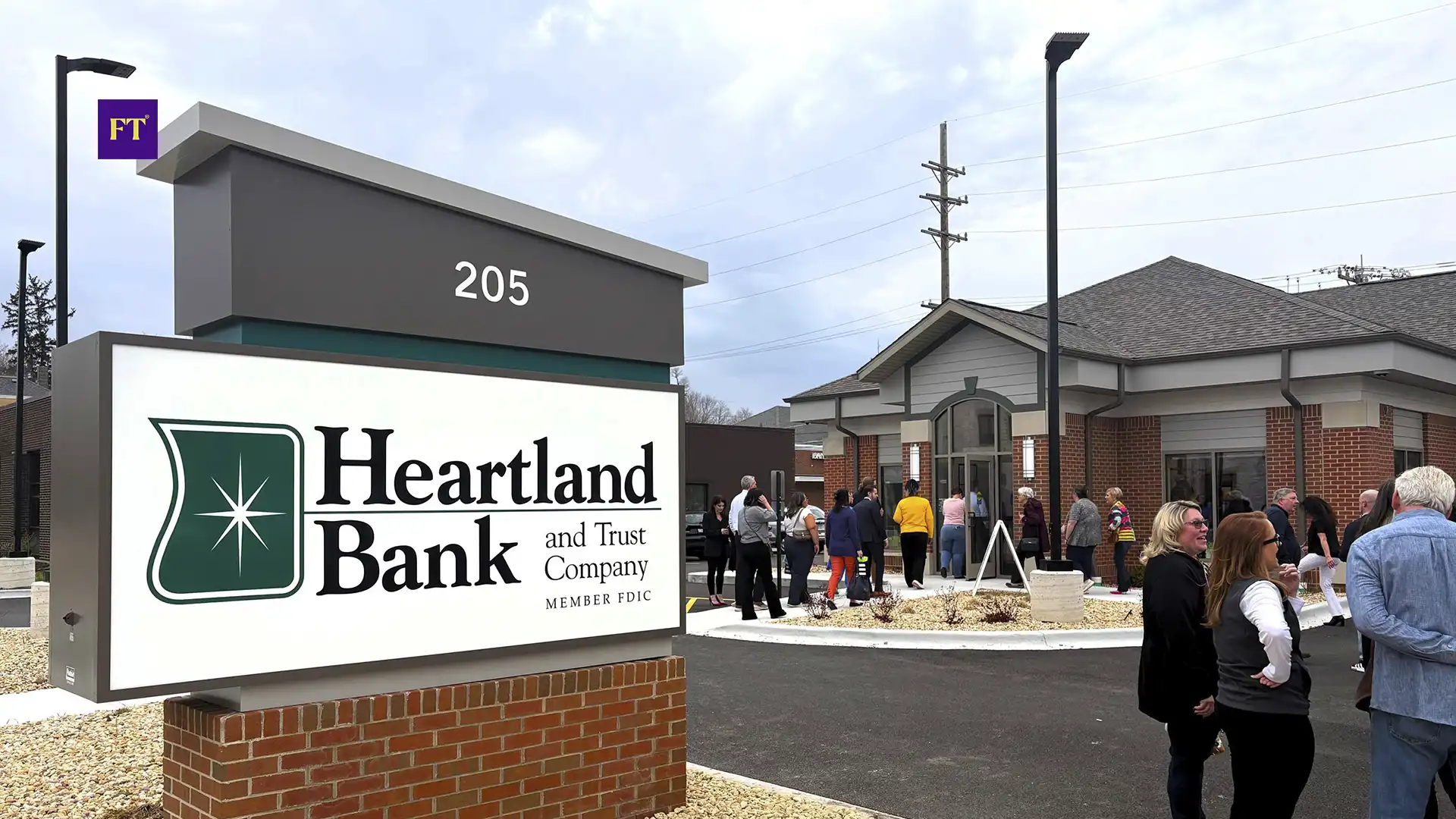
How Heartland Bank and Trust Builds on Generations of Trust and Service
The Illinois-based bank draws on more than a century of experience, providing individuals, families, and businesses with relationship-based banking and financial solutions.
By