
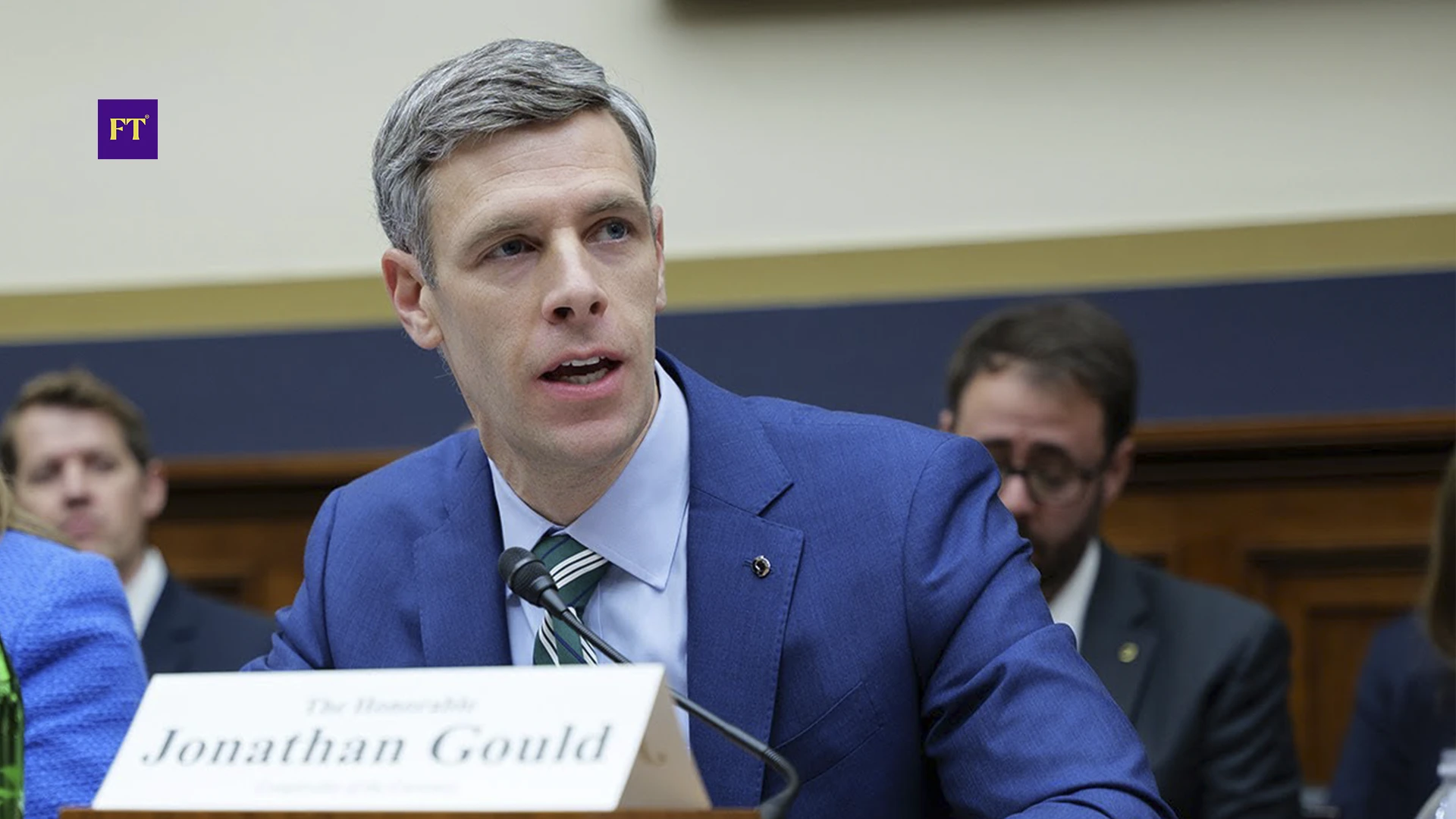
 Photo by FT
Photo credit: OCC
- Jonathan V. Gould outlined the OCC’s financial literacy efforts, focusing on consumer education, access to financial resources and responsible use of banking services.
- The OCC is providing financial education resources to help consumers understand financial products, manage finances and protect themselves from fraud risks.
- The agency highlighted the role of banks, including community institutions, in supporting financial literacy as digital banking services continue to evolve.
WASHINGTON, July 30, 2026 — The Office of the Comptroller of the Currency, or OCC, is promoting financial literacy efforts as consumers rely more on digital banking tools and financial services. Comptroller of the Currency, Jonathan V. Gould, discussed the agency’s initiatives during a Financial Literacy and Education Commission meeting, outlining efforts focused on consumer education, responsible innovation and access to financial resources. The discussion comes as technology continues to reshape how Americans manage money, access banking services and interact with financial institutions.
Digital banking has expanded access to financial services, allowing consumers to open accounts, conduct transactions and manage finances through mobile devices. However, the growth of digital platforms has also introduced new challenges, including more sophisticated scams and fraud attempts targeting consumers. The OCC said financial literacy helps individuals understand financial products, protect themselves from risks and make informed decisions about saving, borrowing and investing.
Digital Finance Creates New Opportunities and Risks
The expansion of digital financial services has changed how consumers engage with banks and manage their finances. Mobile banking applications, online platforms and digital payment tools have made financial services more accessible, but they also require consumers to understand security practices and recognize potential risks. The OCC has highlighted the importance of education as technology becomes more integrated into everyday banking activities.
The agency said financially informed consumers are better prepared to participate in the financial system and manage their financial responsibilities. Financial literacy programs provide individuals with information about account management, budgeting, saving, credit, and investment decisions. As consumers adopt new financial tools, education remains important in helping them understand available options and make responsible choices.
OCC Expands Financial Education Resources
The OCC provides financial education resources through HelpWithMyBank.gov, offering consumers information and assistance related to banking questions and concerns. The agency also shares educational materials with national banks and community banks while maintaining a Financial Literacy Resource Directory. These resources are designed to help consumers understand banking services, address account-related issues, and access reliable financial information.
Financial literacy has become an important priority as consumers encounter a wider range of financial products and services. The OCC works with financial institutions to encourage education programs that help individuals improve their understanding of saving, borrowing, and investing. Through these resources, the agency supports efforts to provide consumers with the knowledge needed to evaluate financial decisions and manage their financial goals.

Photo credit: OCC
Community Banks Support Consumer Education Efforts
Gould highlighted the role of community banks in advancing financial literacy efforts, noting that these institutions provide guidance and resources to families and small businesses. Community banks often maintain direct relationships with customers, allowing them to offer financial education based on local needs and individual circumstances. Their involvement helps consumers access information through trusted banking relationships.
The OCC also noted that federal regulators and industry participants recently held a roundtable with community banks, regional institutions, and other stakeholders to discuss financial literacy programs. The discussions focused on how banks are helping consumers understand financial concepts and access educational resources. Community banks also support individuals and businesses by providing information about financial management, lending options, and long-term planning.
OCC Focuses on Future Financial Literacy Needs
The OCC said younger generations are entering a financial system that is becoming more digital each year. As technology continues to influence banking services, financial institutions have an important role in providing educational resources that help consumers understand new financial tools and services. Gould said banks can support customers through financial literacy programs while working with members of the Financial Literacy and Education Commission, educators and other stakeholders.
The OCC’s financial literacy efforts reflect changing consumer needs as digital banking, mobile payments and online financial services become more common. While these technologies have expanded access to financial products, they have also increased the importance of understanding cybersecurity, fraud prevention and responsible financial practices. Through educational resources, partnerships with financial institutions and community outreach, the OCC continues to support efforts that help consumers develop the knowledge needed to make informed financial decisions.
Financial literacy has become an important priority as consumers encounter a wider range of financial products and services. The OCC works with financial institutions to encourage education programs that help individuals improve their understanding of saving, borrowing, and investing.
Related Topics

Financial Literacy Becomes a Graduation Requirement in 39 U.S. States as Standalone Economics Courses are Replaced by Personal Finance Mandates
While the expansion of personal finance education continues, questions have emerged about the reduced emphasis on standalone economics courses. Economics education traditionally covers broader topics such as market systems, public policy, inflation, employment trends, and national income.
By

Financial Literacy Shortfall Leaves Millions of Americans Exposed to Economic Strain, Says Milken Institute
Younger adults enter working life carrying student loans while also facing high housing costs and slow wage growth, creating financial realities that require immediate decision-making without strong prior preparation in personal finance.
By

City of Mobile Partners with Local Organizations to Host Financial Literacy Bootcamp
Money Moves events are designed to help residents improve their personal finances through guidance from local experts.
By
Financial Literacy Efforts by Small Banks Deserve Recognition
Montecito Bank & Trust has offered community financial education for more than two decades. The bank conducts workshops for both youth and adults, while bilingual programming helps make financial information accessible to wider audiences.
By