
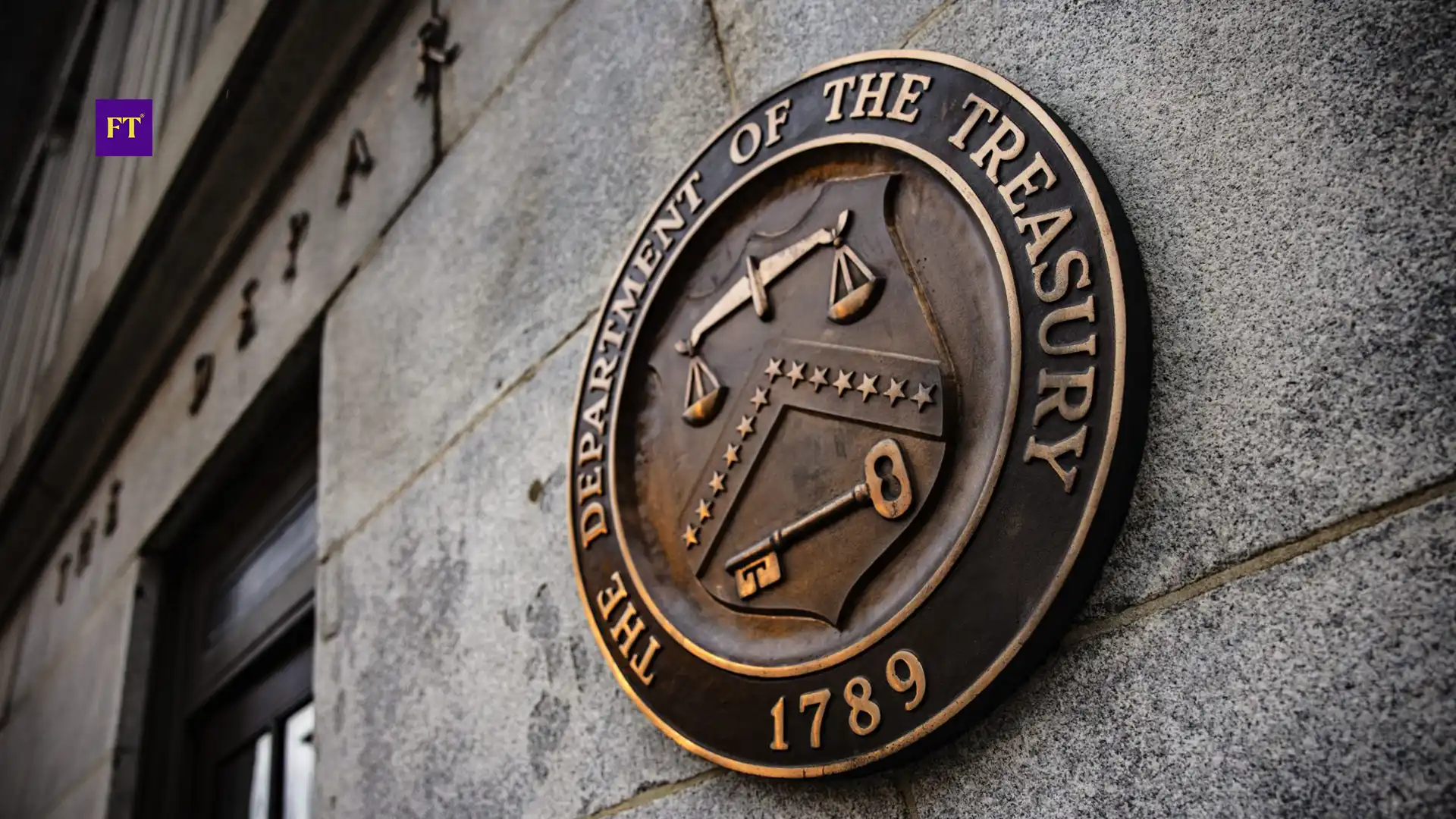
 Photo by FT
- The U.S. Treasury oversees federal finances, including revenue collection, government payments, and debt issuance, ensuring both government operations and the broader economy remain stable.
- It manages currency production, monitors financial integrity, and enforces safeguards against fraud, money laundering, and illicit transactions to maintain trust in the financial system.
- The department advises on economic and fiscal policy, shapes financial regulations, and engages globally to influence international markets and protect U.S. economic interests.
WASHINGTON, March 20, 2026 — The United States Department of the Treasury serves as the federal government’s chief financial steward, overseeing the nation’s funds while guiding economic strategy across domestic and international spheres. Established in 1789, the department manages everything from revenue collection and government payments to debt issuance and currency production. These responsibilities interconnect, creating a financial system that supports both government operations and broader economic activity.
Managing Federal Finances
A primary function of the Treasury is managing federal finances, which involves collecting revenue, making payments, and borrowing funds when necessary. These activities work together to keep government operations running smoothly and the broader economy stable.
Revenue Collection and Tax Administration: Through the Internal Revenue Service, the department collects taxes that fund public services, infrastructure, defense, and social programs. Efficient revenue collection ensures that federal agencies can operate without disruption while sustaining critical programs for citizens. The Treasury also monitors compliance and provides guidance to taxpayers, which supports transparency and public trust in government operations.
Payments and Borrowing: Payments form another core responsibility of the department. From Social Security and Medicare benefits to salaries for federal employees, the Treasury ensures obligations are met accurately and on schedule. When government spending exceeds revenue, the department borrows funds by issuing Treasury bills, notes, and bonds. These instruments provide necessary financing while offering reliable investment opportunities for domestic and international investors, helping maintain liquidity in financial markets.
Currency Production and Financial Integrity
The Treasury manages the nation’s currency through the Bureau of Engraving and Printing, which prints paper money, and the U.S. Mint, which produces coins. Maintaining a reliable supply of currency supports everyday economic activity, while modern financial systems increasingly rely on electronic transactions.
Beyond production, the department works to protect the financial system from illicit activity. Offices like the Financial Crimes Enforcement Network investigate money laundering, fraud, and other financial crimes. By enforcing these safeguards, the Treasury ensures trust in the financial system, which is essential for both consumers and global partners. Sanctions programs also allow the department to restrict transactions with certain foreign entities, supporting national security and foreign policy objectives.
Guiding Economic and Fiscal Policy
The Treasury advises the president on economic strategy, fiscal matters, and financial regulations, linking operational responsibilities with broader policy goals. Fiscal policy decisions, including taxation and government spending, shape economic performance over time. By providing analysis and recommendations, the department helps balance competing priorities such as economic growth, deficit management, and debt sustainability.
Financial regulations also fall within Treasury oversight. Working alongside other agencies, it contributes to rules governing banks and financial institutions to maintain stability while allowing markets to function efficiently. These regulations support economic activity while reducing risks that could threaten the broader system.
Engaging Globally
The Treasury represents the United States in international financial forums such as the International Monetary Fund and the World Bank. It coordinates with other countries on exchange rates, trade balances, and crisis responses, helping shape a stable global financial environment.
Through tools like the Exchange Stabilization Fund, the department can influence currency markets during times of disruption, maintaining stability in international finance. It monitors global trends and assesses risks, allowing U.S. policymakers to respond to shifting economic conditions while protecting national interests.
Oversight of Institutions and Systems
Financial institutions operate under Treasury oversight to ensure safety and soundness, reducing systemic risks. The department also manages government payment systems, handling trillions of dollars in transactions annually. From tax refunds to intergovernmental transfers, these systems are essential to the functioning of public finances.
Debt management remains a key function. Careful planning of Treasury security issuance allows the government to fund operations while minimizing borrowing costs. Analysts consider market conditions, investor demand, and economic indicators when determining how and when debt is issued.
By combining operational duties with policy guidance and international engagement, the Treasury maintains a framework that supports government functions and economic stability. Collectively, these responsibilities strengthen public trust, sustain financial operations, and influence both domestic and global economic conditions.
The department’s work demonstrates the intricate connections between government finances, economic policy, and international finance, reinforcing its role as a pivotal institution in the United States and the world.
The Treasury manages the nation’s currency through the Bureau of Engraving and Printing, which prints paper money, and the U.S. Mint, which produces coins. Maintaining a reliable supply of currency supports everyday economic activity, while modern financial systems increasingly rely on electronic transactions.
Related Topics
A Year After Its Release, Treasury’s Financial Inclusion Strategy Moves from Policy to Execution
The strategy presents financial inclusion as the result of how payment rails, benefits, credit and savings programs are structured and delivered, rather than as a set of policy statements.
By
How U.S. Treasury Anchors Federal Finances, Economic Policy, and Global Financial Stability
The Treasury represents the United States in international financial forums such as the International Monetary Fund and the World Bank. It coordinates with other countries on exchange rates, trade balances, and crisis responses, helping shape a stable global financial environment.
By

Workplace Finance Tools Gain Attention as Frontline Workers Seek Better Money Management
New research from workplace finance firm Stream suggests that financial literacy alone may not be enough for frontline workers, with access to suitable financial tools playing a larger role in savings behavior and money management.
By

Operation HOPE: First Quarter 2026 Survey Shows Economic Anxiety Remains High, But Financial Literacy Efforts Continue to Build Resilience
Online workshops and mobile learning tools have expanded access to financial education. These formats allow participants with limited time or travel options to take part.
By