
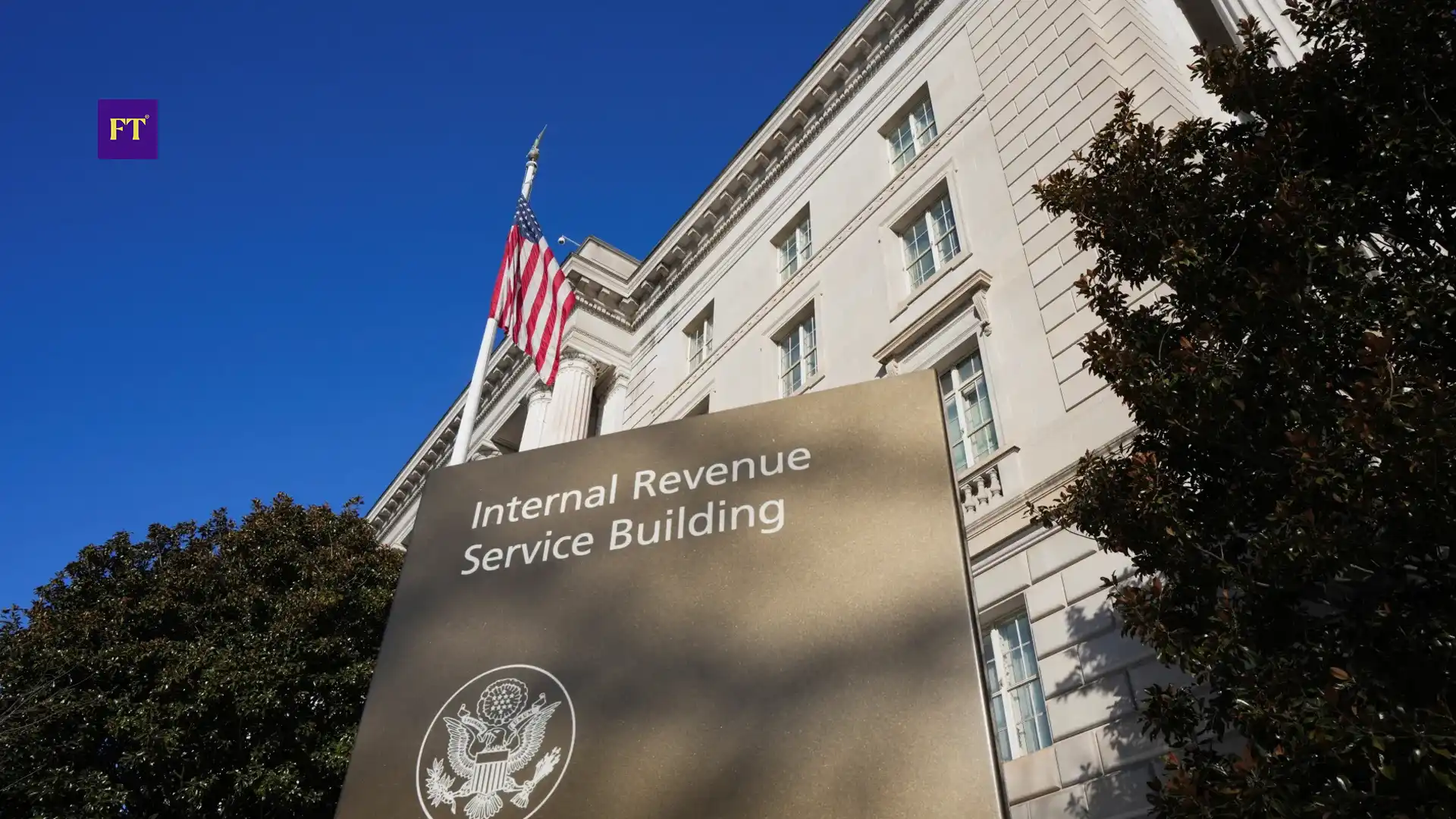
 Photo by FT
Retirement Security
- Financial illiteracy creates recurring monetary losses through avoidable interest payments, inefficient borrowing decisions, and missed opportunities to build savings, with effects that accumulate over time.
- Survey data from FINRA’s National Financial Capability Study shows that only a minority of US adults demonstrate consistent understanding of core financial concepts such as risk, debt mechanics, and basic investing principles.
- Differences in financial knowledge across age groups and demographic segments translate into uneven outcomes in retirement planning and long-term financial stability.
WASHINGTON, June 27, 2026 — Financial literacy in the United States is no longer a background educational concern. It functions as a core determinant of long-term financial outcomes, shaping how households manage debt, accumulate savings, and prepare for retirement. The evidence increasingly shows a widening separation between those who understand how money systems work and those who do not, with consequences that extend across decades rather than isolated financial moments.
Financial Illiteracy Leads to Compounding Monetary Losses
The scale of financial illiteracy in the United States is now measurable in direct economic terms. The National Financial Educators Council estimates that a lack of financial knowledge costs American adults an average of $948 each year, translating into billions in national losses. That figure reflects avoidable interest payments, inefficient borrowing decisions, and missed savings opportunities. In practical terms, it represents emergency funds that never materialize and credit card balances that expand because basic interest mechanics were not understood at the time of borrowing.
These losses accumulate over time, creating structural financial fragility rather than isolated setbacks. Small errors in financial judgment, repeated across millions of households, build into long-term weaknesses in retirement readiness and wealth formation.
The Knowledge Gap in the Data
Survey data from the Financial Industry Regulatory Authority (FINRA), covering more than 25,500 US adults, shows that only 27% of respondents correctly answered at least five of seven basic financial literacy questions. The majority of adults lack a consistent command of fundamental financial concepts that underpin everyday economic decisions.
One of the weakest areas is risk comprehension. Just 36% of adults answered risk-related questions correctly, despite risk being central to decisions involving insurance, borrowing, and investing. Without this understanding, individuals are more likely to take on obligations they cannot sustain or avoid financial products that could improve stability over time.
The gaps are uneven across demographic groups. The P-Fin Index reports that Black Americans scored 38%, Hispanic Americans 39%, White Americans 53%, and Asian Americans 55%. These differences reflect unequal access to financial education and historical disparities in wealth-building opportunities rather than differences in capacity.
Gender differences also persist. Men scored around 53% on average, compared with 45% for women. The gap extends into specific domains such as investing and saving, where differences are even more pronounced. Confidence levels follow a similar pattern, with many respondents reporting uncertainty about where to begin improving their financial knowledge.
Young Adults Face the Sharpest Strain
The most significant gap appears among younger adults. Gen Z respondents scored approximately 38% on the P-Fin Index, the lowest among all generations, compared with higher scores among Millennials, Gen X, and older cohorts.
This occurs despite widespread exposure to financial education. Around 82% of Gen Z respondents report having received some form of financial instruction. However, exposure does not appear to translate into retained understanding or applied decision-making ability.
Financial stress is particularly high in this group. Roughly 71% of Gen Z respondents report being negatively affected by financial stress. Many cite economic uncertainty as a barrier to planning, while others report being able to cover essential expenses but are unable to build savings for future goals. The result is a cycle of short-term financial management without long-term accumulation.
Higher education does not fully resolve the issue. Among recent graduates, only 43% feel confident explaining interest rates, 26% understand refinancing and debt repayment structures, and 23% fully understand their total debt obligations. These gaps sit directly within the student loan system, where individuals often take on debt without fully understanding repayment mechanics.
Financial Education Expands Unevenly Across States
Policy responses are increasing but remain inconsistent. In 2024, 35 states required high school students to complete at least one personal finance course, up from 23 states two years earlier. Despite this expansion, quality and depth vary significantly across regions.
Geographic disparities in outcomes remain visible. Some states consistently record higher financial literacy rates, while others remain significantly lower. These differences often align with early exposure to financial education and broader socioeconomic conditions.
Public support for reform is strong. A large majority of US adults support mandatory personal finance education in schools, and many express regret at not having received it earlier. Students currently in school show similar interest, particularly in learning how to manage spending, build savings, and avoid debt.
Where financial education is delivered effectively, outcomes improve measurably. Students with higher financial literacy are significantly more likely to save and comparison shop, behaviors that compound over time into stronger financial discipline.
Financial Knowledge Shapes Long-Term Outcomes
The difference between high and low financial literacy groups is most visible in everyday financial behavior. Individuals with stronger financial knowledge are more likely to spend less than they earn and maintain emergency savings. These two habits form the foundation of financial stability and reduce dependence on high-cost borrowing during financial disruptions.
Retirement planning shows one of the clearest divides. Only 39% of US adults report having engaged in any form of retirement planning. Participation in retirement accounts is significantly higher among college-educated individuals than among those without degrees, reflecting both income and knowledge differences.
Inflation periods further highlight the gap. Financially literate individuals are significantly less likely to pause retirement contributions during inflation, indicating a stronger understanding of long-term compounding versus short-term financial pressure.
At a national level, uncertainty around retirement remains widespread. More than two-thirds of adults express doubt about their ability to retire securely. While wider economic factors contribute to this concern, the data show that financial knowledge has a direct bearing on retirement preparedness.
Financial Knowledge is Driving Divergent Retirement Outcomes
The pattern emerging from the data is not one of isolated hardship but of widening divergence in financial outcomes tied directly to knowledge. Financial literacy determines how debt is used, how savings are built, and how retirement is planned, but it also determines whether individuals can interpret the financial systems they already participate in.
The result is an increasingly structural divide. One group of households accumulates financial buffers and long-term planning capacity. Another remains exposed to recurring financial shocks with limited ability to convert income into lasting security.
The boundary between these outcomes is shaped by education, access, and the ability to translate financial information into decisions. The evidence suggests that this boundary is becoming one of the most defining lines in the distribution of retirement security across the United States.
The scale of financial illiteracy in the United States is now measurable in direct economic terms. The National Financial Educators Council estimates that a lack of financial knowledge costs American adults an average of $948 each year, translating into billions in national losses.
Related Topics

How Americans Should Prepare for Retirement
Starting early and contributing consistently is the most effective way to build retirement savings. Compounding growth over decades can significantly increase the value of contributions.
By

401k Charity Rules Make Retirement Donations Less Direct Than Expected
Donor-advised funds allow contributors to take a tax deduction at the time of contribution, then recommend grants to charities over time. This separates the tax event from the charitable distribution and gives donors more control over timing.
By
How Workers Can Use a 401(k) and IRA to Build Retirement Savings
Workers without access to a workplace 401(k) can make tax-deductible contributions to a traditional IRA regardless of income.
By

What to Have Ready Before Filing for Social Security Retirement Benefits
A Social Security card or another record showing the applicant’s Social Security number is among the information used during the application process. The SSA may also request an original birth certificate, a copy certified by the issuing agency, or another acceptable record establishing the applicant’s age.
By