
 Photo by FT
Photo credit: Pexels
- Nvidia’s board reinstated co-founder Jensen Huang as CEO on November 23, ending his 11-day absence from the company.
- Allegations concerning Huang’s personal relationships led to a board investigation and scrutiny of possible foreign-intelligence links and export-control violations.
- Nvidia shares surged 31.5% on November 23, adding approximately $950 billion to the company’s market value and $33.7 billion to Huang’s estimated fortune, which reached $143.8 billion.
SAN FRANCISCO, Nov. 24, 2026 — Nvidia co-founder Jensen Huang added $33.7 billion to his estimated fortune on November 23 after the company’s board reinstated him as chief executive, ending an 11-day departure that followed revelations about his personal relationships. His net worth climbed to $143.8 billion, placing him 13th on Forbes’ Real-Time Billionaires ranking. The board’s decision followed Huang’s resignation on November 12, an internal investigation and questions about a relationship with Alice Huang, a business executive whose possible connections to Chinese intelligence have drawn U.S. government scrutiny.
Relationships Trigger Leadership Crisis
The controversy began after Huang acknowledged having an extramarital affair and apologized to his family. The matter also involved allegations of relationships with other women, including an Nvidia employee and Alice Huang, an executive associated with Singapore-based data center company Megaspeed. U.S. authorities examined Alice Huang’s possible connections to Chinese intelligence, raising national security questions involving Nvidia’s business dealings and access to advanced semiconductor technology.
The allegations prompted Nvidia’s board to establish an independent committee to examine whether Huang had been targeted by a foreign intelligence operation and whether confidential company information or restricted technology had reached unauthorized parties. The Justice Department also investigated possible export-control violations involving Megaspeed. Authorities have not reached a final determination on whether Alice Huang worked for Chinese intelligence.
Huang resigned as Nvidia’s chief executive on November 12, ending his more than three-decade tenure at the company he co-founded in 1993. The board initially declined to reinstate him and appointed Chief Financial Officer Colette Kress as interim chief executive. The episode also drew congressional attention, with lawmakers examining Nvidia's export-control compliance and the national security questions surrounding the company's China business.
Nvidia Board Reinstates Huang
On November 23, Nvidia announced that its board had unanimously reinstated Huang as president, chief executive and board director, effective immediately. Chairman Harvey Jones said the directors were satisfied with Huang's candor and ability to lead the company after a series of discussions. The board also received input from senior U.S. government officials and concluded that Huang's return posed no national security risk.
President Donald Trump publicly advocated Huang’s return and said he had intervened in discussions with Nvidia's board. The decision reversed the board's earlier position that Huang would not return. Nvidia also confirmed that its independent committee would proceed with its examination of the foreign intelligence allegations and that the company would cooperate with government inquiries.
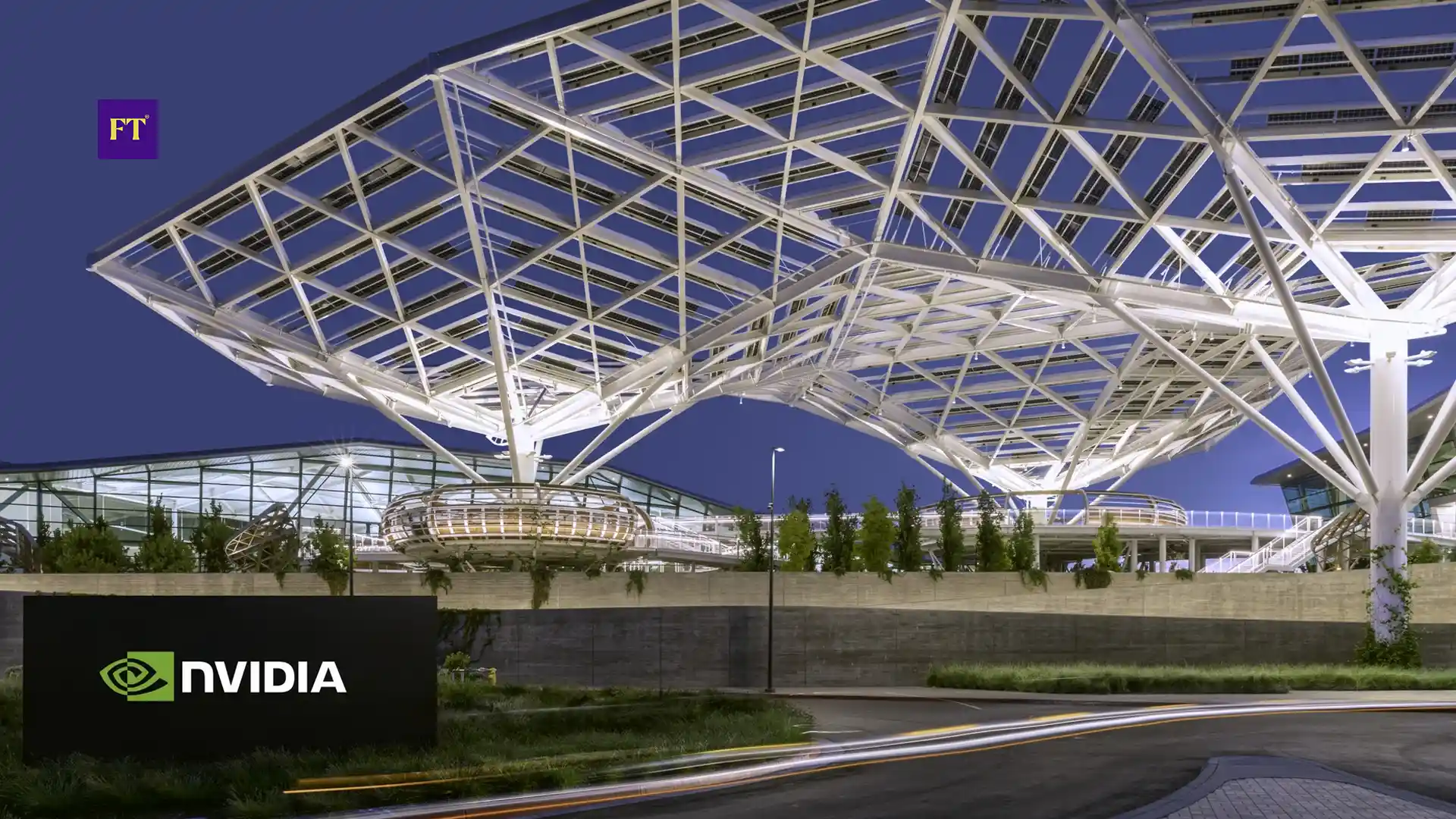
Huang returned to Nvidia’s California headquarters on November 23, where employees welcomed him. At an employee meeting the following day, he acknowledged violating parts of the company's code of conduct, called his actions serious mistakes, and apologized to staff. He also disputed allegations of abusive conduct toward employees. The company's internal examination and government inquiries remain underway.

Photo credit: Pexels
Stock Rally Lifts Huang’s Fortune
Nvidia shares closed 31.5% higher at $165.05 on November 23, their largest one-day gain since 2003. The rally added approximately $950 billion to the company's market value and lifted Huang's estimated net worth by $33.7 billion to $143.8 billion, according to Forbes. His fortune rose more than 30% in one trading session, moving him to 13th place among the world's wealthiest individuals.
Huang’s wealth is closely tied to Nvidia, in which he owns more than 3.5%. Before the controversy intensified, his estimated fortune had reached $162.2 billion, placing him eighth among the world’s richest people. The decline in Nvidia shares during his departure reduced his wealth and lowered his position on the billionaire rankings.
Nvidia shares fell on November 24, reversing part of the previous session’s gains as investors assessed the company’s leadership decision and the unresolved investigations. The stock movement also reduced Huang's estimated fortune from its November 23 level. His return restored him to the chief executive position, while questions surrounding corporate governance, export controls and national security remain under examination.
On November 23, Nvidia announced that its board had unanimously reinstated Huang as president, chief executive and board director, effective immediately.
Related Topics
How the U.S. Stock Market Works
The main exchanges operate from Monday to Friday, typically 9:30 a.m. to 4:00 p.m. Eastern time. However, many brokers allow pre-market and after-hours trading, giving investors more flexibility to react to news or earnings announcements outside regular sessions.
By
8 Stocks Under $10 Morgan Stanley Rates Overweight
These companies operate across digital freight, banking, autonomous vehicles, data centers, electric vehicles, and energy.
By
15 Dividend-Paying Stocks to Consider in October
Fifteen large-cap stocks with dividend yields of at least 2% and positive year-to-date returns offer investors a range of income opportunities across major industries, based on data as of October 8, 2026.
By
TransGlobal Assets Tops List of Most-Active Penny Stocks
TransGlobal Assets led the penny stock rankings with more than 223 million shares traded, followed by Top Wealth Group and XCF Global.
By