
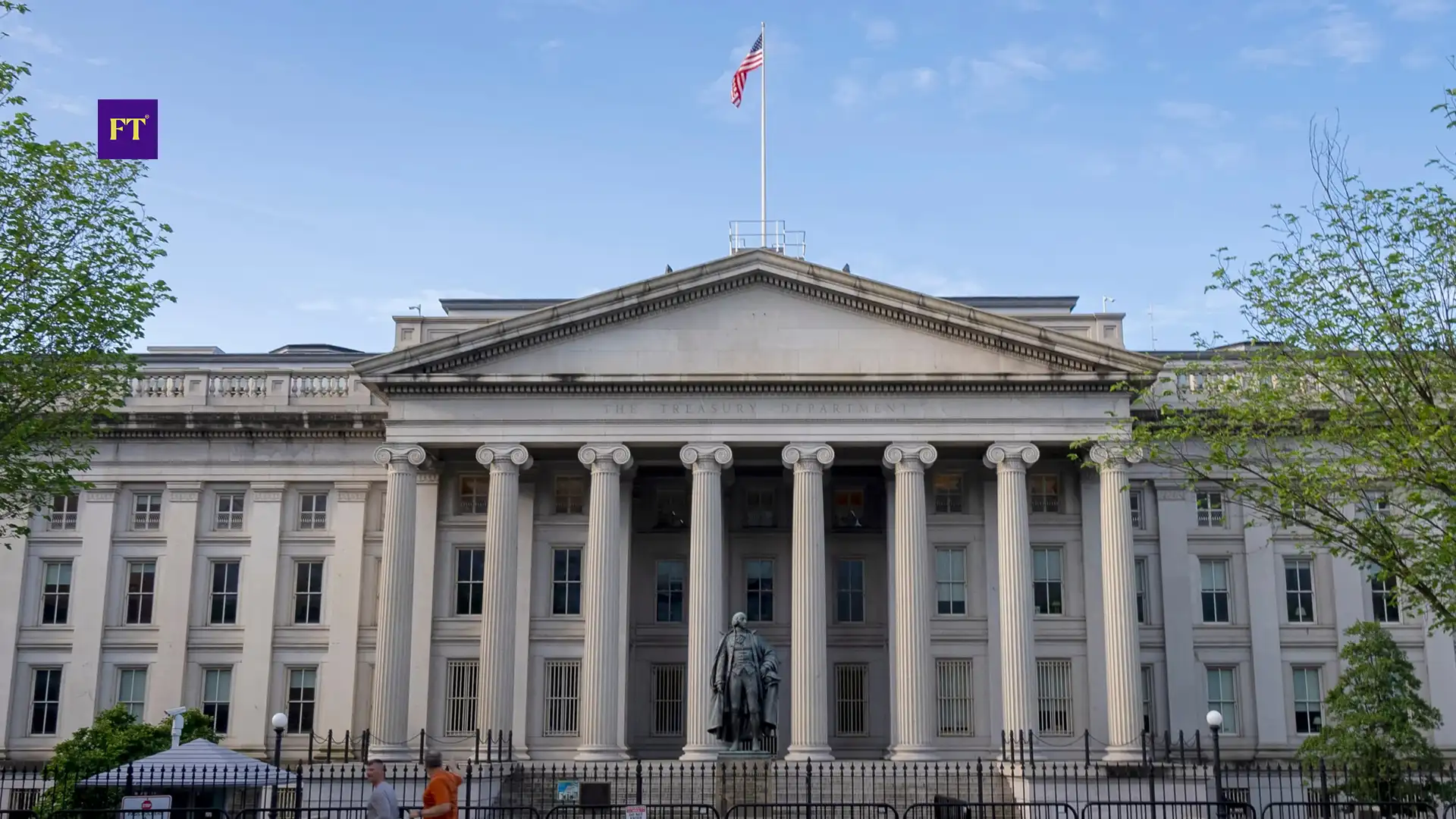
 Photo by FT
Photo credit: Pexels
- Investors can buy U.S. Treasury securities directly through TreasuryDirect, through brokerage accounts or through mutual funds and ETFs that hold government debt.
- Treasury bills, notes and bonds differ in maturity periods, interest payments and purchase terms, while secondary-market prices and fund structures affect potential returns.
- Interest-rate risk, inflation, taxes and liquidity restrictions are important considerations when choosing Treasury securities and matching maturities to future cash needs.
WASHINGTON, Oct. 30, 2026 — U.S. investors can buy Treasury securities directly from the federal government, through brokerage accounts, or through funds that hold government debt. Each option has different maturity terms, tax treatment, and investment risks.
Buying a U.S. Treasury bond means lending money to the federal government. In return, investors receive interest payments every six months and recover the bond’s face value at maturity. Treasury bonds have fixed interest rates, so the scheduled payments remain the same throughout the bond’s term.
Treasury bills and notes have different maturity periods and payment structures. Bills mature in one year or less and pay no periodic interest. Instead, investors buy them below face value and receive the full face value at maturity. Notes pay interest every six months, like bonds, but have shorter maturities.
Treasury securities are backed by the full faith and credit of the U.S. government, which has never defaulted on its debt. That backing makes them among the safest investments in terms of repayment. However, it does not protect investors from losses if they sell before maturity. Bond prices fluctuate as interest rates change, while inflation can reduce the purchasing power of interest payments and principal.
“Treasuries can't default, but they can lose money,” says Jeff Judge, a CFP and managing partner at Chesapeake Financial Planners in Forest Hill, Maryland. “Most investors learn that the hard way.”
Investors have three main ways to buy Treasury securities: through the Treasury Department’s TreasuryDirect website, through a brokerage account or through mutual funds and exchange-traded funds (ETFs) that hold Treasuries. The choice depends on whether an investor wants to own individual securities until maturity, trade them before maturity or invest in a fund holding a portfolio of government debt.
Treasury Bills, Notes and Bonds
The U.S. Treasury issues securities with different maturity periods. Treasury bills, notes, and bonds differ in their terms and how investors receive returns.
Treasury bonds: These securities mature in 20 or 30 years and pay interest every six months. The minimum purchase amount is $100.
Treasury notes: These securities mature in two, three, five, seven, or 10 years and pay interest every six months. The minimum purchase amount is $100.
Treasury bills: These securities mature in four to 52 weeks. They do not pay periodic interest. Instead, investors buy them for less than their face value and receive the full face value at maturity. The minimum purchase amount is $100.
Investors can sell any of these securities before maturity. The sale price depends on prevailing interest rates and demand for the security. Depending on the purchase price and the market price at the time of sale, an investor may receive more or less than the original amount paid.
“Selling early is how Treasury investors lose money,” says Judge.
Buying Through TreasuryDirect
TreasuryDirect is the federal government’s online platform for purchasing and managing Treasury securities. Investors can open an account, buy securities at Treasury auctions, and hold them until maturity.
The account login process has changed. The Treasury Department began moving users to ID.me verification in September 2026. The previous login method remained available through Oct. 28, 2026. After that date, ID.me became the only online login method.
Missing the deadline does not mean an investor loses Treasury holdings. However, account holders who have not linked their accounts to ID.me cannot sign in online, make new purchases or set up new reinvestments. They can restore online access by completing ID.me verification and linking their TreasuryDirect accounts. Existing reinvestments remain in place. Account holders who do not have online access can still manage their accounts through paper forms.
The setup process requires personal identification and financial details. Users need their Social Security number, contact information, and banking details. ID.me verification requires identity documents, including a Social Security number and a valid government-issued photo ID, such as a driver's license, state identification card or passport. Users may also be asked to verify their identity through a phone camera.
Once the account is active and linked to ID.me, investors can purchase Treasury securities directly from the federal government through scheduled auctions.
How Treasury Auctions Work
The Treasury Department regularly auctions new securities. Individual investors using TreasuryDirect submit noncompetitive bids, agreeing to accept the yield or discount rate established at the auction rather than specifying the return they want.
Noncompetitive bidders receive the full amount requested, subject to the applicable auction limits and rules. The final price and yield are not known until the auction concludes. For Treasury notes and bonds, the interest rate is determined through the auction process. Treasury bills are issued at a discount, with the discount rate determined at auction.
The purchase process involves several steps:
1) Review the auction schedule. Check the Treasury Department’s auction schedule for upcoming offerings and their bidding deadlines.
2) Select the security. Choose the 20-year or 30-year Treasury bond.
3) Select Buy Direct. Sign in to TreasuryDirect and choose the option to purchase the security directly.
4) Enter the purchase amount. Purchases must be made in increments of $100.
5) Submit the order. Complete the noncompetitive bid before the auction deadline.
6) Review the pending purchase. After submitting the order, check Current Holdings under Pending Purchases and Reinvestments.
7) Fund the purchase. Make sure the linked bank account has enough money by the security’s issue date.
8) Check the completed purchase. After settlement, the Treasury security will appear in the account’s holdings.
Investors should review the auction schedule and submission deadline before placing an order. The final yield and purchase price become available after the auction concludes.
Buying Through a Brokerage
Investors can also purchase Treasury securities through brokerage firms such as Fidelity, Charles Schwab, and Vanguard. Brokerage accounts provide access to new Treasury issues as well as previously issued securities traded in the secondary market.
The secondary market allows investors to buy and sell Treasuries after their original issuance. Unlike a Treasury auction, where investors accept the yield established at the auction, secondary-market purchases take place at current trading prices. Those prices reflect prevailing interest rates, the bond’s remaining maturity, and demand from buyers.
When comparing previously issued bonds, investors should pay particular attention to yield to maturity (YTM), rather than relying only on the coupon rate. The coupon rate determines the interest payments based on the bond’s face value. YTM accounts for the purchase price, scheduled interest payments, and the amount the investor receives at maturity, assuming the bond is held until then.
“The bond yield is the more relevant interest rate to look at to determine the bond's value,” says Jim Barnes, senior vice president and director of fixed income at Bryn Mawr Trust.
A Treasury security may trade above or below its face value, also known as par value. A bond purchased at a discount costs less than its face value, while a bond purchased at a premium costs more. The difference between the purchase price and the amount repaid at maturity affects the investor’s total return. The coupon rate itself does not change when a bond trades at a different price.
“Pay more than par, and you earn less than the coupon suggests,” says Judge. “Pay less, and you earn more.”
Investors buying through a brokerage should compare the bond’s price, coupon rate, yield to maturity and maturity date before placing an order. These details determine the interest income and the amount the investor may receive at maturity.

Photo credit: Pexels
Treasury Mutual Funds and ETFs
Investors who prefer not to select individual bonds can buy mutual funds or ETFs that hold Treasury securities. These funds pool money from investors and use it to purchase a collection of government bonds. Shares are available through brokerage accounts.
Treasury funds differ by maturity and duration. Some hold short-term securities, while others invest in longer-dated bonds. Short-duration funds generally have less exposure to interest-rate changes than funds holding longer-maturity securities.
Conventional Treasury ETFs do not have a maturity date. They regularly replace securities as bonds mature and add new Treasurys to the portfolio. Investors therefore do not receive the face value of their original investment on a set maturity date. Instead, the fund’s share price changes with the market value of its holdings.
“An ETF has no maturity date,” he says. “The fund keeps rolling into new bonds, so its price moves with rates every day and your principal never ‘comes home’ at par.”
Target-maturity Treasury ETFs operate differently. These funds hold bonds with a designated maturity year and are structured to wind down in that year. They give investors a fund-based option with a stated end date, unlike conventional Treasury ETFs that continue replacing their holdings.
Interest-rate sensitivity matters when choosing a Treasury fund. Funds holding longer-duration securities generally experience larger price changes when interest rates move than funds holding shorter-duration securities.
Investors should also review a fund’s expense ratio, which represents its annual operating costs as a percentage of assets. Distributions can change as the fund’s holdings mature and are replaced with new securities.
“The ETF wins on convenience – easy to trade, easy to hold in an IRA,” says Judge. “But TreasuryDirect wins on certainty.”
Federal and State Taxes
Interest earned on individual Treasury securities is subject to federal income tax but exempt from state and local income taxes. This tax treatment can matter to investors who live in states that levy income taxes.
Distributions from Treasury mutual funds and ETFs may receive similar state and local tax treatment, depending on the fund’s holdings and the tax rules in the investor’s state. The portion of a fund’s income that qualifies for the exemption can vary.
Federal income tax is due on Treasury interest each year, even when investors reinvest the payments rather than take them as cash. Investors should account for this annual tax obligation when comparing Treasury securities with other investments.
Risks of Treasury Investing
Treasury securities carry little credit risk because the federal government backs their principal and interest payments. However, investors still face interest-rate risk, inflation risk, and liquidity restrictions.
Interest-rate risk: Treasury prices generally move in the opposite direction from interest rates. When rates rise, prices of existing bonds usually fall because newly issued securities may offer higher yields. When rates fall, existing bonds with higher coupon payments may become more valuable.
The effect is generally greater for longer-maturity securities. A 30-year Treasury bond is more sensitive to interest-rate changes than a short-term Treasury bill. Investors who sell long-dated bonds before maturity may therefore face larger price losses.
“Longer-maturity bonds will have more price risk and the potential for greater losses in a rising interest rate environment,” says Barnes.
Judge recalls a client who bought long-dated Treasury securities before interest rates climbed in 2022. The client later needed money for a home repair and sold the bonds before maturity.
“The price fell, and he sold the Treasurys to fund a home repair,” says Judge. “Losses locked in. If he’d held to maturity, he’d have gotten his principal back – he just couldn't wait that long.”
Inflation risk: Treasury securities with fixed interest payments may lose purchasing power when inflation rises. Even when investors receive every scheduled payment, the money may buy less than it did when the bond was purchased.
Liquidity restrictions: Investors cannot sell Treasury securities directly through TreasuryDirect. They must first transfer their holdings to a brokerage account to sell them in the secondary market.
Newly purchased marketable securities must remain in TreasuryDirect for at least 45 calendar days after their issue date before they can be transferred, or for the security’s term if it is shorter. Investors who may need access to their money before maturity should account for this restriction when deciding where and how to buy Treasuries.
Matching Maturities to Cash Needs
The choice between individual Treasury securities and funds depends on when investors expect to need their money and how they plan to manage interest-rate risk.
Investors who want a specific repayment date can buy individual Treasury bills, notes, or bonds and hold them until maturity. Those who want to trade securities through a brokerage account can use the secondary market. Mutual funds and ETFs provide access to a portfolio of Treasuries, but conventional funds do not return principal on a fixed maturity date.
Judge recommends matching bond maturities to expected cash needs rather than buying long-dated securities without considering when the money may be required.
“Match maturities to when you need cash,” he says. “Or, build a bond ladder so some bonds mature every year.”
A bond ladder spreads investments across securities with different maturity dates. When individual bonds mature, investors receive their principal and can use the money or reinvest it. This structure provides scheduled access to funds and may reduce the need to sell securities before maturity.
Investors should compare TreasuryDirect purchases, brokerage-held securities, and Treasury funds based on their investment horizon, tax situation, liquidity needs, and tolerance for price fluctuations. Understanding the differences among these options can help investors select Treasury securities that fit their financial plans.
The ETF wins on convenience – easy to trade, easy to hold in an IRA. But TreasuryDirect wins on certainty.
Note: The quotations used in this article were sourced from U.S. News & World Report and are reproduced verbatim.
Related Topics
U.S. Treasury Market Sees Volatility as Yields and Policy Expectations Shift
Government bonds have remained sensitive to incoming data, particularly indicators tied to growth and inflation. That sensitivity has shaped price action in both short and long maturities, while reinforcing a more cautious tone among investors.
By

Why Investors Turn to U.S. Treasury Bonds for Long-Term Security
Investors often consider Treasury Bonds for extended financial goals because interest payments and principal repayment are clearly defined.
By