
 Photo by FT
Photo credit: gov.ca.gov
- Students will learn about 401(k) plans, IRAs, stocks, bonds, mutual funds, and index funds.
- Fresno Unified has offered personal finance classes since 2023, with high student engagement.
- Next Gen Personal Finance counts 30 states that have committed to guaranteeing personal finance education.
SACRAMENTO, Calif., August 25, 2026 — California is adding financial education to the high school curriculum, giving students a structured introduction to money management before they enter college, the workforce or other postsecondary paths. Legislation passed in 2024 and now being implemented makes California the 26th state to require a stand-alone personal finance course for public high school students, including those attending charter schools.
The requirement calls for a one-semester course to be in place by fall 2027. Students will study 13 areas of personal finance, covering subjects that can influence their finances long after graduation. Banking, credit, loans, taxes, investing, insurance, budgeting, and fraud prevention will all form part of the coursework.
Money Lessons Before Adulthood
The curriculum will address financial decisions students are likely to encounter as they begin managing money on their own. Banking lessons will cover savings and checking accounts and ways to minimize fees, while credit instruction will explain the relationship between debt, interest, and credit scores. Students will also learn about loans and income taxes, including how to read tax forms and pay stubs.
Investing and wealth-building lessons will introduce tax-advantaged retirement options such as 401(k) plans and IRAs, alongside stocks, bonds, mutual funds and index funds. Insurance, scams, fraud and identity theft prevention will also be covered. Budgeting will teach students how to create budgets and track expenses, while the curriculum will address ways to finance college, workforce education, low-cost community college programs, career technical education and apprenticeships.
California Districts Already Teaching Finance
Some school districts have already introduced financial literacy lessons rather than waiting for the statewide requirement. Fresno Unified, California’s third-largest school district, began offering personal finance education in 2023, and the courses have become some of its most sought-after electives. Teachers involved in the rollout have reported high student engagement, with lessons covering retirement plans, savings, budgeting and credit scores ranking among those students have found particularly meaningful.
The early response provides an indication of demand for personal finance education in classrooms. Rather than treating money management as an optional subject, districts such as Fresno Unified have incorporated it into the educational experience and given students time to explore financial decisions before they become responsible for them. The district’s experience also provides an example of how schools can introduce these lessons before statewide implementation reaches every public high school.

Photo credit: gov.ca.gov
Preparing Students for Financial Decisions
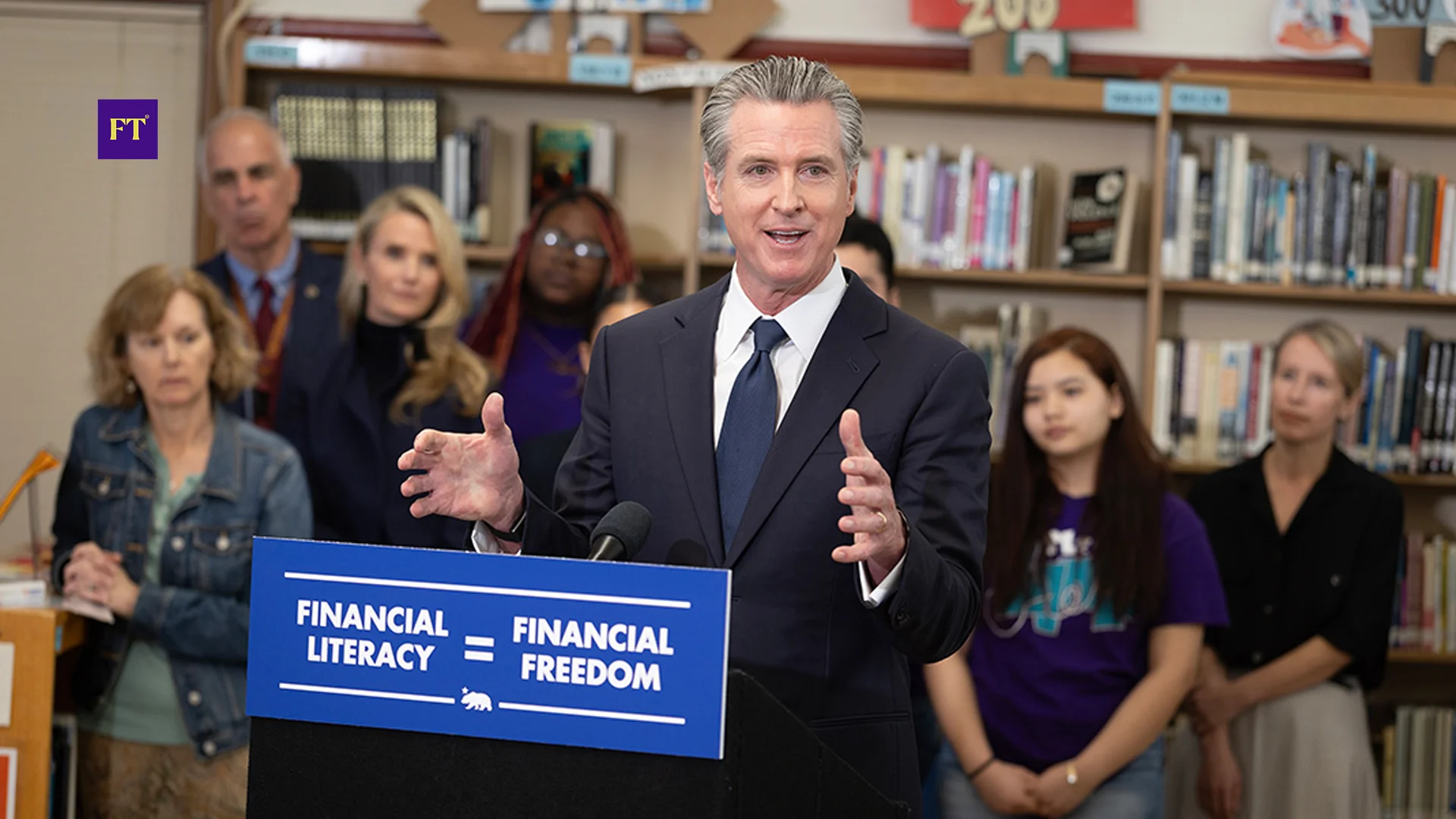
California Governor Gavin Newsom has described financial education as an essential part of preparing young adults for life after high school. “Saving for the future, making investments, and spending wisely are lifelong skills that young adults need to learn before they start their careers—not after,” Newsom said. The statewide requirement reflects a growing effort across the U.S. to give students formal instruction in personal finance.
Next Gen Personal Finance, a national nonprofit that advocates for financial literacy education, has supported California’s initiative and provides online courses for students and educators. The organization’s Mission 2030 Fund supports thousands of educators nationwide. Its state dashboard counts 30 states that have agreed to guarantee personal finance education for students, with 11 states having fully implemented their requirements and 19, including California, still completing implementation.
From Classroom Lessons to Lifelong Skills
California’s requirement places personal finance alongside other subjects students study before graduation, giving every public high school student access to instruction on everyday financial matters. The one-semester course will cover subjects ranging from opening bank accounts and managing credit to understanding taxes, evaluating loans and beginning to think about retirement savings. The breadth of the curriculum reflects the range of decisions young adults face after high school.
Students may enter college, pursue workforce education, begin an apprenticeship or enter employment directly, with each path bringing different financial considerations. Understanding education costs, budgeting and sources of funding can help students assess those choices with more knowledge. For California schools, the fall 2027 deadline provides time to prepare courses and educators for statewide implementation. Districts that have already introduced financial literacy programs offer an early indication of how students may respond once the requirement reaches every public high school. With states across the country adopting or implementing similar requirements, financial literacy is becoming a more established part of high school education, giving California students lessons on saving, spending, borrowing, investing, and protecting personal information before they enter adult financial life.
Legislation passed in 2024 and now being implemented makes California the 26th state to require a stand-alone personal finance course for public high school students, including those attending charter schools.
Related Topics

Chime Rolls Out Financial Education Series on Trump Accounts
Chime breaks down contribution limits, withdrawal conditions, and tax treatment variations depending on usage and eligibility, helping users distinguish between general savings accounts and purpose-specific instruments.
By
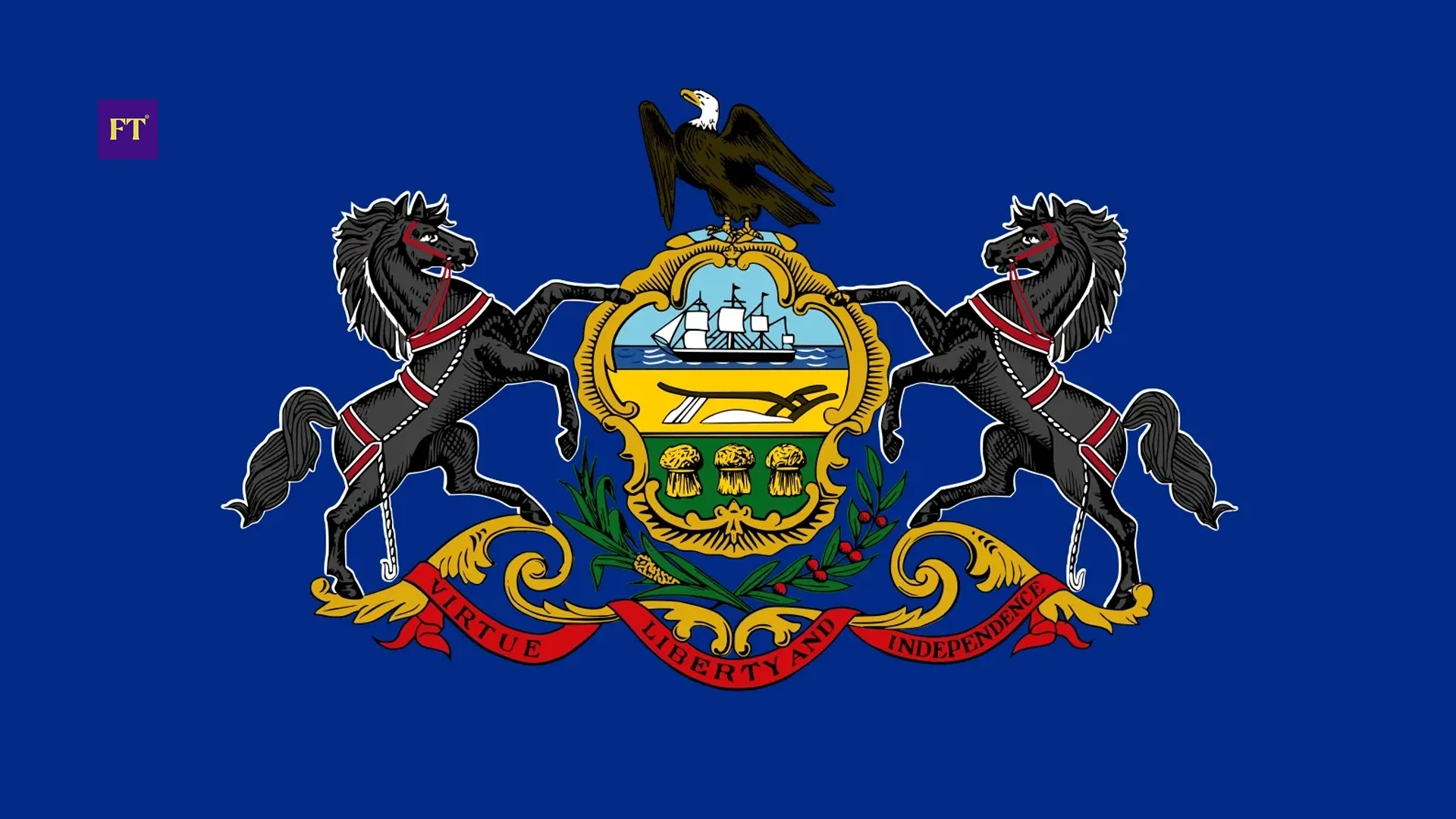
All Pennsylvania Schools Will Be Required to Implement a Mandatory Personal Finance Course: PDE
The state’s new mandate gives students a foundation in money management, credit, borrowing, and other financial matters before they leave high school.
By
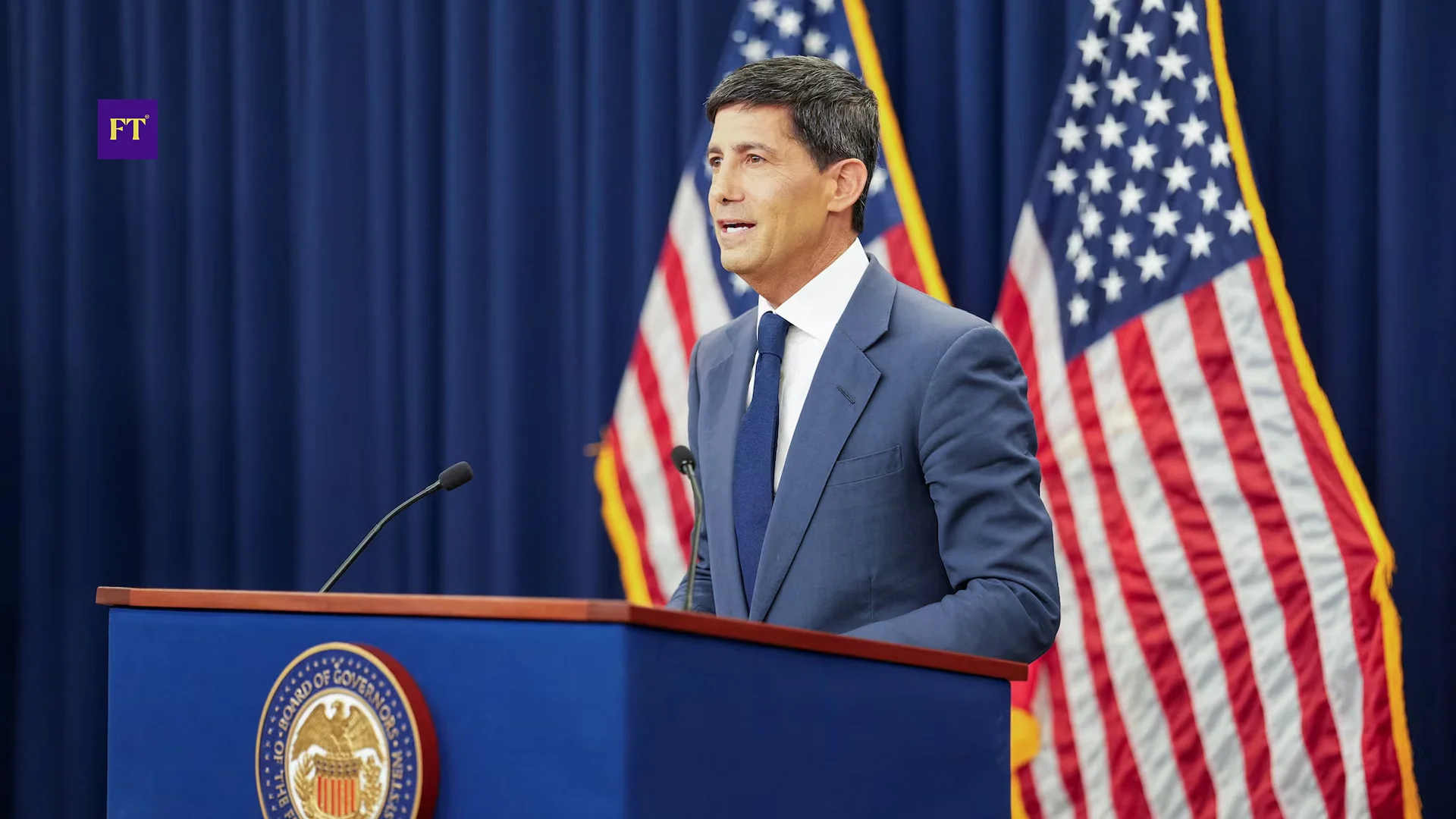
Fed Rate Hike Could Raise Borrowing Costs for U.S. Consumers
A quarter-point increase could raise borrowing costs for households with variable-rate debt while giving savers higher interest earnings.
By
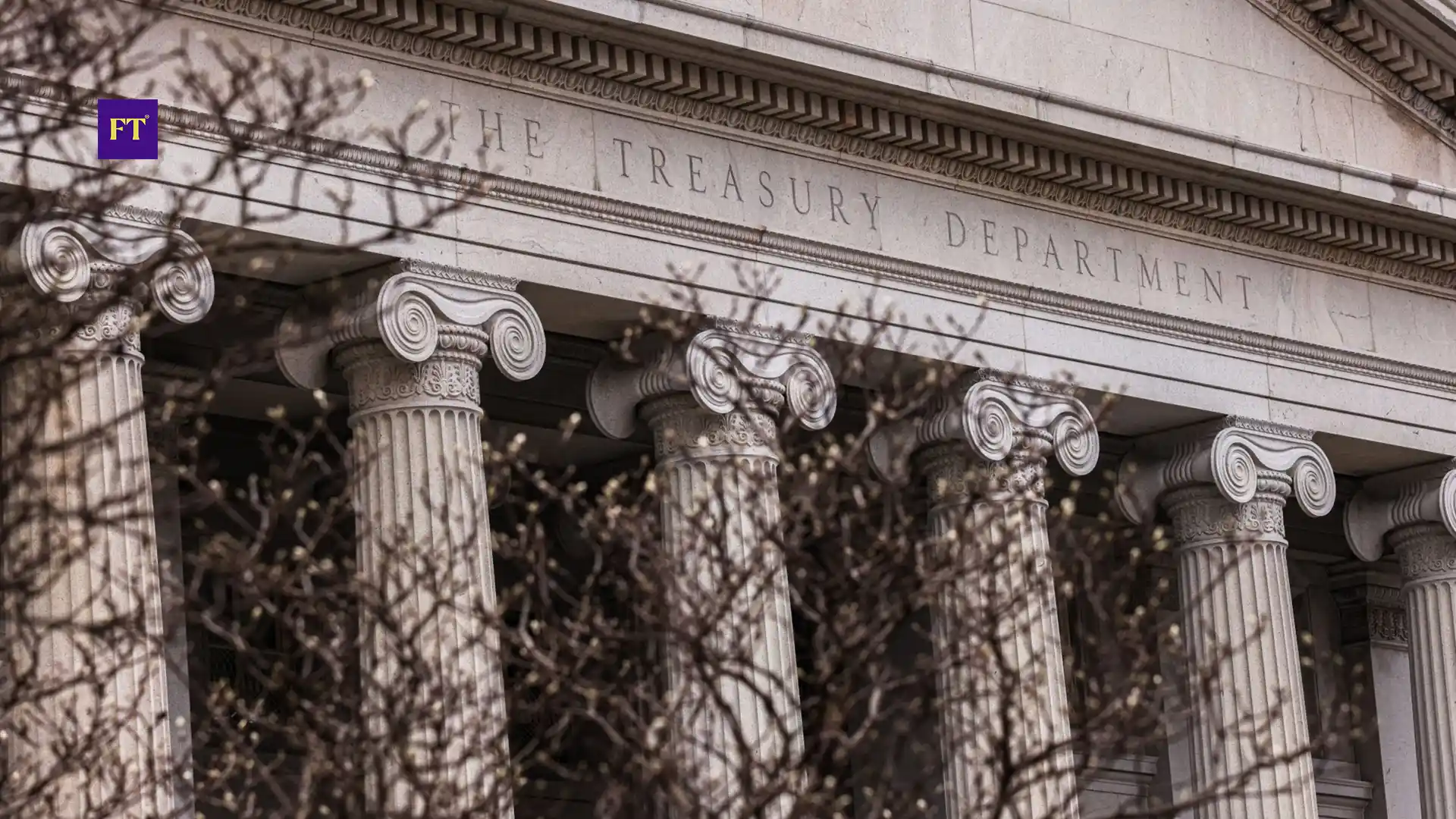
Treasury Screens a Large Volume of Federal Payments to Identify and Prevent Fraud
The department continues to transform how the federal government protects taxpayer dollars by using better data, stronger controls, and advanced technology to stop fraud and improper payments before money goes out the door.
By