
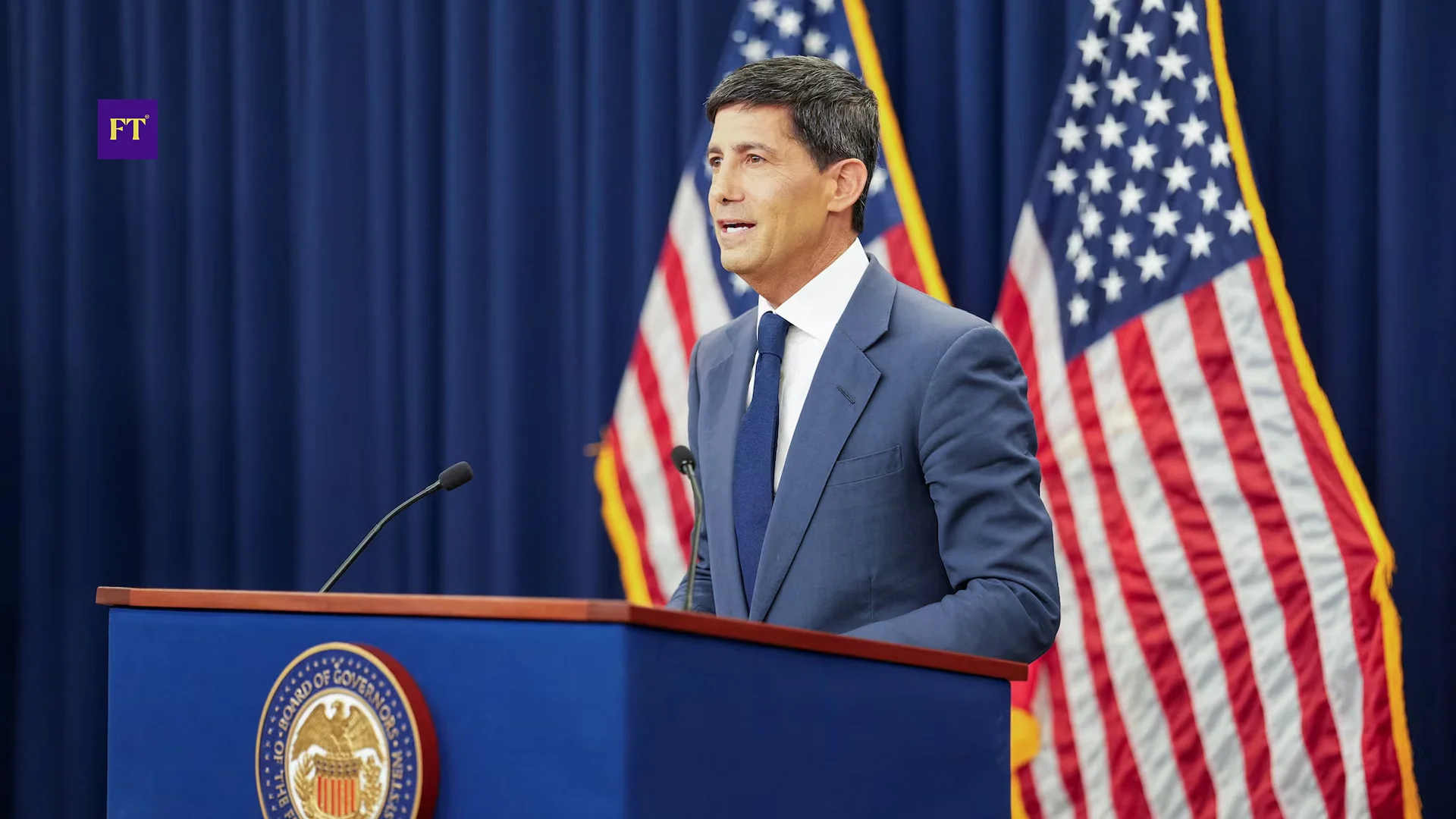
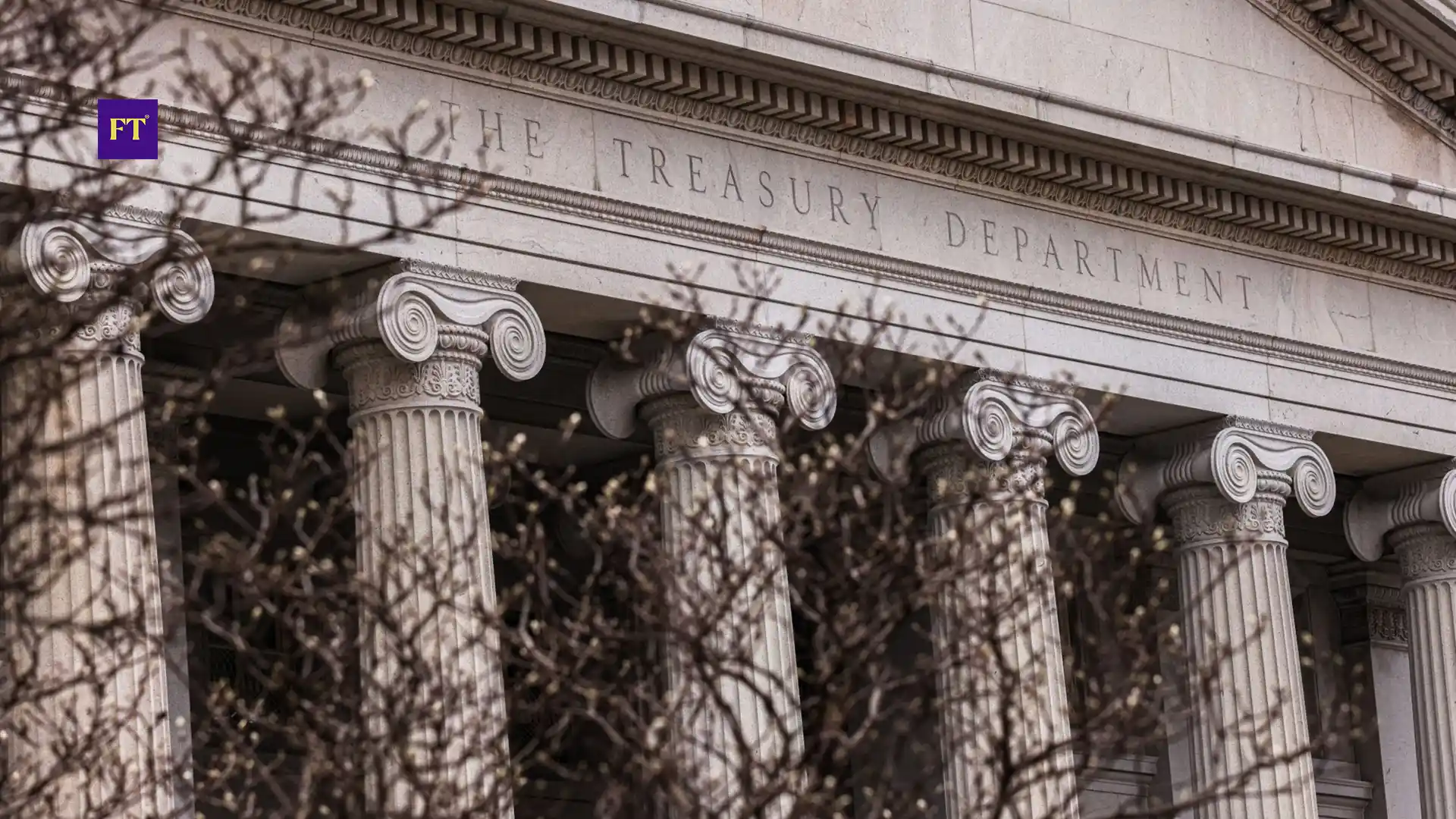
 Photo by FT
Photo credit: Pexels
- The Federal Reserve is expected to raise its benchmark rate by 25 basis points as inflation remains above the central bank’s 2% target.
- Credit cards, new auto loans, variable-rate student loans, HELOCs and adjustable-rate mortgages could carry higher borrowing costs after a rate increase.
- Higher rates can lead banks to raise yields on savings accounts, CDs and other deposit products, giving savers the potential to earn more interest.
WASHINGTON, Sept. 15, 2026 — The Federal Reserve is expected to raise its benchmark federal funds rate by 25 basis points on Wednesday as policymakers respond to inflation that remains above the central bank’s 2% target. Financial markets have widely anticipated a quarter-point increase ahead of the Federal Open Market Committee’s decision.
The expected rate increase comes after the Consumer Price Index rose 0.4% in August, with consumer prices 3.4% higher than a year earlier, according to the U.S. Bureau of Labor Statistics. Gasoline prices rose 3.9% during the month and accounted for more than one-third of the monthly increase in the overall CPI.
Credit Card Debt
Credit card borrowers could pay more interest after a Fed rate increase. Most credit cards have variable annual percentage rates linked to the prime rate, which generally moves with the federal funds rate. When the prime rate increases, credit card issuers generally raise variable APRs. Consumers who carry unpaid balances from one billing cycle to the next would therefore pay more interest on those balances.
New auto loans could also carry higher interest rates after a Fed increase, although existing fixed-rate auto loans would not change. A WalletHub analysis cited by CNBC estimated that the average rate on a 48-month new-car loan could increase by about 12 basis points in the months after a 25-basis-point Fed increase. Private student loans with variable interest rates tied to the prime rate or other benchmarks could also become more expensive, while federal student loans generally have fixed rates for the life of each loan.

Photo credit: Pexels
Home Loans
A Fed rate increase does not automatically raise the interest rate on a 30-year fixed mortgage. Mortgage rates are influenced mainly by longer-term Treasury yields, inflation expectations and demand for mortgage-backed securities. The 10-year Treasury yield reached 5.041% on Tuesday, its highest level since 2007, according to Reuters.
Adjustable-rate mortgages and home equity lines of credit have a more direct connection to short-term interest rates. HELOC rates can change when the prime rate changes, while many adjustable-rate mortgages reset after an initial fixed-rate period. The average 30-year fixed mortgage rate reached 7.02% on Sept. 16, according to Bankrate data cited by The Wall Street Journal.
Savings Accounts
Higher federal funds rates can lead banks to offer higher interest rates on savings accounts, certificates of deposit and other deposit products. Banks do not always raise deposit rates by the same amount as a Fed rate increase, and some banks can change their rates later than others. Consumers can therefore earn different amounts of interest depending on the bank and account they choose.
Fed Chairman Kevin Warsh has said inflation remains above the central bank’s 2% target, while President Donald Trump has called for lower interest rates. For households, the financial effect depends on the type of debt they carry and the amount of money they keep in interest-bearing accounts. Consumers with variable-rate debt could pay more interest, while consumers with savings accounts could earn more if their banks raise deposit rates.
A Fed rate increase does not automatically raise the interest rate on a 30-year fixed mortgage. Mortgage rates are influenced mainly by longer-term Treasury yields, inflation expectations and demand for mortgage-backed securities. The 10-year Treasury yield reached 5.041% on Tuesday, its highest level since 2007.
Related Topics
Chime Rolls Out Financial Education Series on Trump Accounts
Chime breaks down contribution limits, withdrawal conditions, and tax treatment variations depending on usage and eligibility, helping users distinguish between general savings accounts and purpose-specific instruments.
By
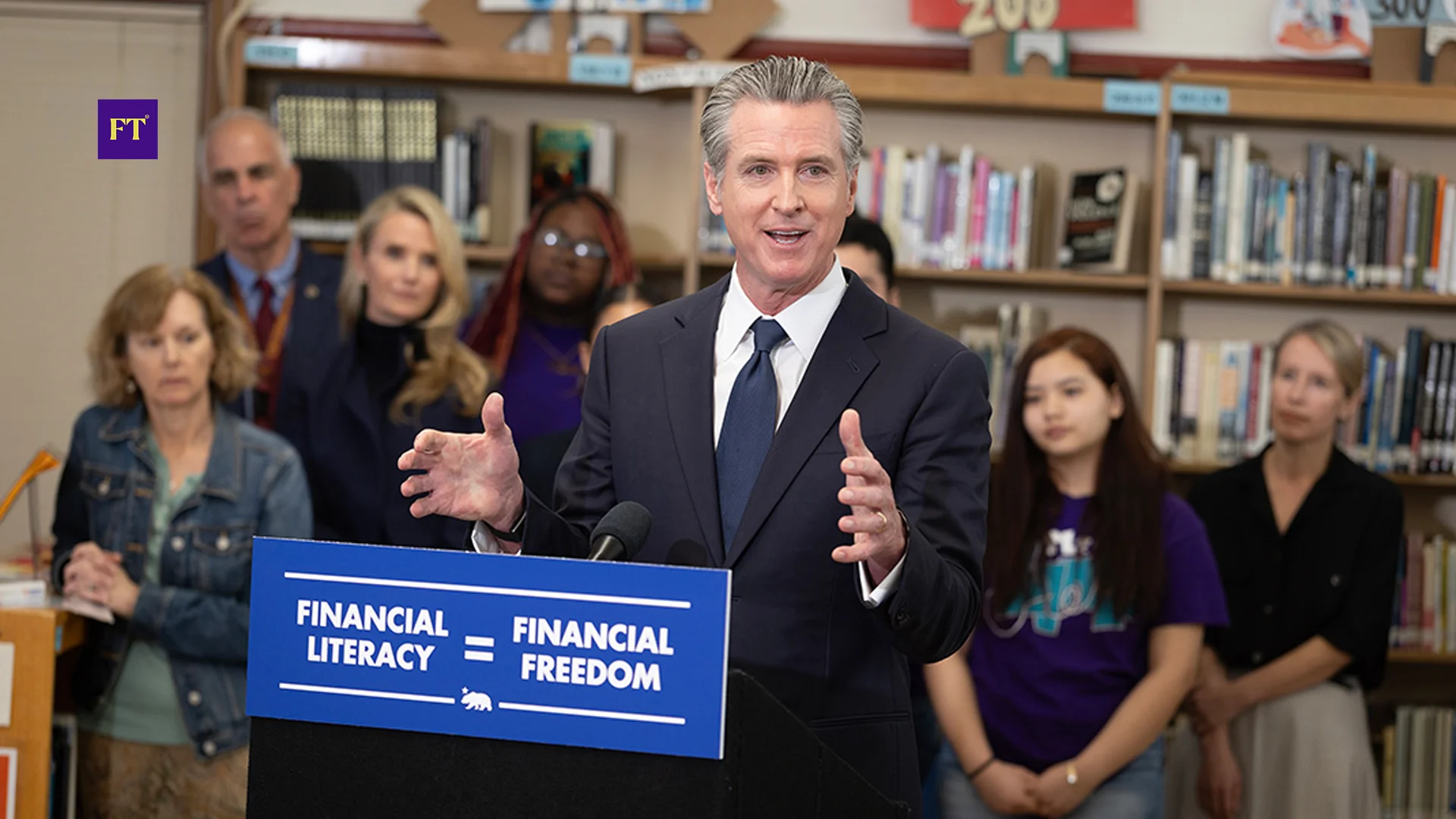
California Makes Financial Literacy a High School Requirement
The requirement calls for a one-semester course to be in place by fall 2027. Students will study 13 areas of personal finance, covering subjects that can influence their finances long after graduation.
By
All Pennsylvania Schools Will Be Required to Implement a Mandatory Personal Finance Course: PDE
The state’s new mandate gives students a foundation in money management, credit, borrowing, and other financial matters before they leave high school.
By
Treasury Screens a Large Volume of Federal Payments to Identify and Prevent Fraud
The department continues to transform how the federal government protects taxpayer dollars by using better data, stronger controls, and advanced technology to stop fraud and improper payments before money goes out the door.
By