
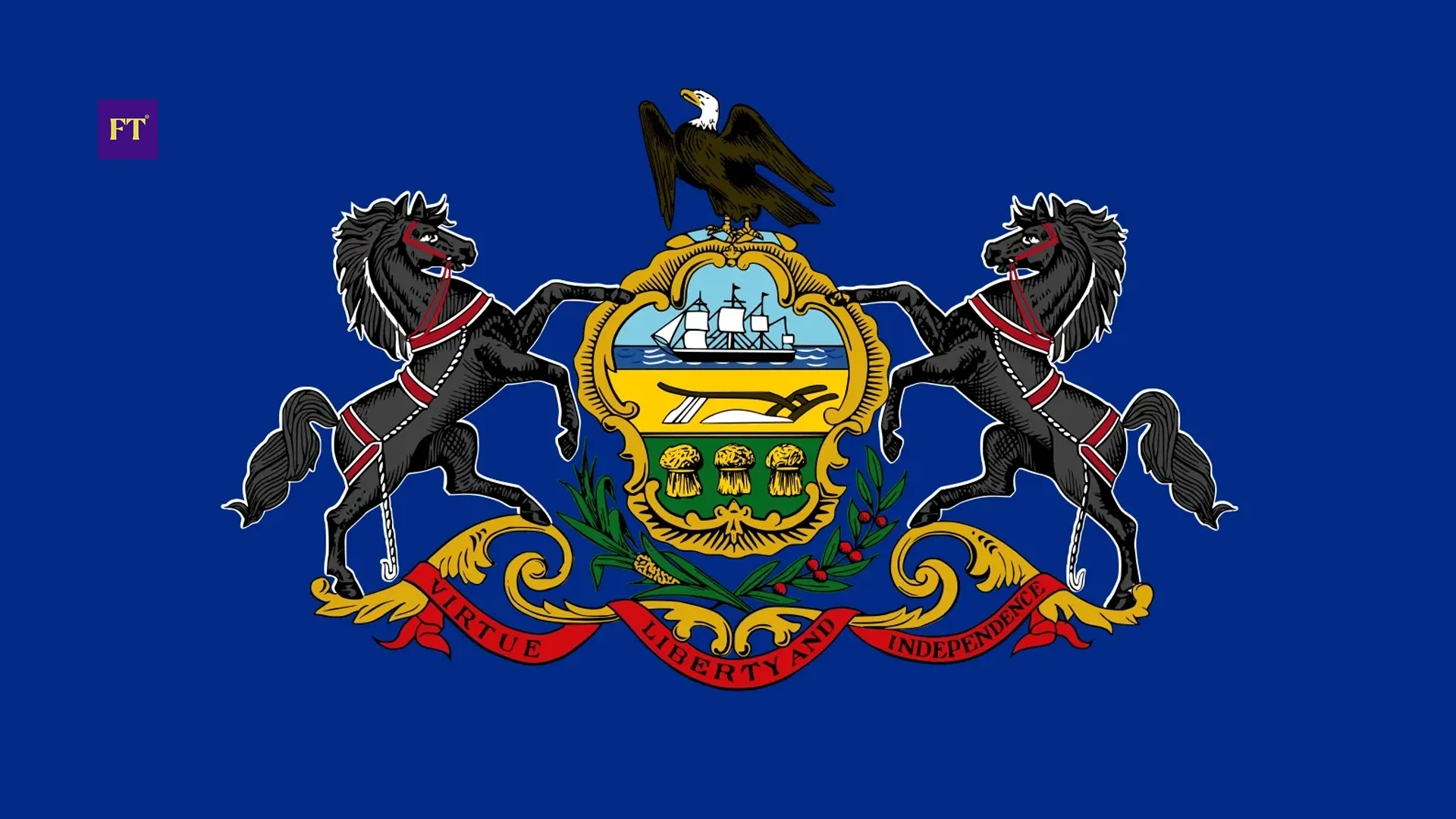
 Photo by FT
Photo credit: PDE
- Students will study mortgages, vehicle loans, credit scores, and budgeting.
- Annamaria Lusardi considers high school an ideal time to provide financial education.
- She says students who receive financial education are more likely to repay loans, have higher FICO scores, and be less likely to default on debt.
HARRISBURG, Pa., August 25, 2026 — Pennsylvania is introducing financial literacy as a required component of high school education. Under the new requirement, students must complete a half-credit standalone financial literacy course to graduate, with the curriculum covering nine areas of personal finance and economic life. The Pennsylvania Department of Education, or PDE, states that “all Pennsylvania schools will be required to implement a mandatory personal finance course” beginning with the 2026-27 school year.
School leaders have welcomed the requirement as an important addition to traditional academic subjects. Ken Kerchenske, superintendent of Cambria Heights School District, noted that students often hear that “the main things are reading, writing, and math,” but financial literacy offers knowledge that can remain relevant throughout adult life. “This is something that will stick with any student going forward in life,” he said.
Understanding Money and Credit
The curriculum covers financial decisions students may face soon after leaving school, including money management, budgeting, mortgages, vehicle loans and credit scores. Students will also learn about different forms of work, including business ownership, self-employment and gig work.
Brad Hatch, superintendent of Altoona Area School District, described financial management as “a life skill, life function to be able to manage your finances.” He noted that many students soon leave home and begin living independently, making it important for them to understand household expenses, borrowing, credit and income before those responsibilities become part of everyday life.

Photo credit: PDE
What the Research Shows
Financial literacy has also received support from economists and researchers. Annamaria Lusardi, a Stanford professor and leading financial literacy researcher, describes financial literacy as “a basic skill, a skill that allows us to understand the world around us.” She also considers high school an appropriate stage for this education because students are already developing knowledge across numerous subjects.
Research cited by Lusardi has found differences between students who receive financial education and those who do not. Students who take financial literacy courses are more likely to repay student and other loans, have higher FICO scores, and be less likely to default on certain forms of debt. Lusardi said, “High school is an ideal time indeed to provide this education,” underscoring the value of introducing these subjects before students assume greater financial responsibilities.
Financial Education for Adult Life
The requirement comes as educators seek to give students greater preparation for the financial responsibilities that accompany adulthood. Housing, transportation, credit, loans, savings and income can all become part of a young person’s financial life shortly after graduation, while entrepreneurship and gig work can introduce additional considerations.
Educators supporting the requirement believe students should have the opportunity to learn about these subjects before they are responsible for making major financial decisions themselves. As Hatch put it, the instruction can help students make “good decisions with the money that they make” and put themselves in a position to support themselves and their families throughout their lives.
The curriculum covers financial decisions students may face soon after leaving school, including money management, budgeting, mortgages, vehicle loans and credit scores. Students will also learn about different forms of work, including business ownership, self-employment and gig work.
Related Topics

Chime Rolls Out Financial Education Series on Trump Accounts
Chime breaks down contribution limits, withdrawal conditions, and tax treatment variations depending on usage and eligibility, helping users distinguish between general savings accounts and purpose-specific instruments.
By
California Makes Financial Literacy a High School Requirement
The requirement calls for a one-semester course to be in place by fall 2027. Students will study 13 areas of personal finance, covering subjects that can influence their finances long after graduation.
By
Fed Rate Hike Could Raise Borrowing Costs for U.S. Consumers
A quarter-point increase could raise borrowing costs for households with variable-rate debt while giving savers higher interest earnings.
By
Treasury Screens a Large Volume of Federal Payments to Identify and Prevent Fraud
The department continues to transform how the federal government protects taxpayer dollars by using better data, stronger controls, and advanced technology to stop fraud and improper payments before money goes out the door.
By