
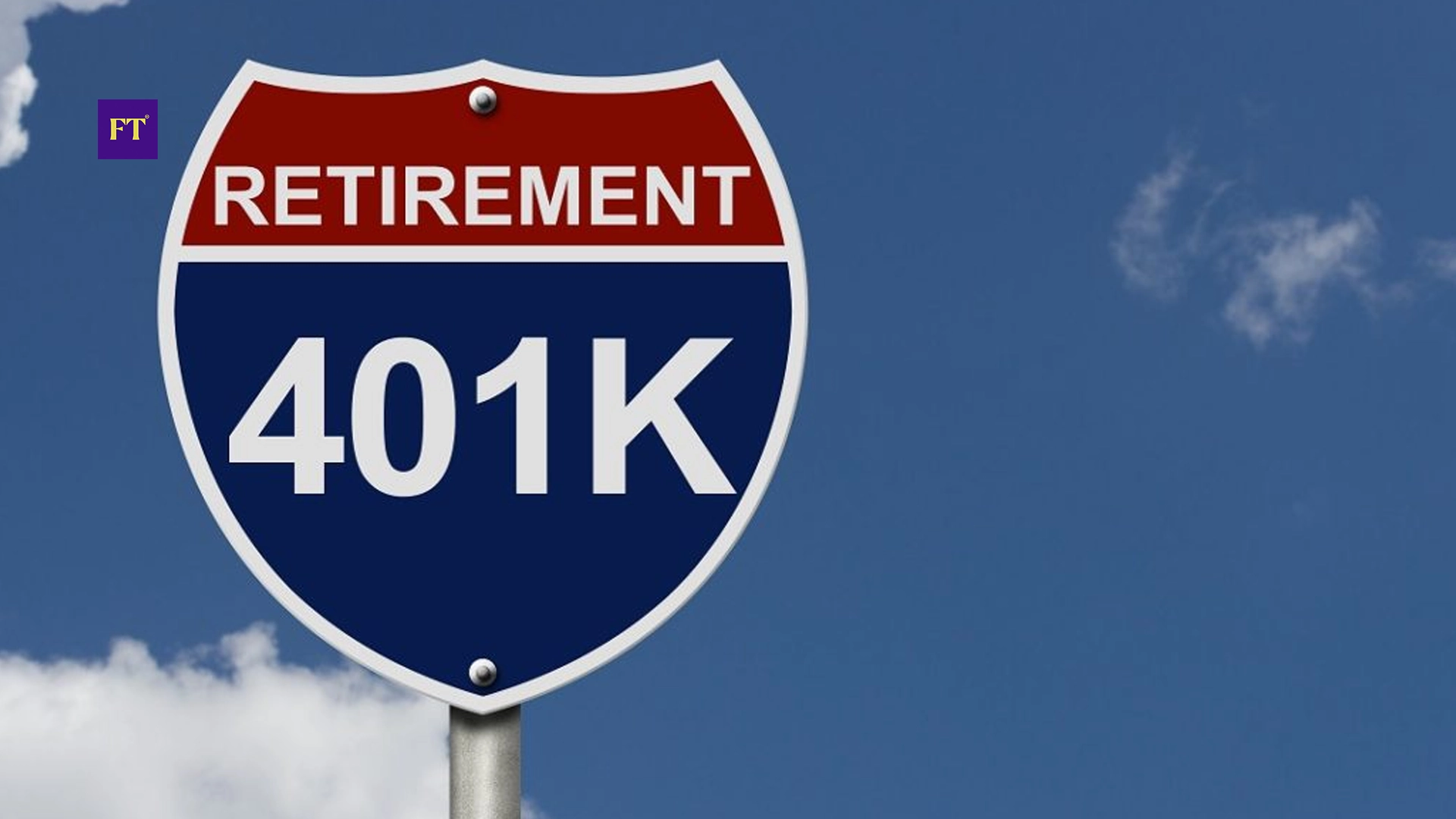
 Photo by FT
Photo credit: Pexels
- Millions of Americans have left retirement savings in former employers’ 401(k) plans, with 31.9 million forgotten accounts holding an estimated $2.1 trillion as of July 2025.
- Former employees can locate forgotten 401(k) accounts by contacting previous employers, asking former colleagues, searching the U.S. Department of Labor’s Form 5500 database, or contacting retirement plan providers.
- Reviewing old 401(k) accounts can help account holders identify fees and evaluate rollover options, including transferring savings to a new employer-sponsored plan or an individual retirement account (IRA).
WASHINGTON, Nov. 2, 2026 — Millions of Americans leave retirement savings in former employers’ 401(k) plans when they change jobs. Workers may intend to transfer the money into a new employer-sponsored plan or an individual retirement account (IRA), but some lose track of their accounts after leaving a job.
The Great Resignation, which began during the pandemic, added to the number of workers changing jobs and leaving retirement accounts behind. According to Capitalize, approximately 31.9 million forgotten 401(k) accounts held $2.1 trillion in retirement savings as of July 2025. The average balance in a left-behind account reached $66,691, up 18% from May 2023.
“A missing or lost 401(k) is a common occurrence with my clients,” said Jay Zigmont, founder of Childfree Wealth in Mount Juliet, Tennessee, in an email.
Zigmont routinely encourages clients to transfer their 401(k) savings into a new employer’s retirement plan or an IRA when they change jobs.
“I’ve had clients who searched for months and still did not find their 401(k),” Zigmont said.
An Outdated Transfer Process
Transferring money between financial institutions can often be completed online, but 401(k) rollovers still require substantial paperwork and direct contact with plan administrators. The process can involve phone calls, mailed forms, and details such as the new account custodian's mailing address.
These requirements can make it difficult for workers accustomed to completing financial transactions online. Former employees who suspect they have retirement savings in an old employer’s plan can take several steps to locate the account.
Contact Former Employers
A former employer’s human resources or benefits department is a useful starting point. Staff members may identify the retirement plan administrator and provide contact information.
“Even if the business was sold, merged or closed, there may still be records of your participation in the plan,” said Lisa Cummings, an attorney at Cummings & Cummings Law in Bonita Springs, Florida, in an email.
The former employer may provide the plan administrator's name and contact information or explain whether another provider now manages the retirement funds, she added.
“If the company no longer exists, try searching online for news about mergers or acquisitions to find out which company might have taken over the plan,” Cummings said.
Ask Former Colleagues
A former coworker may know which financial institution manages the retirement plan. Zigmont recommends contacting someone who still works at the former employer to find out where the company holds its 401(k) accounts.
“If you have a colleague who is still at your old employer, they may be able to tell you quickly where the company holds their 401(k),” he said.
However, employers sometimes transfer their retirement plans to different providers. In that case, former employees may need to identify the new provider before accessing their accounts.
“Once you know where your 401(k) is, the easiest thing is often just to try logging in or creating a new account on the site. It does not always work, but when it does, it makes everything else easier,” he said.
Search Federal Records
Former employees who know their previous employer's name but cannot identify its retirement plan administrator can search the U.S. Department of Labor's Form 5500 database.
“Employers who offer retirement plans must file Form 5500 with the Department of Labor each year,” Cummings said. “This form lists key details about the plan, including the name and address of the plan administrator.”
The free database provides access to retirement plan filings, which can identify the plan administrator and provide contact details.
Zigmont also said some of his clients have used Beagle to locate old 401(k) accounts.
“While Beagle would prefer you move your assets to them, you can use the list of accounts that they found as a starting place,” he said. “Their system often finds old accounts that are closed, but it gives you places to try.”
Contact Plan Providers
Old pay stubs, retirement benefit enrollment documents, annual 401(k) or pension statements, and emails from a former employer may identify the financial institution that managed the retirement plan.
“This could be a large financial services provider such as Fidelity, Vanguard, Alight, Voya or Empower,” Cummings said.
After identifying the provider, former employees can call to ask whether the institution still holds their account and what steps are required to regain access.
“Once you have the name, call them and provide your personal information to confirm whether they still have your account and how you can regain access,” she said. “The recordkeeping company will need you to verify your identity before they provide information to you to safeguard your account.”

Photo credit: Pexels
Review Rollover Options
Once they locate an old 401(k), account holders can review whether to leave the money in the former employer's plan, transfer it to a new employer-sponsored plan or move it into an IRA.
“When clients locate their old 401(k) accounts, I help review the full range of options available to them,” said Christine Lam, a certified financial planner at Financial Investment Team in Portland, Oregon. "This includes evaluating plan fees, investment choices, potential tax consequences, and how each option fits into their broader financial goals."
Lam said transferring the money into a new employer-sponsored plan or an existing IRA is among the most common choices. The decision depends on plan fees, investment options, tax consequences and the account holder's retirement goals.
Review Small Balances
The rules governing a retirement plan also determine what happens to accounts with small balances. Lam said clients sometimes receive statements or notices showing that money remains in a former employer's plan.
“Generally, if those balances are under $1,000, the employer has the option to automatically close the 401(k) and issue a check to the participant,” she said.
“When balances are between $1,000 and $7,000, the employer may roll over the balance to an IRA. These mandates are governed by the plan, and each 401(k) can have different rules,” Lam added.
Under safe harbor provisions, employers may transfer certain former employees' small account balances into an IRA. These accounts may carry monthly or annual asset-based fees. Their default investments may also be more conservative than an investor's retirement goals and time horizon warrant.
Reviewing old 401(k) accounts allows former employees to identify where their retirement savings are held, check applicable fees, and decide whether to leave the money in the existing plan or transfer it to another retirement account.
Once you know where your 401(k) is, the easiest thing is often just to try logging in or creating a new account on the site. It does not always work, but when it does, it makes everything else easier.
Note: This article is adapted from a report originally published by U.S. News & World Report.
Related Topics

How Americans Should Prepare for Retirement
Starting early and contributing consistently is the most effective way to build retirement savings. Compounding growth over decades can significantly increase the value of contributions.
By

401k Charity Rules Make Retirement Donations Less Direct Than Expected
Donor-advised funds allow contributors to take a tax deduction at the time of contribution, then recommend grants to charities over time. This separates the tax event from the charitable distribution and gives donors more control over timing.
By

America’s Financial Literacy Divide is Redrawing the Boundaries of Retirement Security
At a national level, uncertainty around retirement remains widespread. More than two-thirds of adults express doubt about their ability to retire securely. While wider economic factors contribute to this concern, the data show that financial knowledge has a direct bearing on retirement preparedness.
By
How Workers Can Use a 401(k) and IRA to Build Retirement Savings
Workers without access to a workplace 401(k) can make tax-deductible contributions to a traditional IRA regardless of income.
By