
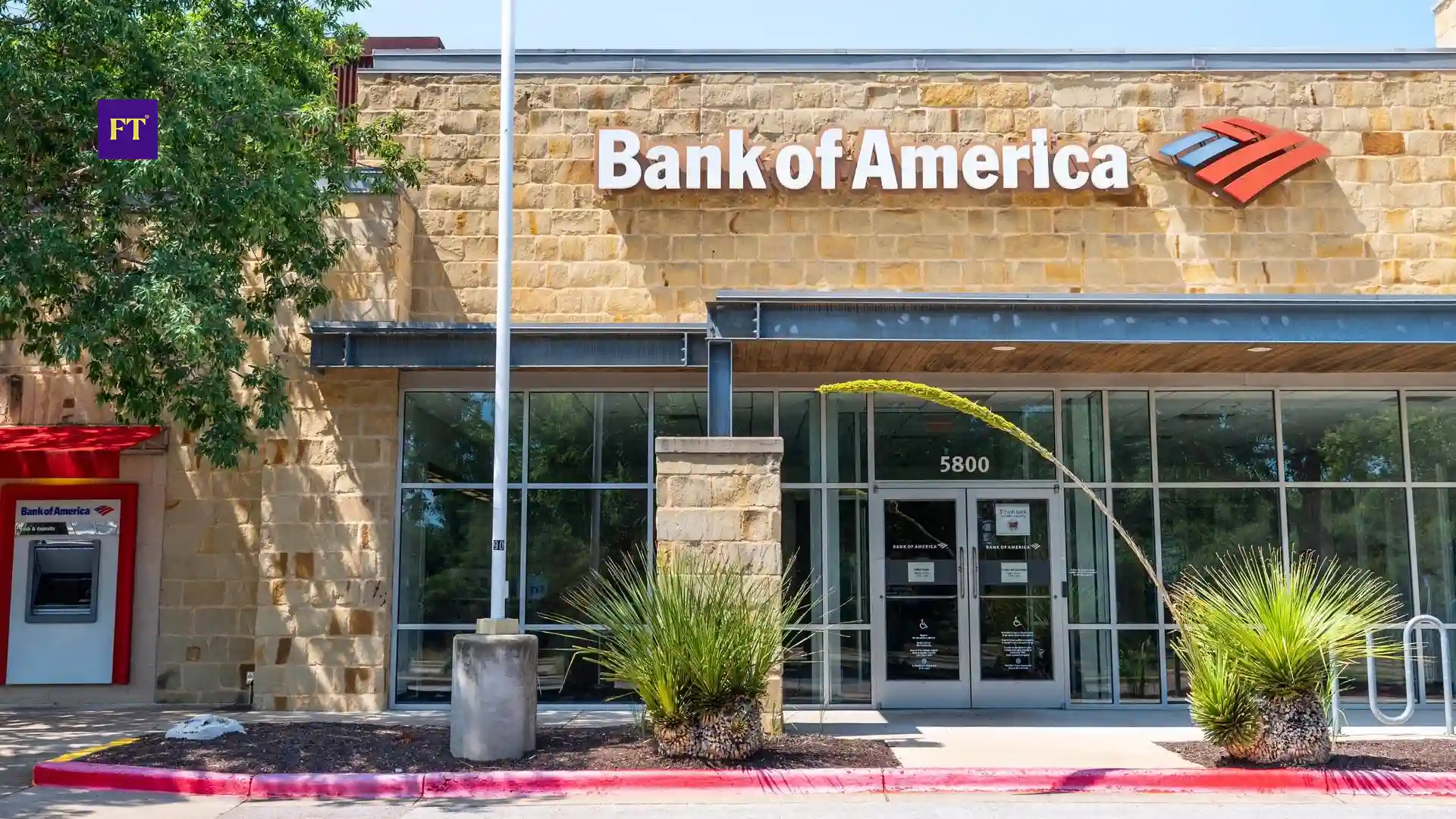
 Photo by FT
Photo credit: BoA
- Large and regional banks offer small businesses checking accounts, credit cards, payment services, and lending products through branch-based banking.
- Credit unions offer business banking and financing to eligible members, with membership requirements varying by institution.
- Fintech companies offer online banking, payment services, business cards, and financial tools, including multi-currency services for businesses with international transactions.
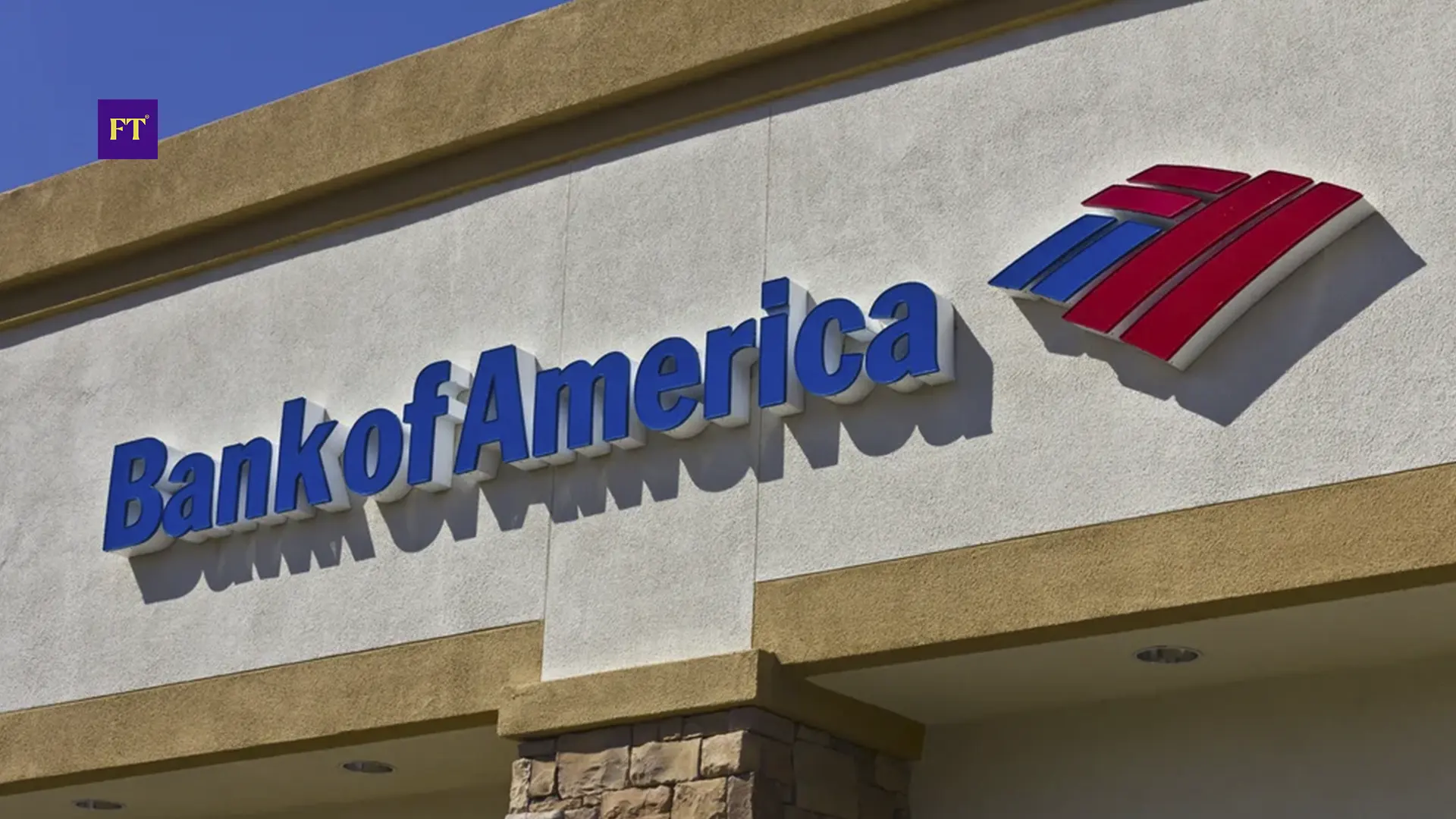
NEW YORK, Sept. 22, 2026 — Large U.S. banks offer small businesses checking accounts, savings accounts, credit cards, payment services and business loans. JPMorgan Chase and Bank of America are among the banks with small-business banking products. Chase operates more than 5,000 branches and 14,000 ATMs across the U.S., giving businesses that deposit cash or use in-person banking access to physical locations.
Business checking accounts differ in monthly fees, minimum balance requirements, transaction limits, cash-deposit allowances and wire-transfer fees. Banks also offer business credit cards, lines of credit and small-business loans. Eligibility requirements, interest rates, fees and repayment terms vary by bank and financial product.
Why Regional Banks Matter to Small Businesses
Regional banks serve businesses within specific states and geographic areas. Columbia Bank, for example, operates branches across several Western states and offers business checking accounts, savings accounts, credit cards and loans. The bank also offers loans through Small Business Administration and U.S. Department of Agriculture programs.
Businesses that deposit cash or use in-person banking can access those services through regional bank branches. Regional banks differ in geographic coverage, account fees, transaction limits and loan products. Businesses within a regional bank's service area can use the institution for branch-based banking and business lending.
Where Credit Unions Fit
Credit unions offer business checking accounts, savings accounts, credit cards and loans to members who meet the institution's eligibility requirements. America First Credit Union, for example, offers business checking and savings accounts, business credit cards, equipment loans and lines of credit. The credit union also participates in the SBA 7(a) lending program.
Membership requirements vary among credit unions. Eligibility can depend on where an applicant lives or works, an employer affiliation, or another requirement established by the institution. Business owners must meet the applicable membership requirements before opening an account or applying for a loan.

Photo credit: BoA
The Role of Fintechs in Small Business Banking
Fintech companies offer online business accounts, payment services, business cards, expense-management tools and accounting integrations. Airwallex, Bluevine, Mercury and Novo are examples of fintech providers serving businesses. Airwallex offers multi-currency accounts and international payment services but operates as a financial technology company rather than a bank.
Online providers offer banking and payment services through digital platforms rather than branch networks. Services and fees vary by provider, including transaction charges, payment capabilities, accounting integrations, card programs, and credit products. Providers that offer multi-currency accounts and international transfers also serve businesses that send or receive payments in multiple currencies.
Regional banks serve businesses within specific states and geographic areas. Columbia Bank, for example, operates branches across several Western states and offers business checking accounts, savings accounts, credit cards, and loans.
Related Topics
How Modern Banking and Payments are Changing Everyday Finance
From digital apps to online transfers, everyday banking is becoming faster, easier, and more accessible for everyone.
By
Paystack Reorganizes as It Expands Beyond Payments
The company handles transactions for over 300,000 merchants, many of whom have requested access to credit and other financial products.
By
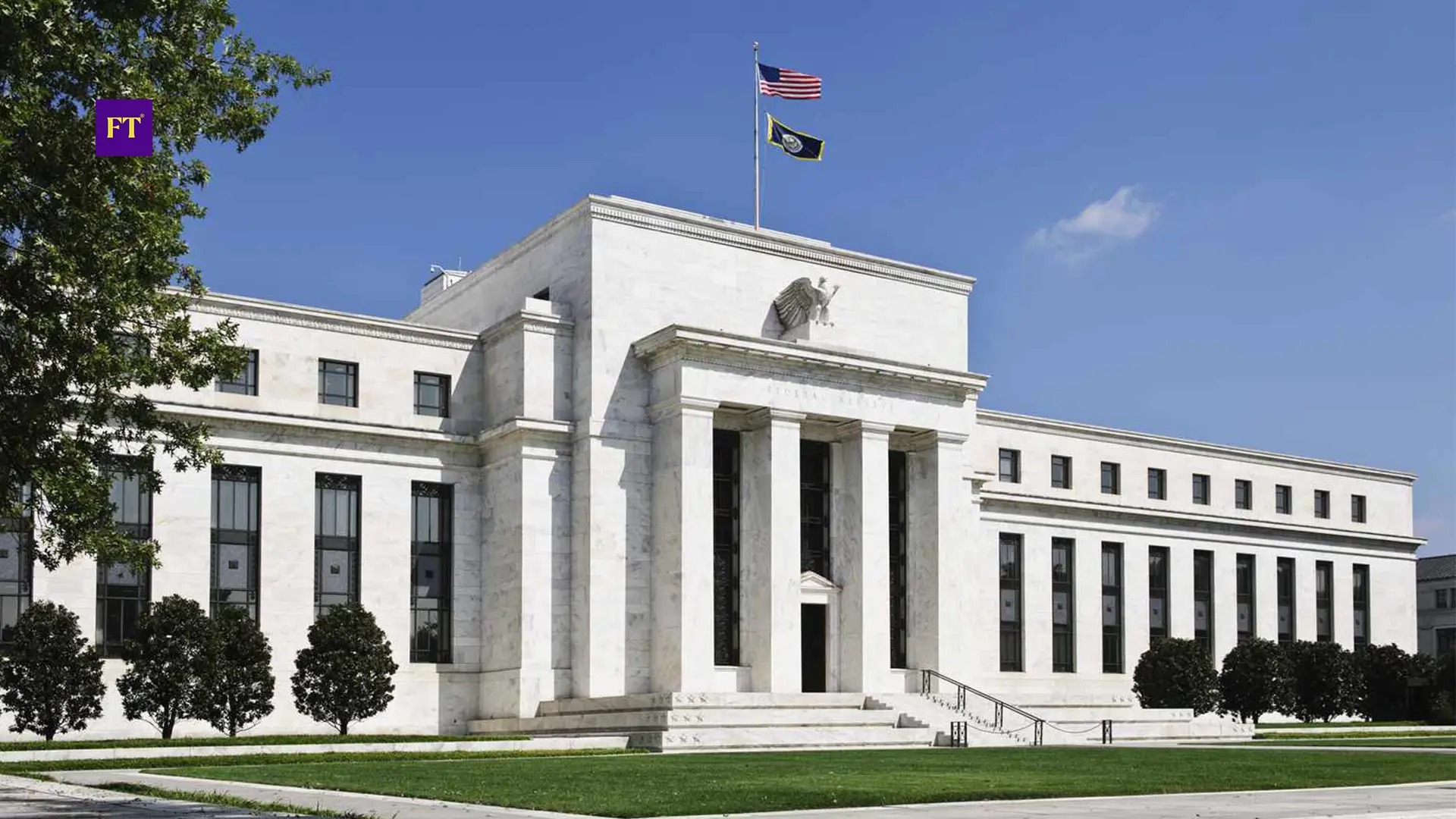
How the Federal Reserve Keeps U.S. Payments Moving
Reserve Banks act as a bank for other banks, offering services that allow financial institutions to operate efficiently. They distribute coins and notes, collect deposits, and return unpaid checks. By handling these transactions, the Federal Reserve helps banks provide services to their customers, including cash withdrawals, payroll deposits, and routine payments.
By
Bank of America to Host Thousands of Scam Education Sessions to Help Public Recognize Fraud Attempts
Bank of America will review impersonation scams where criminals pose as representatives of banks, government agencies, or trusted companies. These scams often request sensitive information such as account details, passwords, or verification codes.
By