
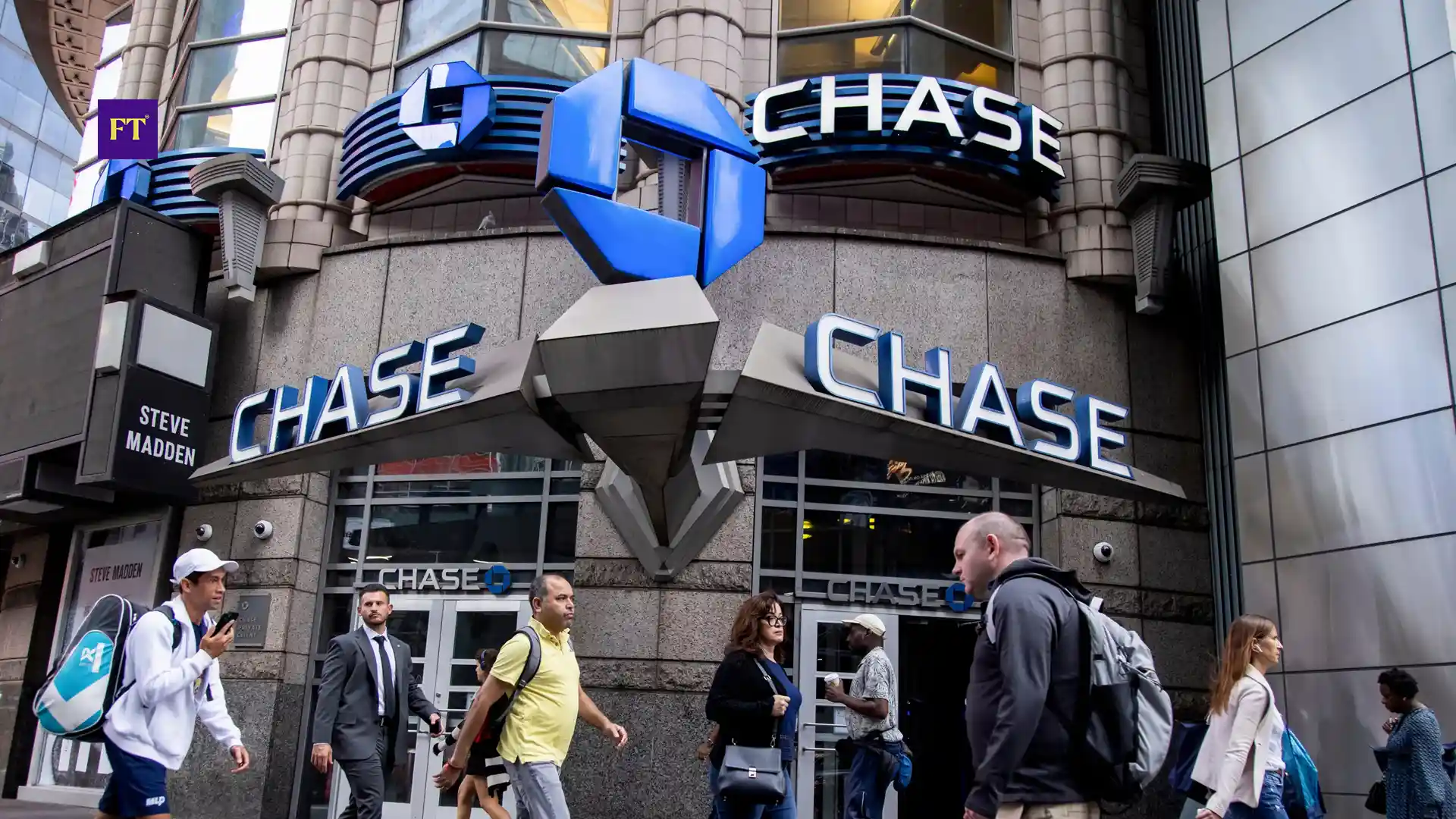
 Photo by FT
Photo credit: Pexels
- A software bug in JPMorgan Chase’s internal hardware system disrupted transaction processing, delaying payments between the bank and other financial institutions.
- Customers across six major U.S. banks reported service problems, while some Zelle users experienced payment delays despite the network operating normally.
- Chase restored normal transaction processing by approximately 6:30 p.m. EST on November 16 but did not disclose the faulty software component or the precise cause of the bug.
NEW YORK, Nov. 19, 2026 — A software bug in JPMorgan Chase’s internal, on-premises hardware system disrupted payment processing on November 16, delaying transactions between the bank and other financial institutions. Thousands of customers across the United States reported problems with online banking, money transfers and payments. Chase described the incident as a temporary software issue and ruled out a cyber-related cause.
The bug disrupted Chase’s ability to process transactions with other banks. Payments that depended on Chase’s processing systems took longer than usual, causing delays for customers at financial institutions whose own services were operating normally. Customers reported difficulty signing in to online accounts, checking balances, transferring funds and completing payments.
Customers of JPMorgan Chase, Bank of America, Wells Fargo, U.S. Bank, Truist and Capital One reported service problems. Some users also experienced delays with Zelle payments. Reports to Downdetector, an outage-tracking service, peaked at approximately 2 p.m. Eastern Standard Time before declining later that day.
What Happened Inside Chase’s Systems
JPMorgan Chase traced the disruption to a software bug in an internal, on-premises hardware system. Bank spokesperson Joe Evangelisti described it as a temporary software issue and ruled out a cyberattack. The bank did not identify the faulty software component or explain the programming error behind the malfunction.
The bug interfered with Chase’s transaction-processing operations, slowing payments between the bank and other financial institutions. These transactions require banks to process payment instructions and exchange information before funds reach their intended recipients. Delays in Chase’s processing therefore held up some payments passing between the bank and other institutions.
Chase did not disclose which part of its hardware or software infrastructure malfunctioned, whether the problem affected a particular payment application or what triggered the error. The available information establishes that a software bug disrupted transaction processing, but not the precise technical sequence that caused the delays.
Problems Extend Beyond Chase
Customers of JPMorgan Chase, Bank of America, Wells Fargo, U.S. Bank, Truist and Capital One reported problems on November 16. Complaints included difficulty signing in to online accounts, checking balances and completing payments and transfers.
However, the reports did not mean that all six banks had experienced failures in their own systems. Chase confirmed the software problem, while U.S. Bank said its systems were not directly affected. Capital One and Truist also reported that their services were operating normally.
Customers of other banks nevertheless experienced payment delays when sending or receiving money through Chase. A processing fault at one financial institution can delay transactions for customers of other banks, even when their own institutions’ systems are operating normally.
Chase Bug Affects Zelle Payments
Some customers also reported delays when sending and receiving money through Zelle, the peer-to-peer payment network offered through participating banks and credit unions. The reports coincided with the Chase disruption, although Zelle's operator said the network itself was functioning normally.
Zelle is operated by Early Warning Services, an Arizona-based company owned by a group of financial institutions, including Bank of America, Capital One, JPMorgan Chase, PNC Bank, Truist, U.S. Bank and Wells Fargo. Customers use the service through their participating financial institutions to send and receive money.
A bank’s processing problem can delay Zelle transfers even when the payment network is operating normally. U.S. Bank said its systems were not directly affected but warned that customers sending or receiving Zelle payments with other financial institutions could experience delays.

Photo credit: Pexels
Chase Resumes Normal Operations
JPMorgan Chase reported that transactions were processing normally again at approximately 6:30 p.m. Eastern Standard Time on November 16, following several hours of customer complaints about online banking access and delayed payments.
The restoration of normal processing did not establish that every delayed payment had reached its recipient. Customers awaiting transfers still needed to check their account activity to confirm whether the transactions had been completed.
Although Chase restored normal transaction processing, the bank did not release a technical explanation of the malfunction. The specific software component, programming error, and reason for the failure remain undisclosed.
JPMorgan Chase traced the disruption to a software bug in an internal, on-premises hardware system. Bank spokesperson Joe Evangelisti described it as a temporary software issue and ruled out a cyberattack. The bank did not identify the faulty software component or explain the programming error behind the malfunction.
Related Topics
How Modern Banking and Payments are Changing Everyday Finance
From digital apps to online transfers, everyday banking is becoming faster, easier, and more accessible for everyone.
By
Paystack Reorganizes as It Expands Beyond Payments
The company handles transactions for over 300,000 merchants, many of whom have requested access to credit and other financial products.
By
How the Federal Reserve Keeps U.S. Payments Moving
Reserve Banks act as a bank for other banks, offering services that allow financial institutions to operate efficiently. They distribute coins and notes, collect deposits, and return unpaid checks. By handling these transactions, the Federal Reserve helps banks provide services to their customers, including cash withdrawals, payroll deposits, and routine payments.
By
Bank of America to Host Thousands of Scam Education Sessions to Help Public Recognize Fraud Attempts
Bank of America will review impersonation scams where criminals pose as representatives of banks, government agencies, or trusted companies. These scams often request sensitive information such as account details, passwords, or verification codes.
By